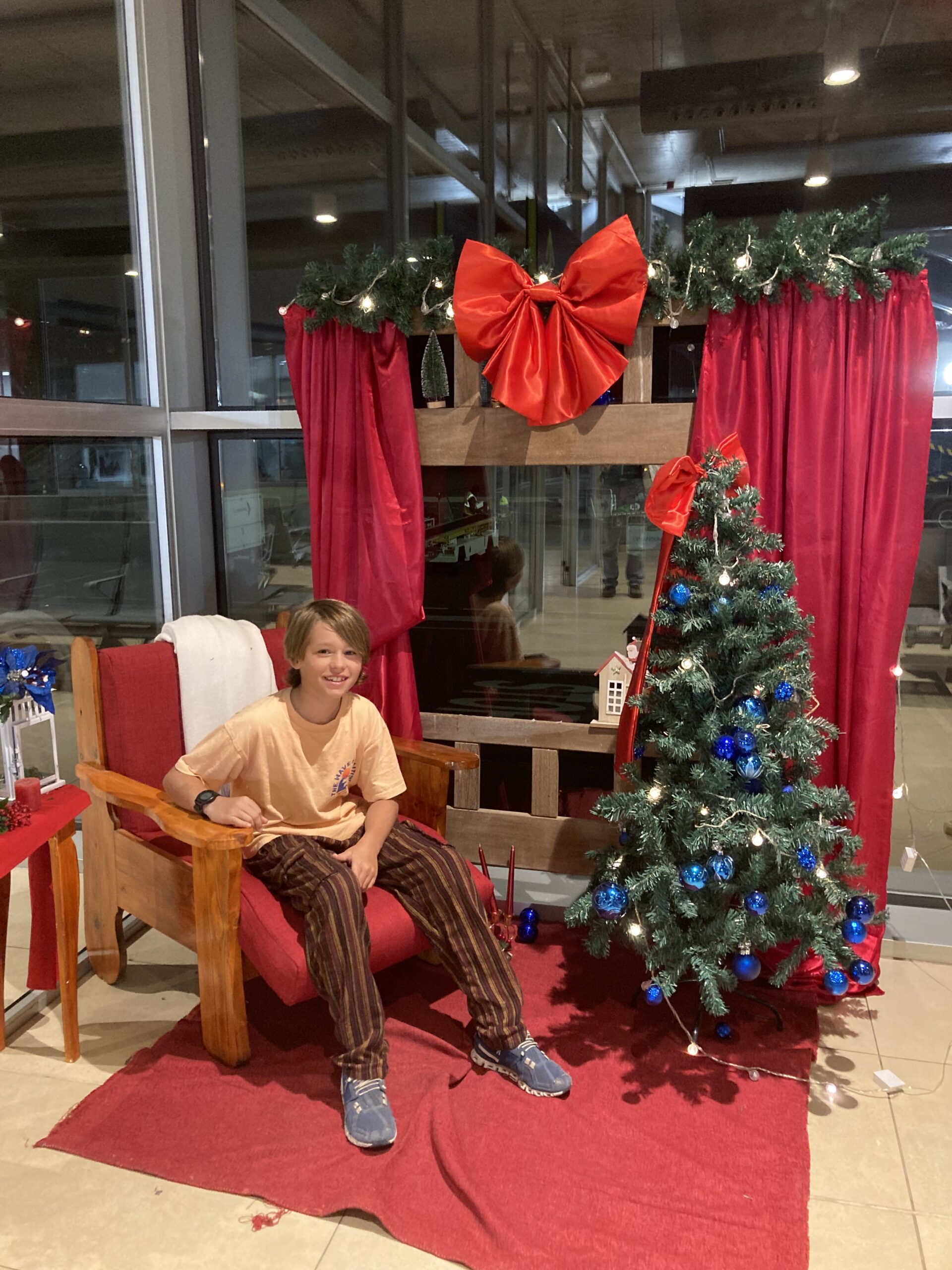
Wir haben wieder Land unter den Füssen – diesmal afrikanischen Boden. Das ist wie immer gleichzeitig faszinierend und doch auch vertraut, zumindest für uns Erwachsene. Die Atmosphäre, die Häuser, der Geruch: Alles erinnert uns stark an unsere lange Afrikareise und an die vielen Orte, die wir auf diesem Kontinent bereits besucht haben. Leider gehören auch hier die Müllberge dazu, die nicht zuletzt durch den starken Tourismus auf der Insel entstehen.
Der erste Eindruck der Kapverden ist eine fast wüstenähnliche Landschaft. Und ja: Sal liegt in der Sahelzone – das sieht und spürt man sofort. Die Insel ist vulkanischen Ursprungs und wurde über lange Zeit durch unablässige Winde und extreme Trockenheit zu einer kargen, zähen Landschaft geformt. Es wächst hier so gut wie nichts.
Sehr lange war die Insel unbewohnt. Erst mit dem Salzabbau im 18. Jahrhundert lassen sich Menschen hier nieder. Später dient Sal als Zwischenstation für Kohle und danach für Flüge Richtung Südamerika. Heute lebt die Insel fast ausschliesslich vom Tourismus, besonders in den Wintermonaten.
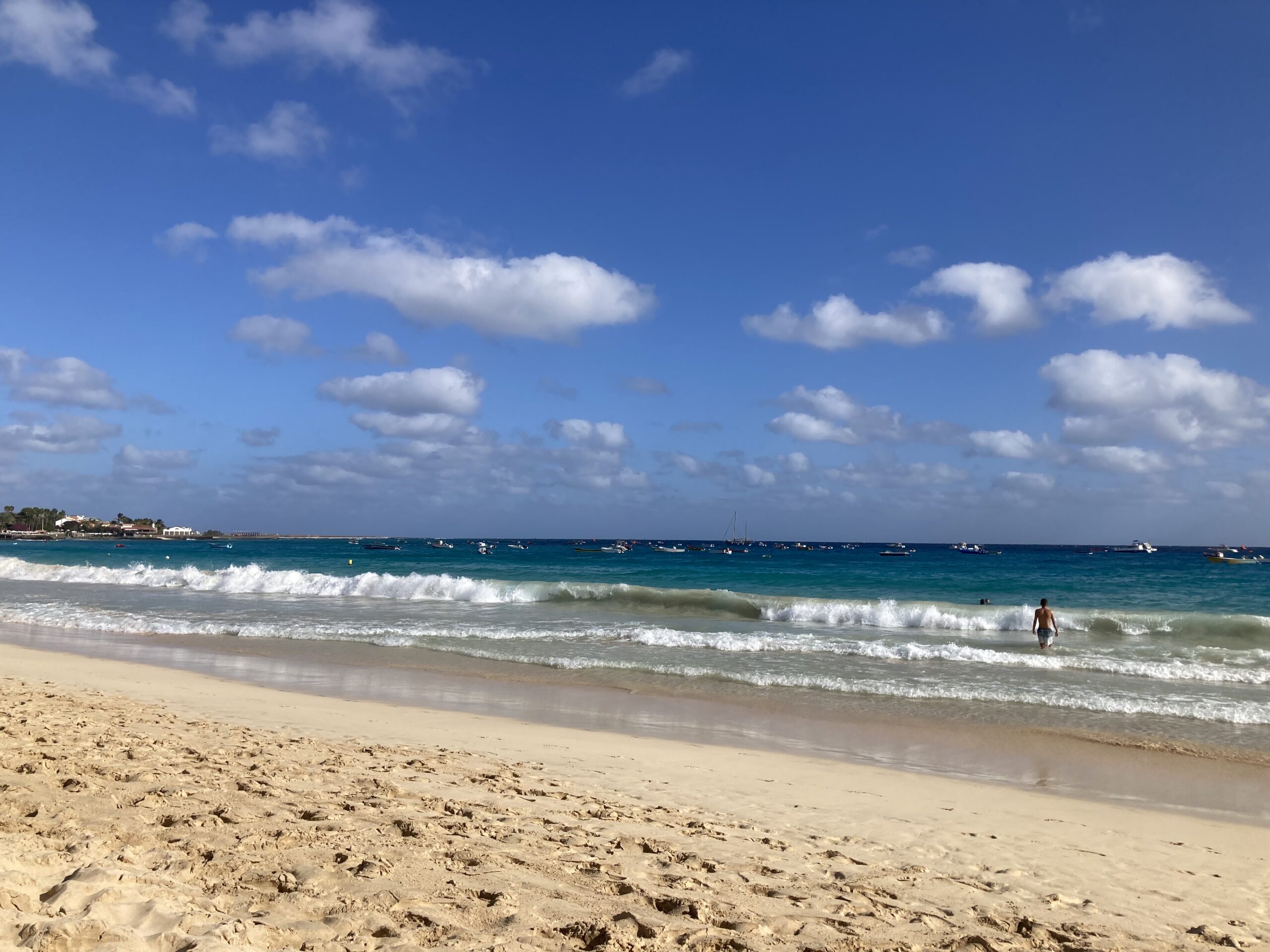
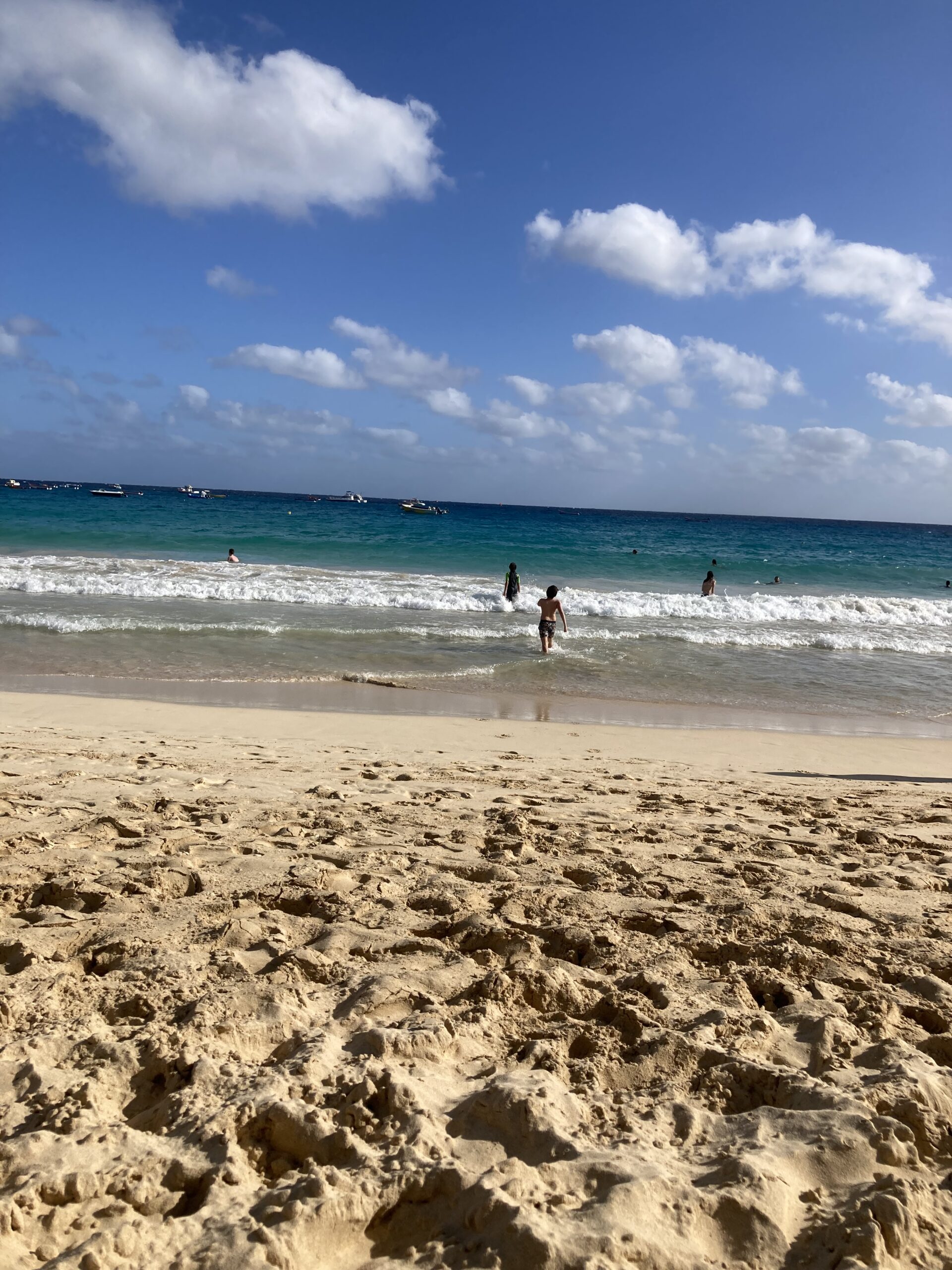
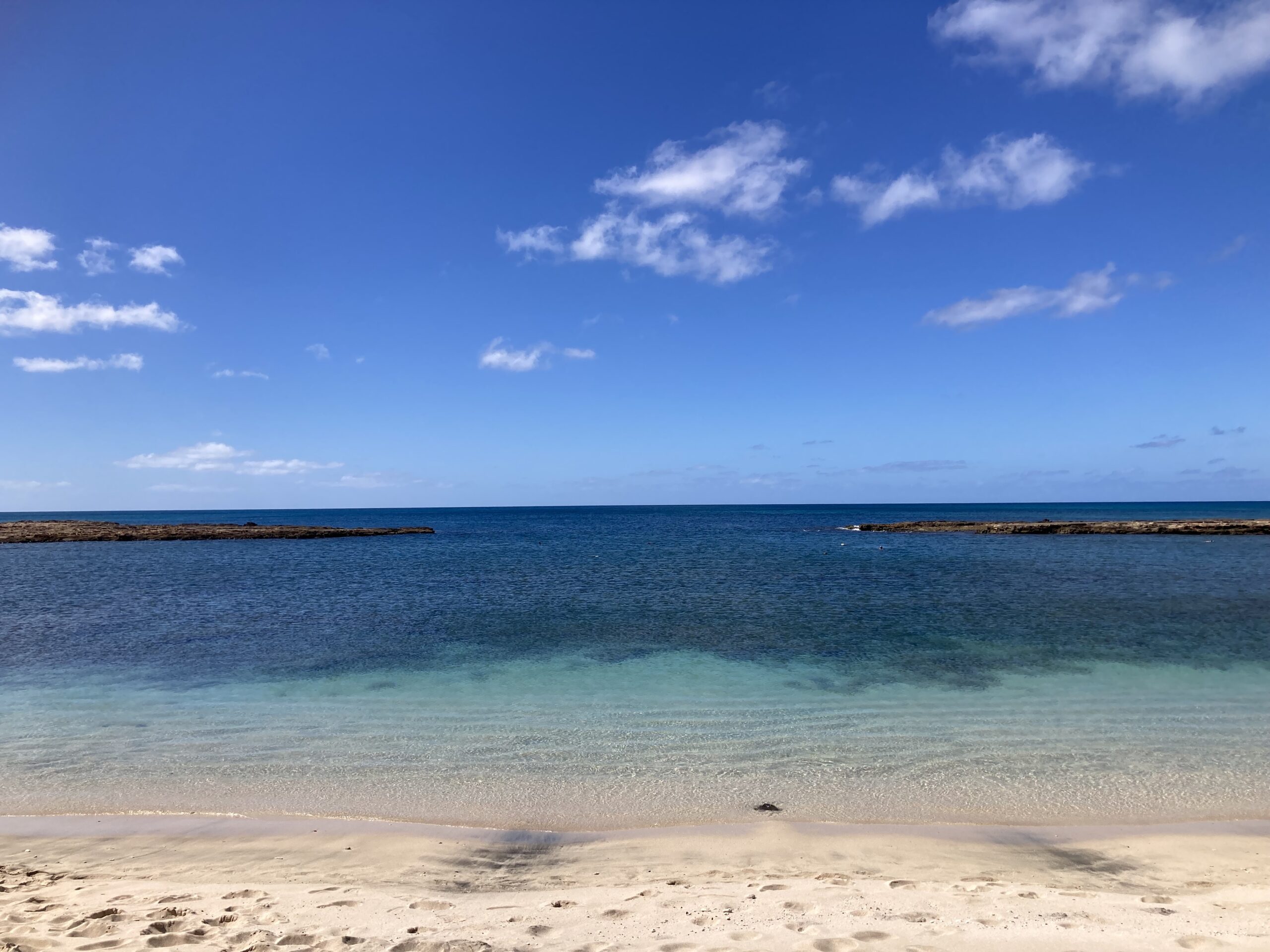
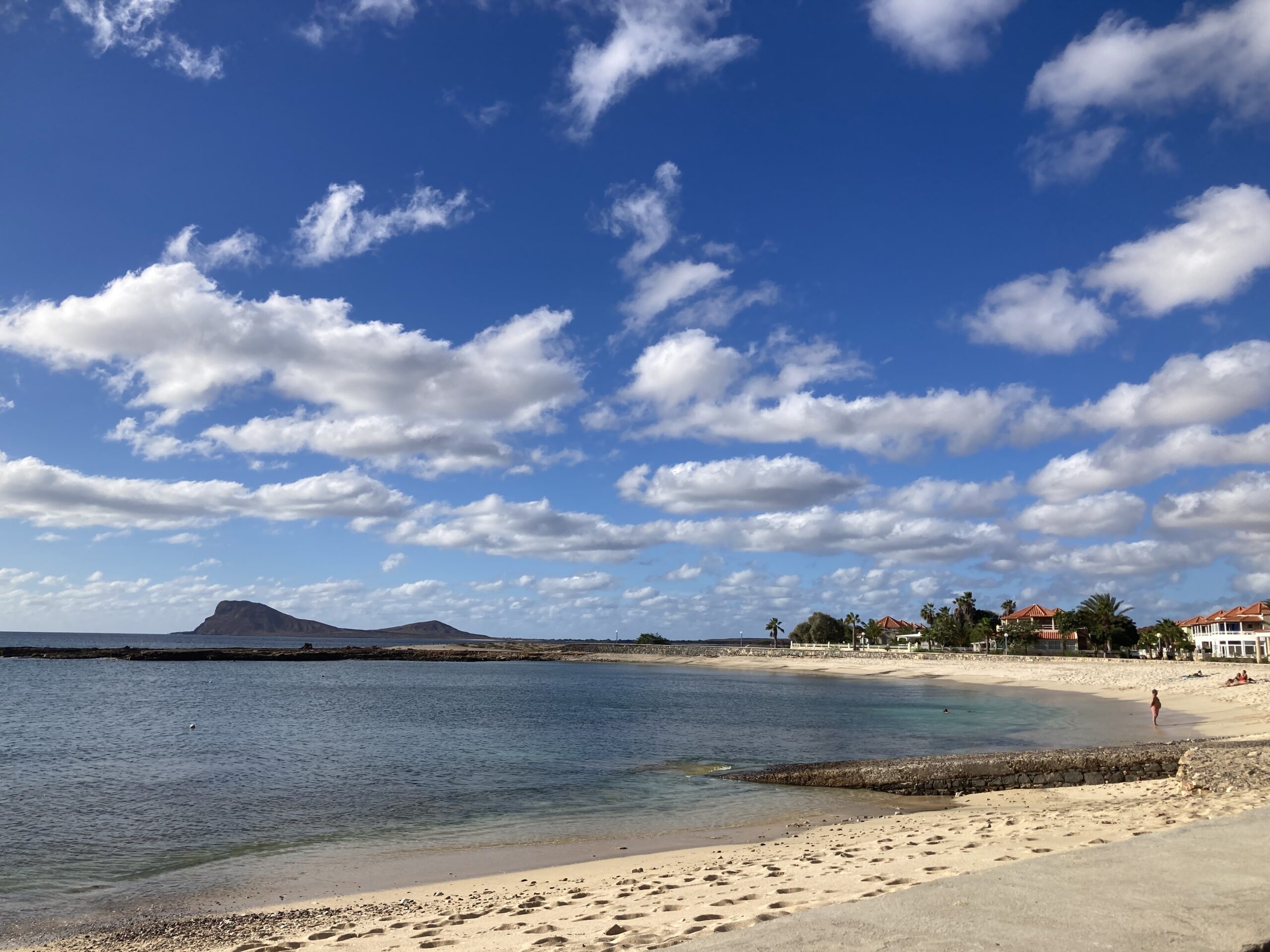
Entsprechend ist alles ziemlich teuer, und zur Weihnachtszeit herrscht Hochsaison. Eine Unterkunft zu finden ist schwierig, Zimmer und Wohnungen sind rar. Trotzdem geniessen wir es sehr, wieder festen Boden unter den Füssen zu haben. Die Strände sind phänomenal schön: türkisfarbenes Wasser, weite Horizonte. In weniger touristischen Gegenden sind die Buchten fast menschenleer.
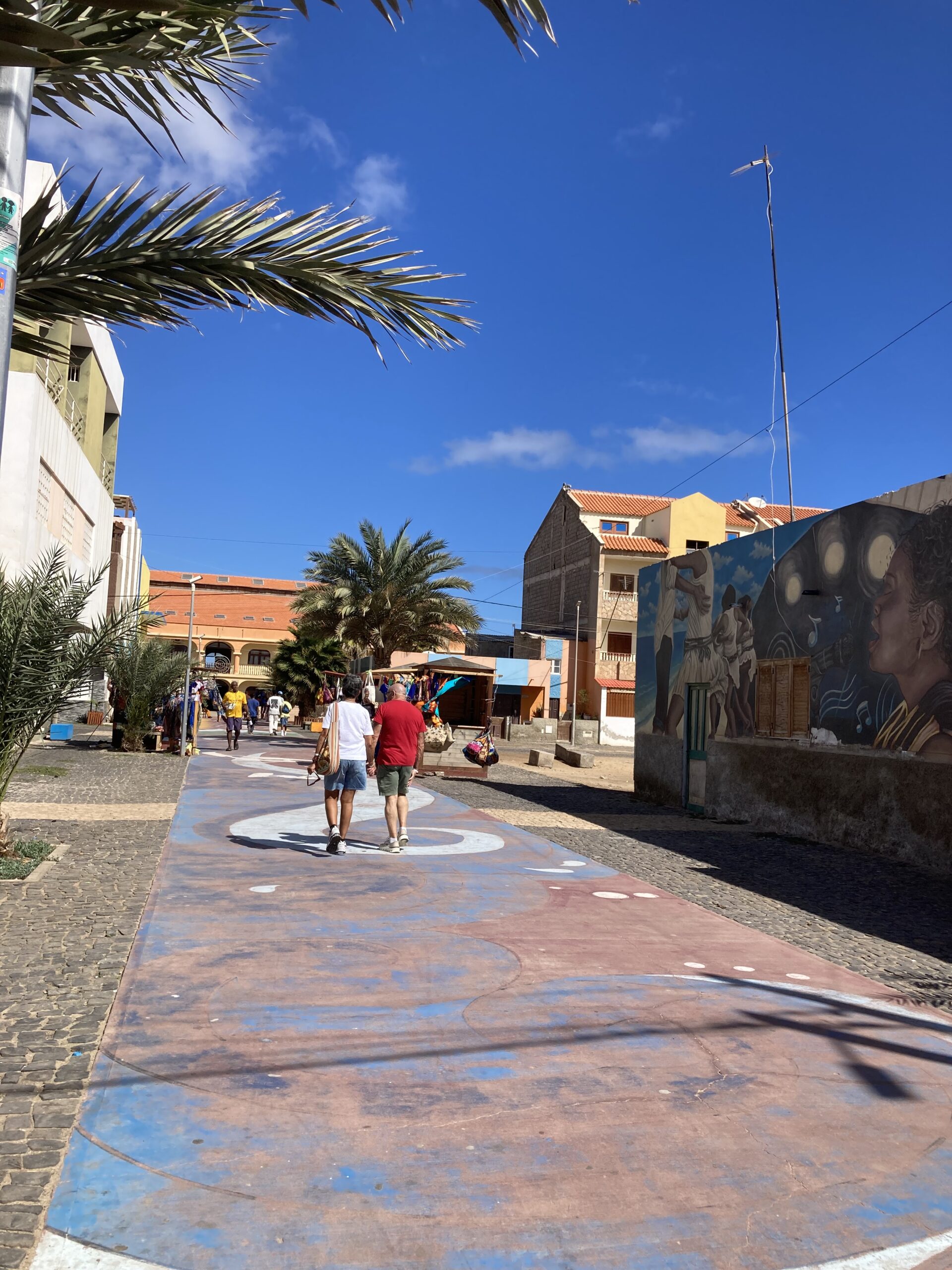
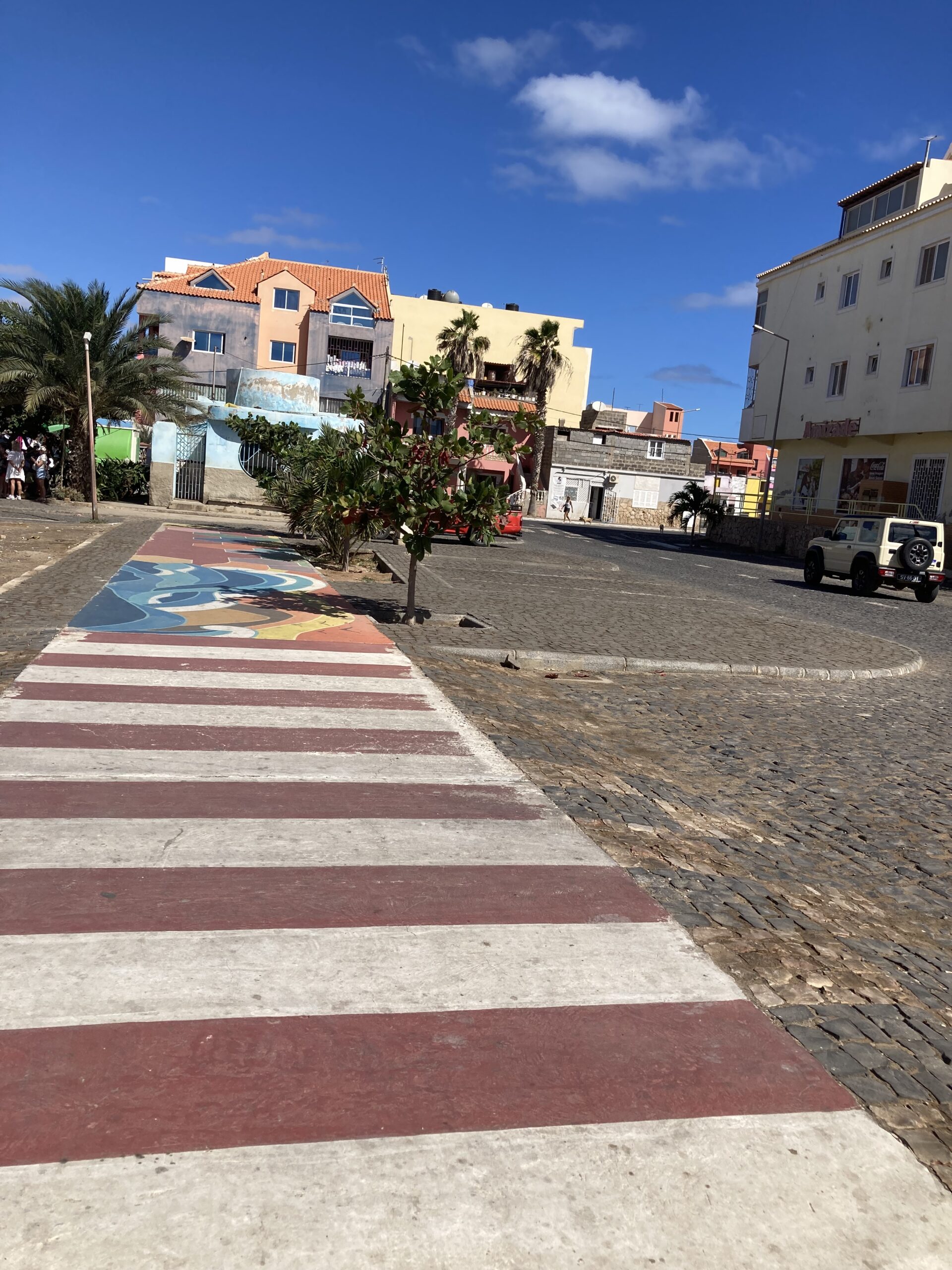
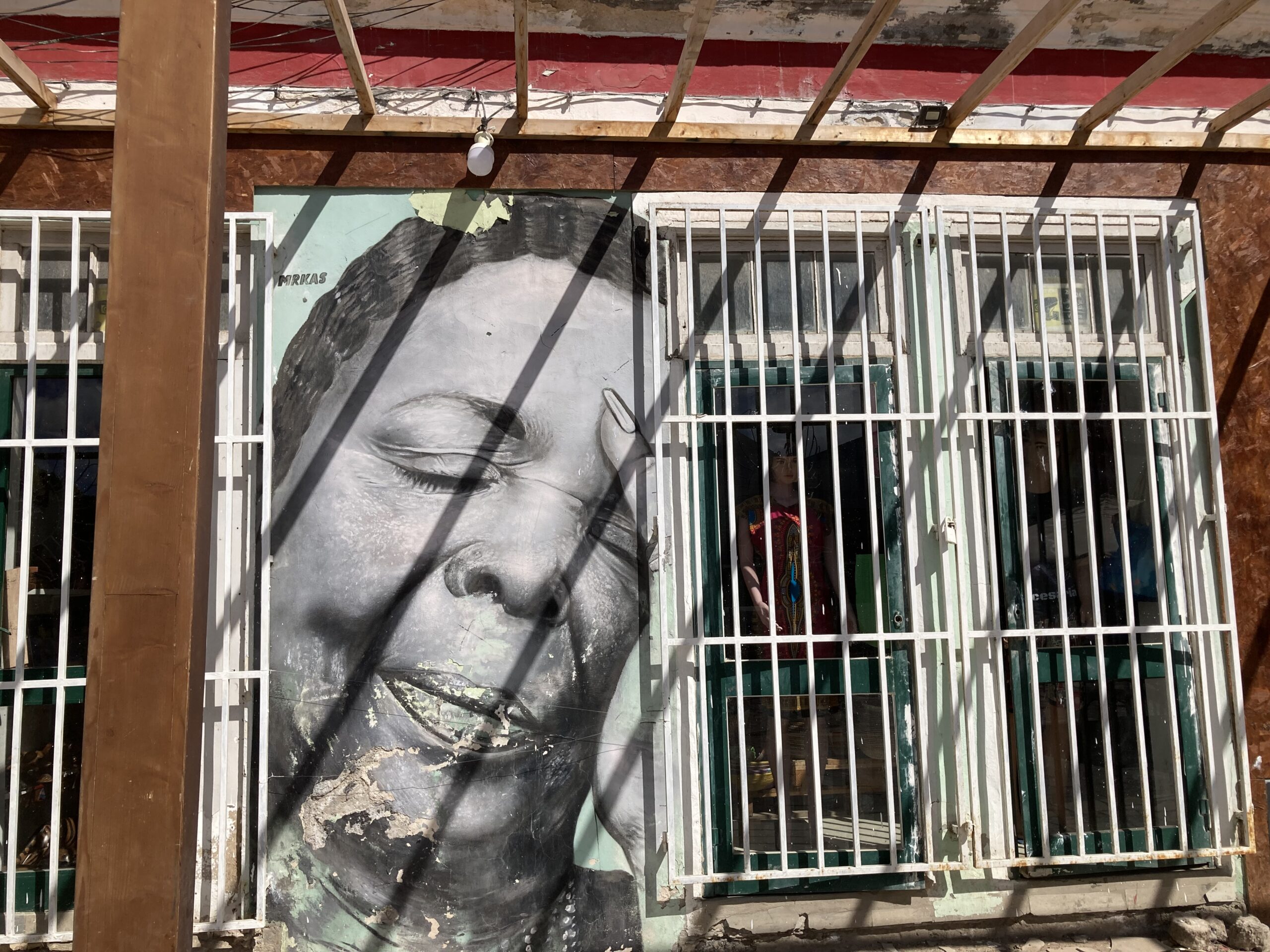
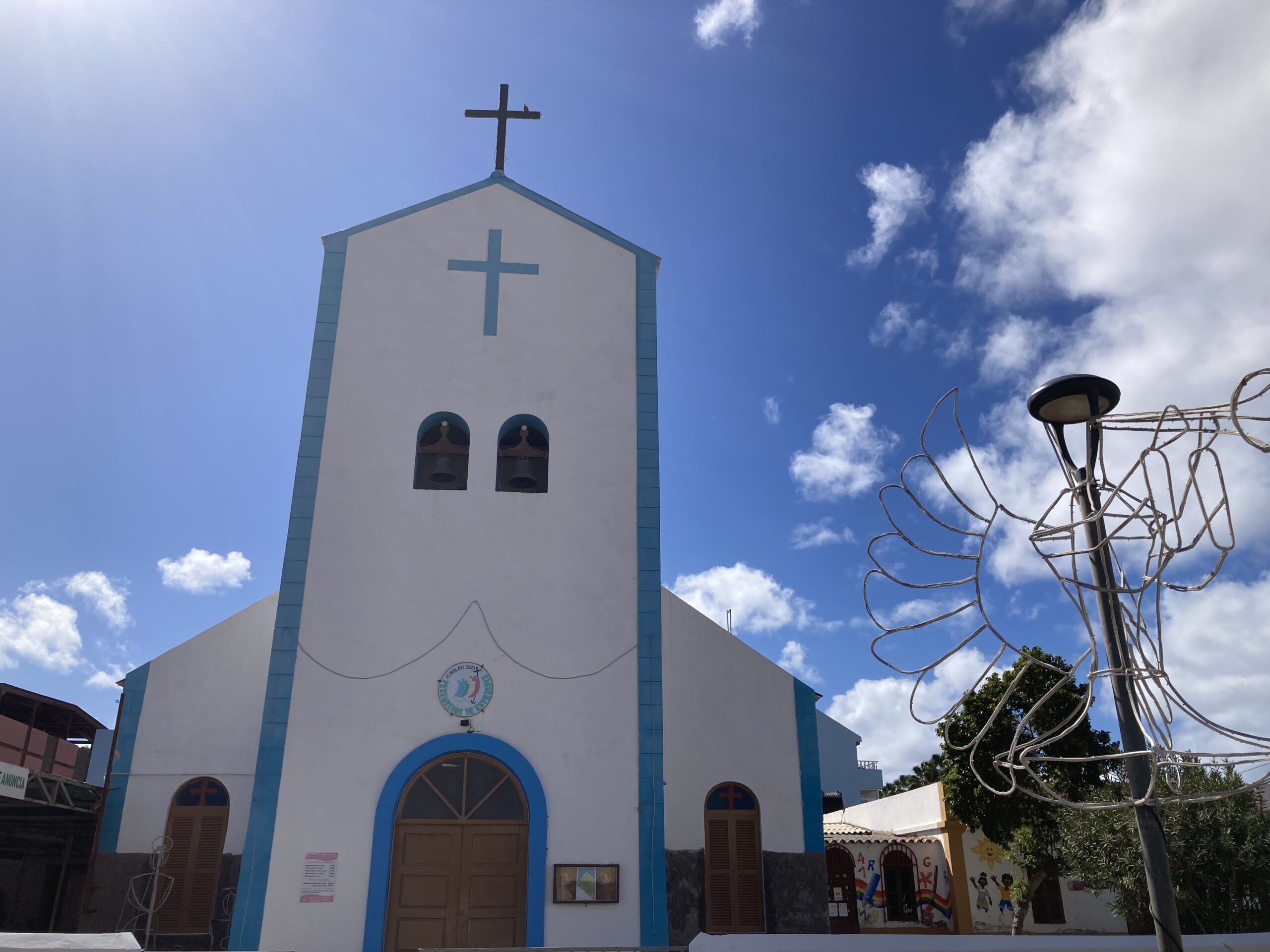
Santa Maria ist das touristische Zentrum der Insel. Mit seiner Fussgängerzone, den vielen Läden, Bars und Restaurants wirkt der Ort fast europäisch. Hier befinden sich die grossen Hotels, Ferienanlagen und Apartmenthäuser – der Baustil und die Infrastruktur sind stark europäisch geprägt. Doch je weiter man sich vom Strand entfernt, desto ärmlicher werden die Häuser, die Strassen und das gesamte Umfeld. Dieser Kontrast ist auf der ganzen Insel spürbar: Dort, wo der Tourismus dominiert, gibt es Infrastruktur – in den wenigen anderen Ortschaften ist alles deutlich einfacher.
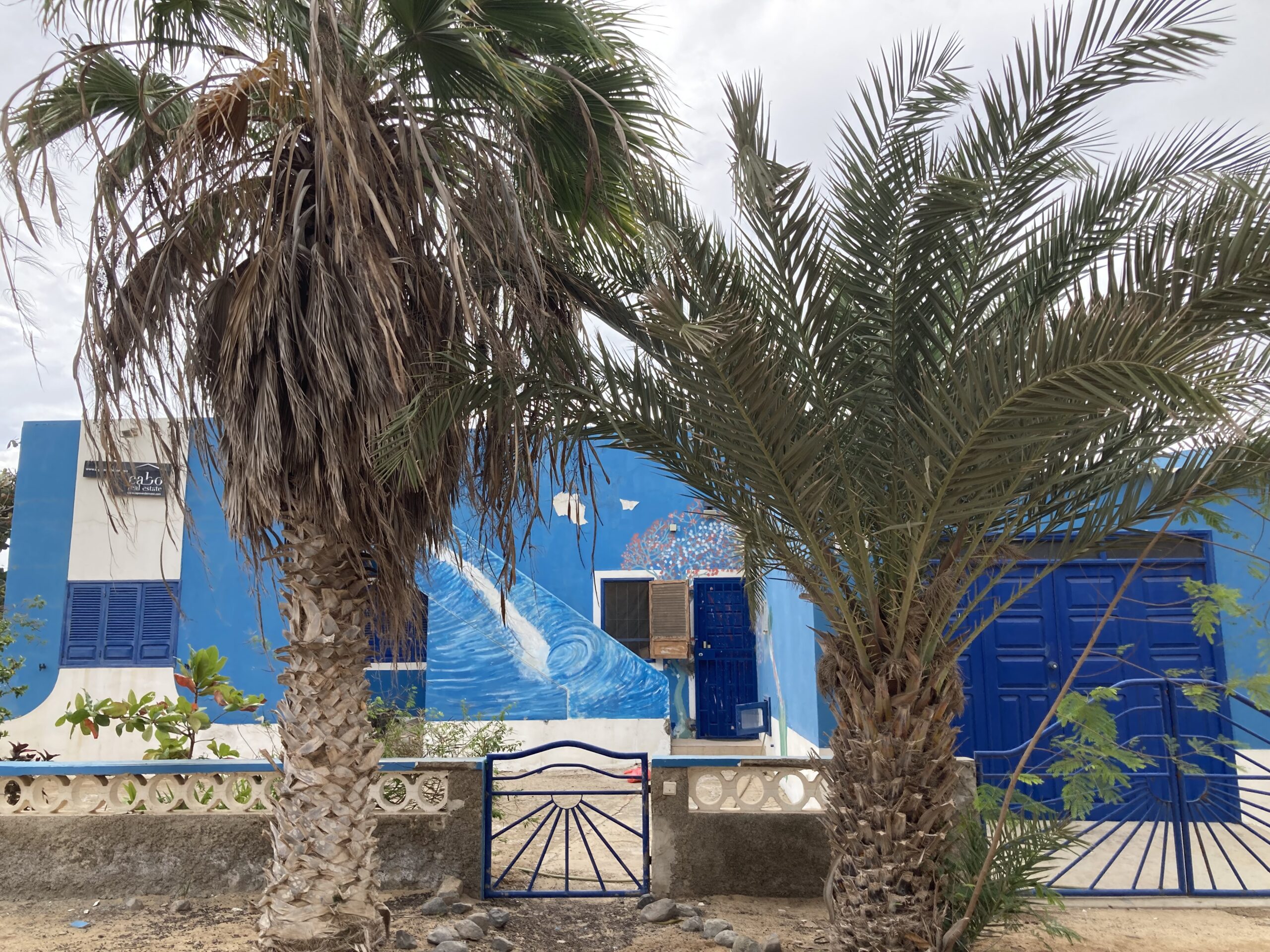
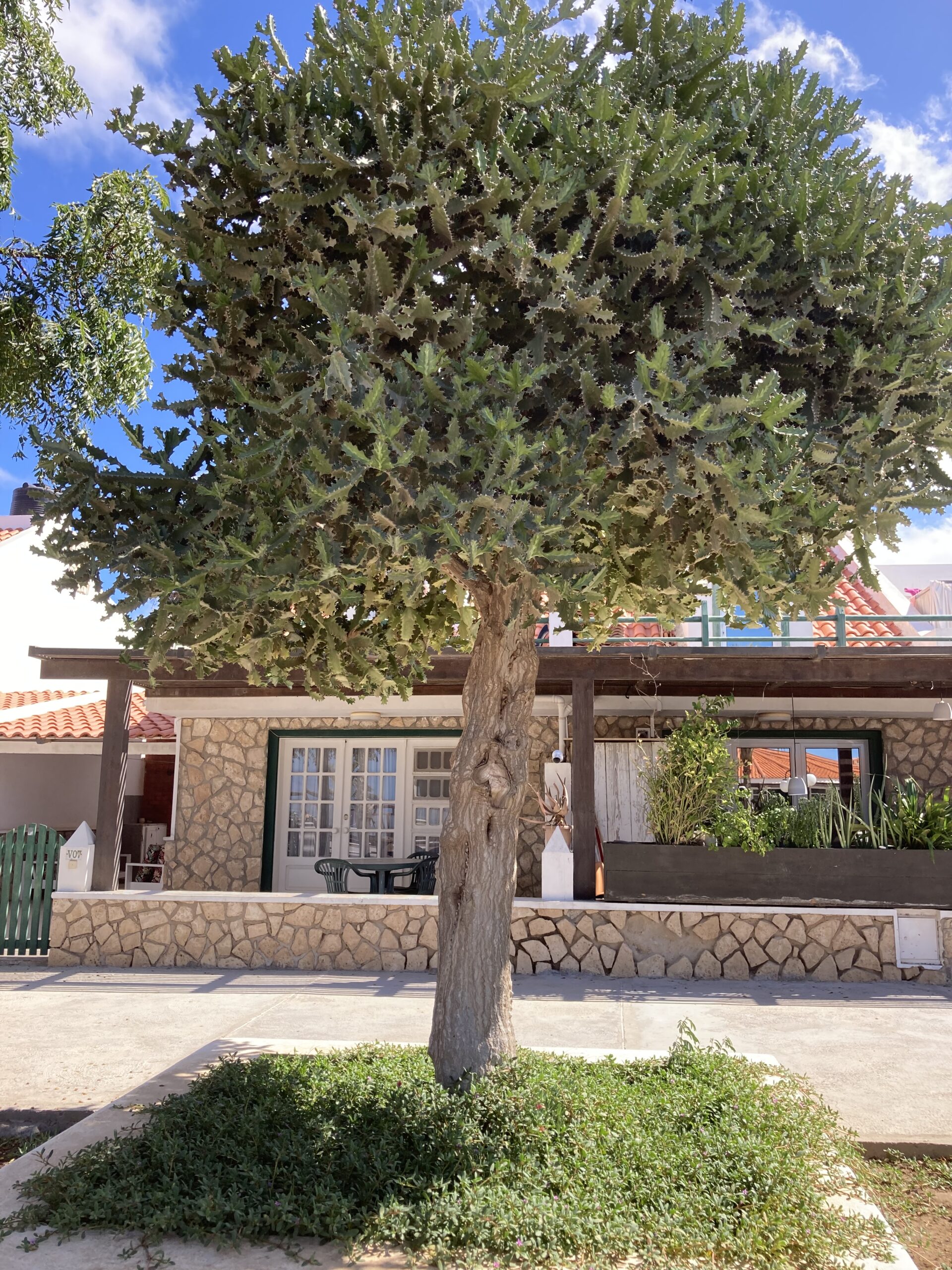
Am schönsten finden wir es allerdings in Murdeira. Ein sehr hübsches, ruhiges Örtchen mit einigen kleinen Reihenhaus-Ferienhäuschen, aber auch mit festen Inselbewohnern. Hier ist es deutlich weniger touristisch. Fantastische Strände, kleine geschützte Buchten und kristallklares Wasser machen den Ort besonders erholsam. Wir geniessen diese Ruhe sehr.
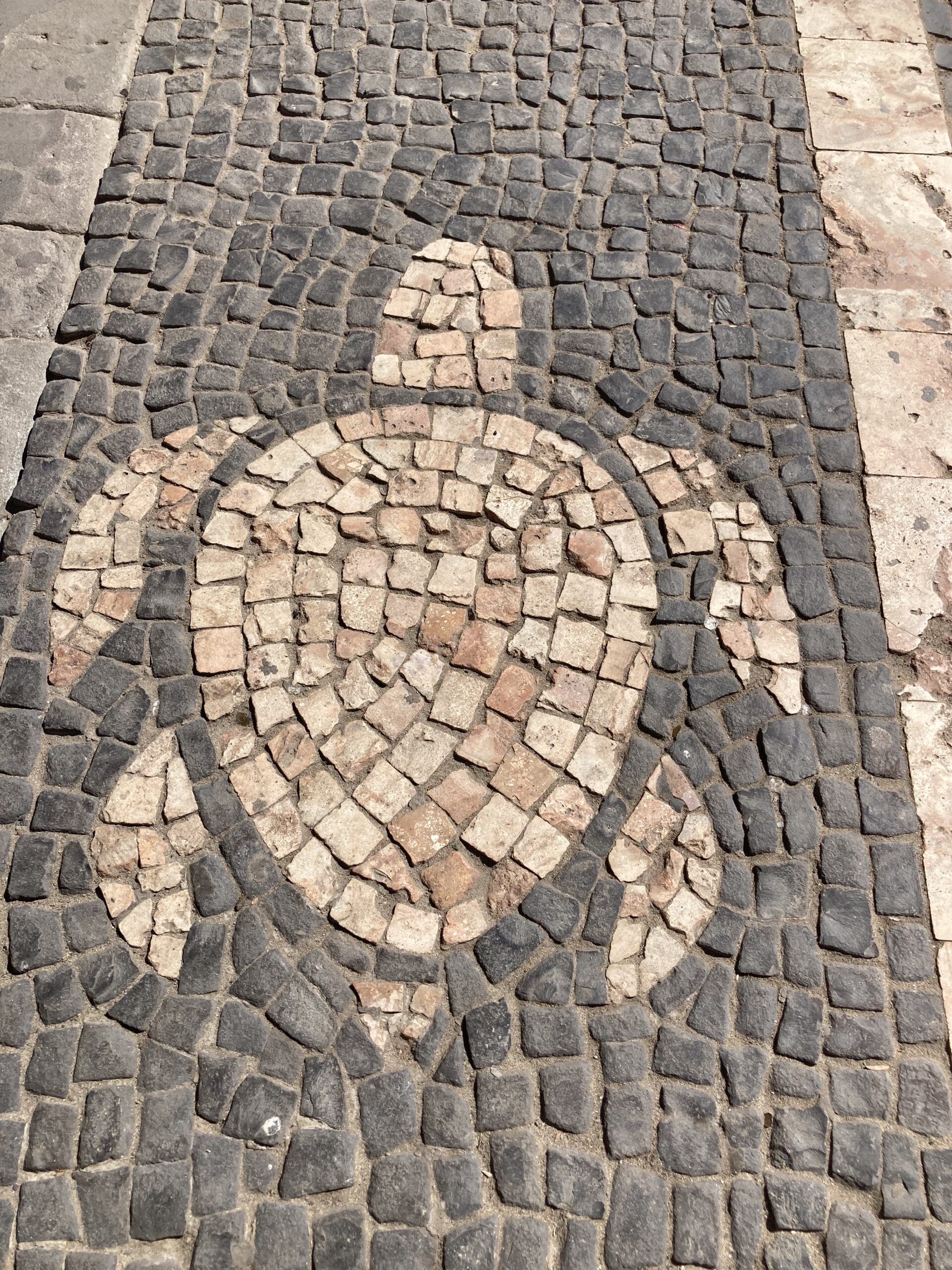
Beim Schnorcheln entdecken wir in einer besonders schönen Bucht sogar Meeresschildkröten – was für ein Privileg. Die Festtage verbringen wir schlicht, aber fein: Unser Weihnachtsessen besteht aus frischem Thunfisch aus der Markthalle und leckeren Kartoffeln.
Über Neujahr ist es praktisch unmöglich, eine Bleibe zu finden. Die Fähren zwischen den Inseln fahren nicht, und alle Inlandsflüge sind ausgebucht. Nach langem Hin und Her entscheiden wir uns, nicht weiterzusuchen und unsere Reise Richtung Senegal fortzusetzen.
So sehen wir weniger von den Kapverden, als ursprünglich geplant. Trotzdem geniessen wir unseren letzten Tag auf Sal in vollen Zügen.
Für die Kinder ist es besonders spannend: Trotz der vielen Touristen hat die Insel ein eigenes, afrikanisches Flair. Wir schnorcheln, baden, geniessen – und machen sogar noch eine kleine Tour zu den Zitronenhaien, die in einer seichten Bucht zwischen unseren Beinen hindurchschwimmen. Ein eigenartiges Gefühl, diese Tiere so nah zu sehen. Zum Glück sind sie erst etwa einen Meter gross – noch.
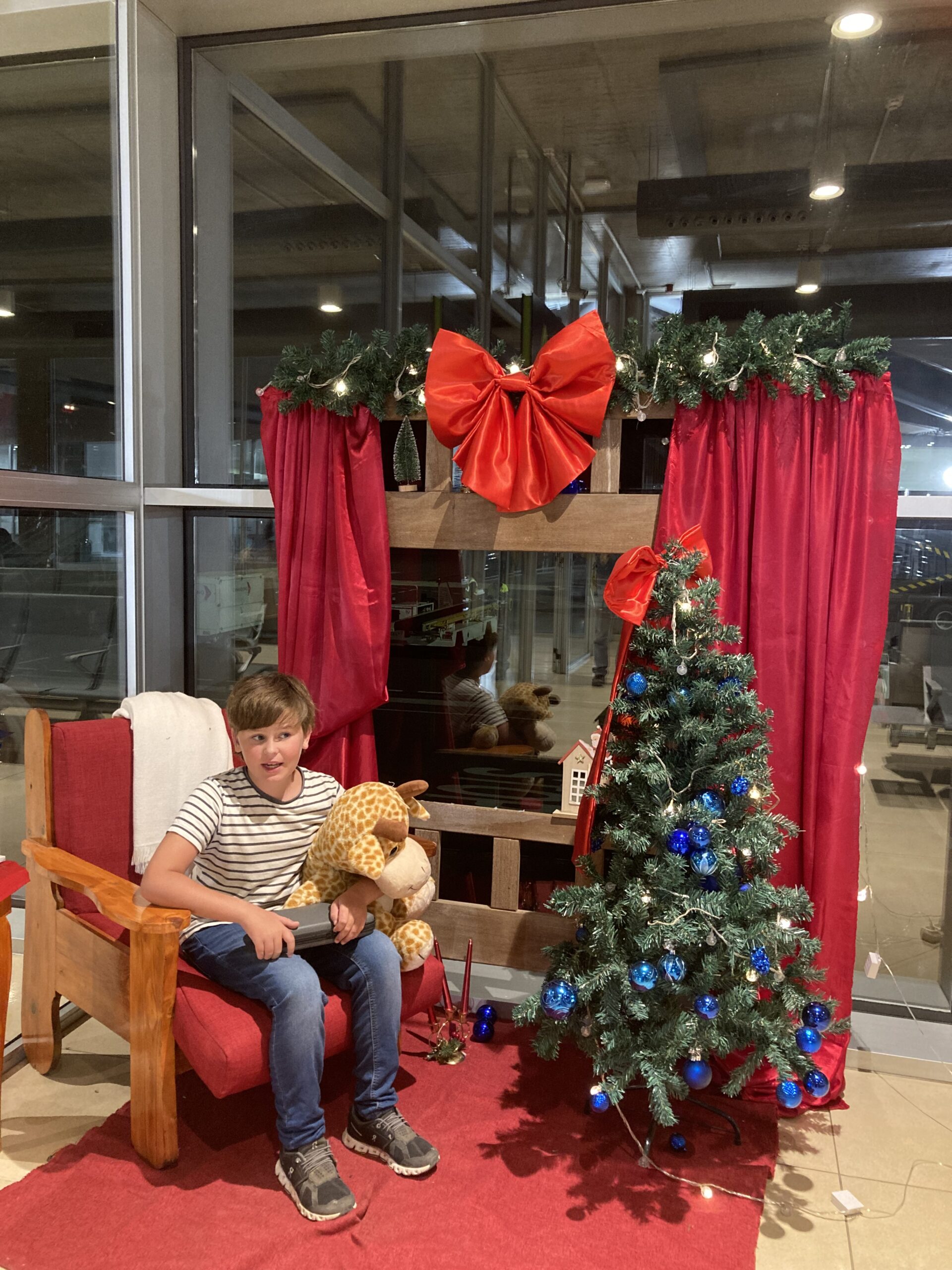
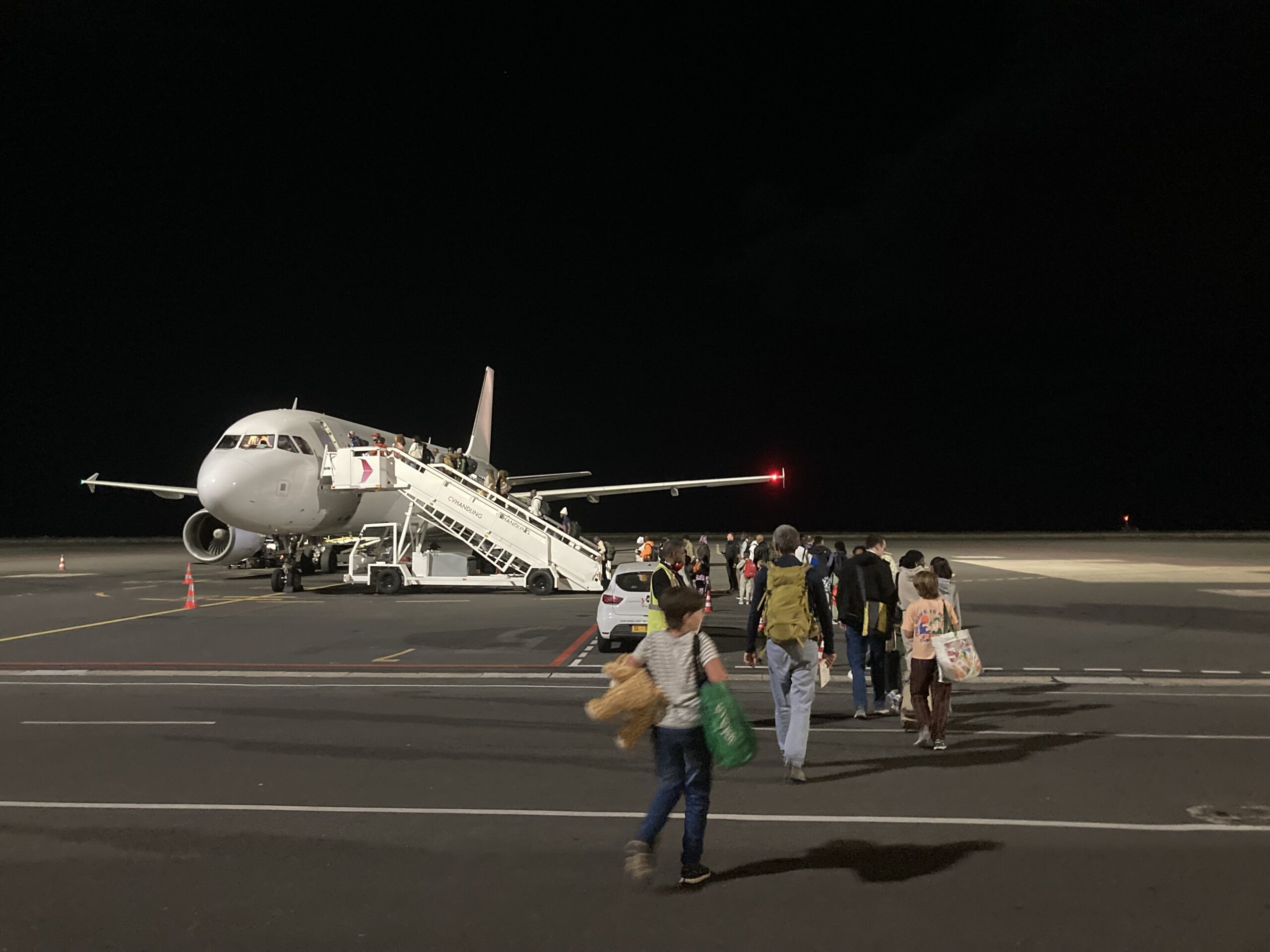
Dann ist alles gepackt. Die noch nassen Badesachen landen in einem Sack, und nach sehr langer Zeit ohne Fliegen machen wir uns wieder auf den Weg zum Flughafen. Mit Air Sénégal fliegen wir nach Dakar. So können wir Silvester bei Ouly und Ruedi verbringen – worauf wir uns sehr freuen.
Das nächste Abenteuer beginnt.
We have land beneath our feet again – African soil this time. As always, it is both fascinating and familiar, at least for us adults. The atmosphere, the houses, the smells: everything strongly reminds us of our long journey through Africa and the many places we have already visited on this continent. Unfortunately, the piles of rubbish are also part of the picture, not least due to the many tourists on the island.
Our first impression of Cape Verde is an almost desert-like landscape. And yes, Sal lies in the Sahel zone – you can see and feel it immediately. The island is of volcanic origin and has been shaped over a long time by constant winds and extreme dryness into a harsh, barren landscape. Almost nothing grows here.
For a very long time, the island was uninhabited. It was only with the salt trade in the 18th century that people settled here. Later, Sal served as a stopover for coal ships and then for flights to South America. Today, the island lives almost exclusively from tourism, especially during the winter months.
As a result, everything is quite expensive, and during Christmas it is high season. Finding accommodation is difficult, as rooms and apartments are scarce. Still, we really enjoy having solid ground under our feet again. The beaches are stunningly beautiful: turquoise water and wide horizons. In less touristy areas, the bays are almost deserted.
Santa Maria is the main tourist centre of the island. With its pedestrian zone, many shops, bars and restaurants, it feels very European. This is where most hotels, resorts and apartment complexes are located. But the further away from the beach you go, the poorer the houses, streets and surroundings become. This contrast is noticeable all over the island: where tourism is strong, there is infrastructure – in the other villages, life is much simpler.
Our favourite place, however, is Murdeira. A very pretty and quiet village with small holiday row houses, local island residents. It is far less touristy. Fantastic beaches, small sheltered bays and crystal-clear water make it especially relaxing. We enjoy it very much.
While snorkelling, we even spot sea turtles in a particularly beautiful bay – what a privilege. We spend the holidays simply but well: our Christmas meal consists of fresh tuna from the market hall and delicious potatoes.
Over New Year’s Eve, it is almost impossible to find accommodation. Ferries between the islands are not running, and all domestic flights are fully booked. After much deliberation, we decide to stop searching and continue our journey towards Senegal.
We see less of Cape Verde than originally planned, but we fully enjoy our last day on Sal.
For the children, it is especially exciting: despite the many tourists, the island has its own African character. We snorkel, swim and relax – and even take a small trip to see lemon sharks swimming through the shallow water between our legs. A strange feeling to be so close to them. Luckily, they are only about one metre long – for now.
Then everything is packed. Our still-wet swimwear goes into a bag, and after a long time without flying, we head back to the airport. With Air Sénégal, we fly to Dakar, where we will spend New Year’s Eve with Ouly and Ruedi – something we are really looking forward to.
The next adventure begins.
Nous avons à nouveau la terre sous nos pieds – cette fois-ci un sol africain. Comme toujours, c’est à la fois fascinant et familier, du moins pour nous les adultes. L’atmosphère, les maisons, les odeurs : tout nous rappelle fortement notre long voyage en Afrique et les nombreux endroits que nous avons déjà visités sur ce continent. Malheureusement, les montagnes de déchets font aussi partie du paysage, en grande partie à cause du tourisme.
La première impression du Cap-Vert est celle d’un paysage presque désertique. Et oui, Sal se situe dans la zone du Sahel – cela se voit et se ressent immédiatement. L’île est d’origine volcanique et a été façonnée pendant des siècles par des vents constants et une sécheresse extrême. Ici, presque rien ne pousse.
Pendant très longtemps, l’île est restée inhabitée. Ce n’est qu’au XVIIIᵉ siècle, avec l’exploitation du sel, que les premiers habitants s’y installent. Plus tard, Sal sert d’escale pour le charbon, puis pour les vols vers l’Amérique du Sud. Aujourd’hui, l’île vit presque exclusivement du tourisme, surtout durant les mois d’hiver.
Tout est donc assez cher, et à Noël, c’est la haute saison. Trouver un logement est difficile, les chambres et appartements sont rares. Malgré cela, nous apprécions énormément le fait d’avoir à nouveau la terre ferme sous nos pieds. Les plages sont magnifiques : une eau turquoise et des horizons infinis. Dans les zones moins touristiques, les criques sont presque désertes.
Santa Maria est le centre touristique de l’île. Avec sa zone piétonne, ses nombreux magasins, bars et restaurants, la ville a un air très européen. C’est là que se trouvent les hôtels, les complexes de vacances et les immeubles d’appartements. Mais plus on s’éloigne de la plage, plus les maisons, les routes et l’environnement deviennent pauvres. Ce contraste est visible sur toute l’île : là où le tourisme est présent, l’infrastructure est développée – ailleurs, la vie est beaucoup plus simple.
Notre endroit préféré est toutefois Murdeira. Un très joli petit village calme, avec quelques maisons de vacances en rangée, des habitants locaux. Le tourisme y est bien moins présent. De magnifiques plages, de petites baies protégées et une eau cristalline rendent l’endroit particulièrement reposant. Nous en profitons énormément.
En faisant du snorkeling, nous découvrons même des tortues marines dans une baie particulièrement belle – quel privilège. Nous passons les fêtes simplement mais agréablement : notre repas de Noël se compose de thon frais acheté au marché et de délicieuses pommes de terre.
À Nouvel An, il est presque impossible de trouver un logement. Les ferries entre les îles ne circulent pas et tous les vols intérieurs sont complets. Après de longues réflexions, nous décidons d’arrêter nos recherches et de poursuivre notre voyage vers le Sénégal.
Nous voyons moins du Cap-Vert que prévu initialement, mais nous profitons pleinement de notre dernier jour à Sal.
Pour les enfants, c’est particulièrement excitant : malgré les nombreux touristes, l’île conserve une véritable ambiance africaine. Nous faisons du snorkeling, nous nageons, nous nous détendons – et nous participons même à une excursion pour voir des requins citron qui nagent entre nos jambes dans une eau peu profonde. Une sensation étrange de les voir d’aussi près. Heureusement, ils ne mesurent qu’environ un mètre – pour l’instant.
Puis tout est emballé. Nos affaires de bain encore mouillées finissent dans un sac et, après une longue période sans avion, nous prenons la route de l’aéroport. Avec Air Sénégal, nous volons vers Dakar, où nous passerons le Nouvel An avec Ouly et Ruedi – une perspective qui nous réjouit beaucoup.
La prochaine aventure commence.