Mauretanien – ein Land geprägt von einer langen Küste am Atlantik, aber noch viel mehr von den riesigen Wüstenmeeren im Landesinneren.
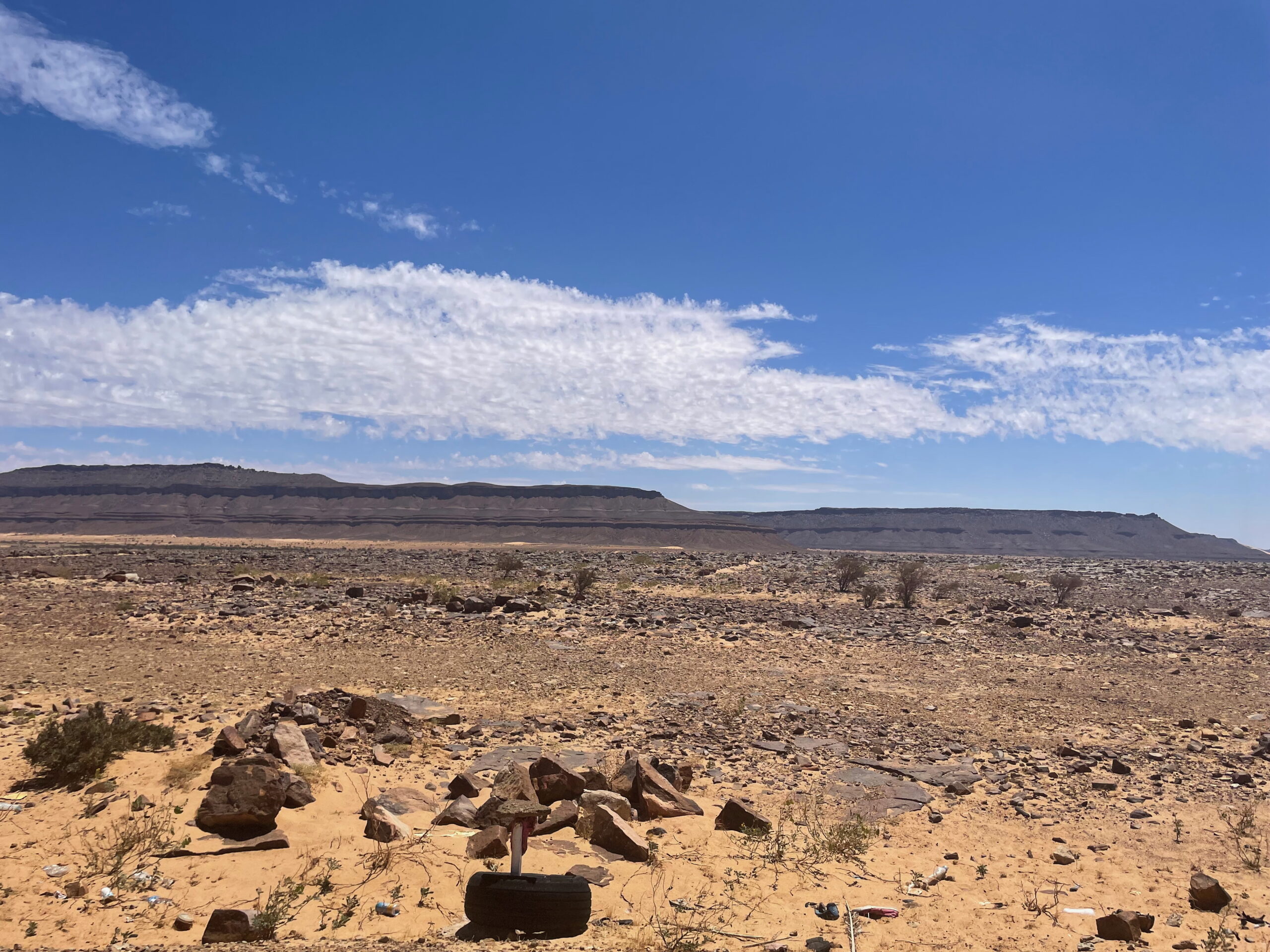
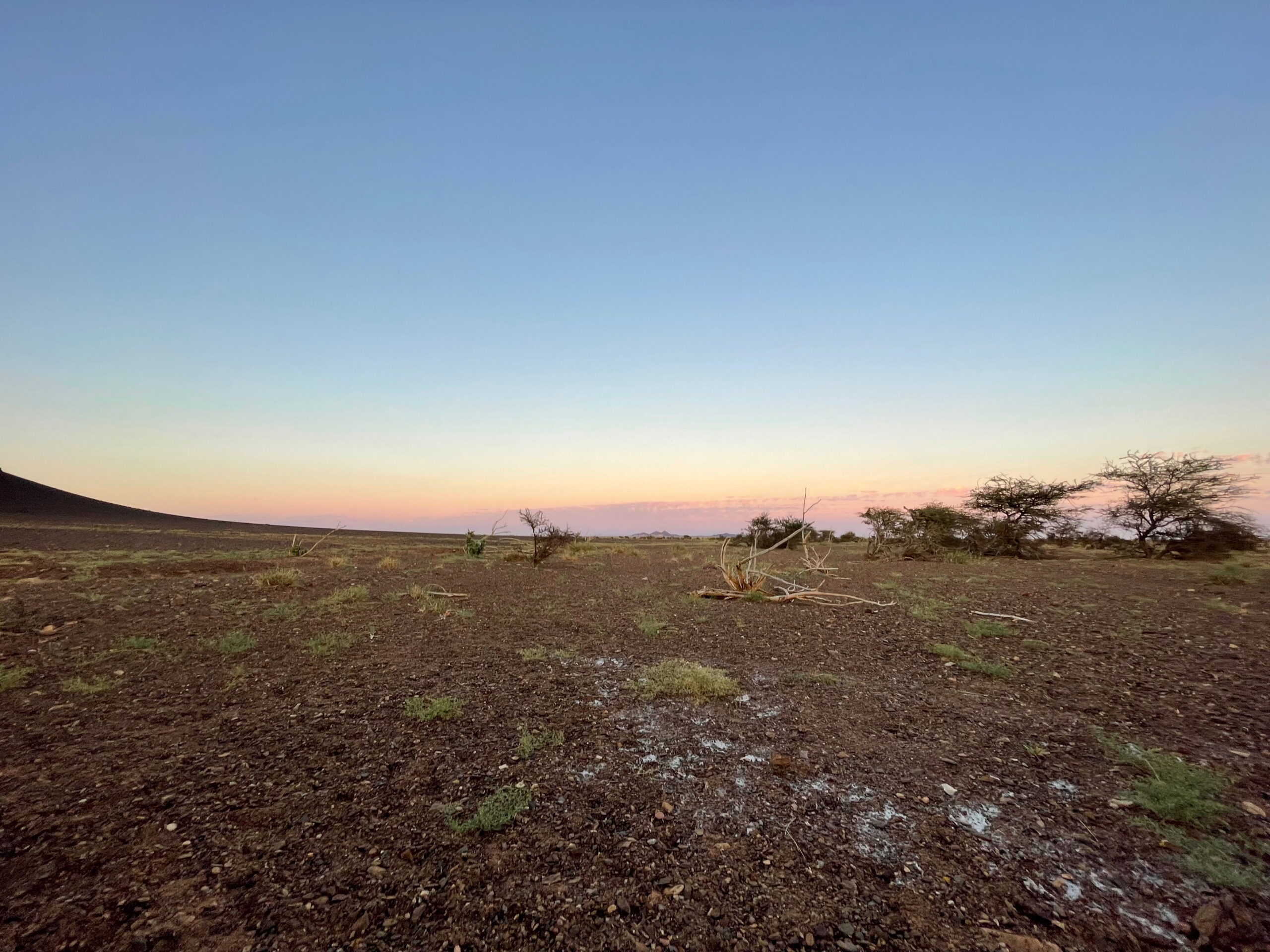
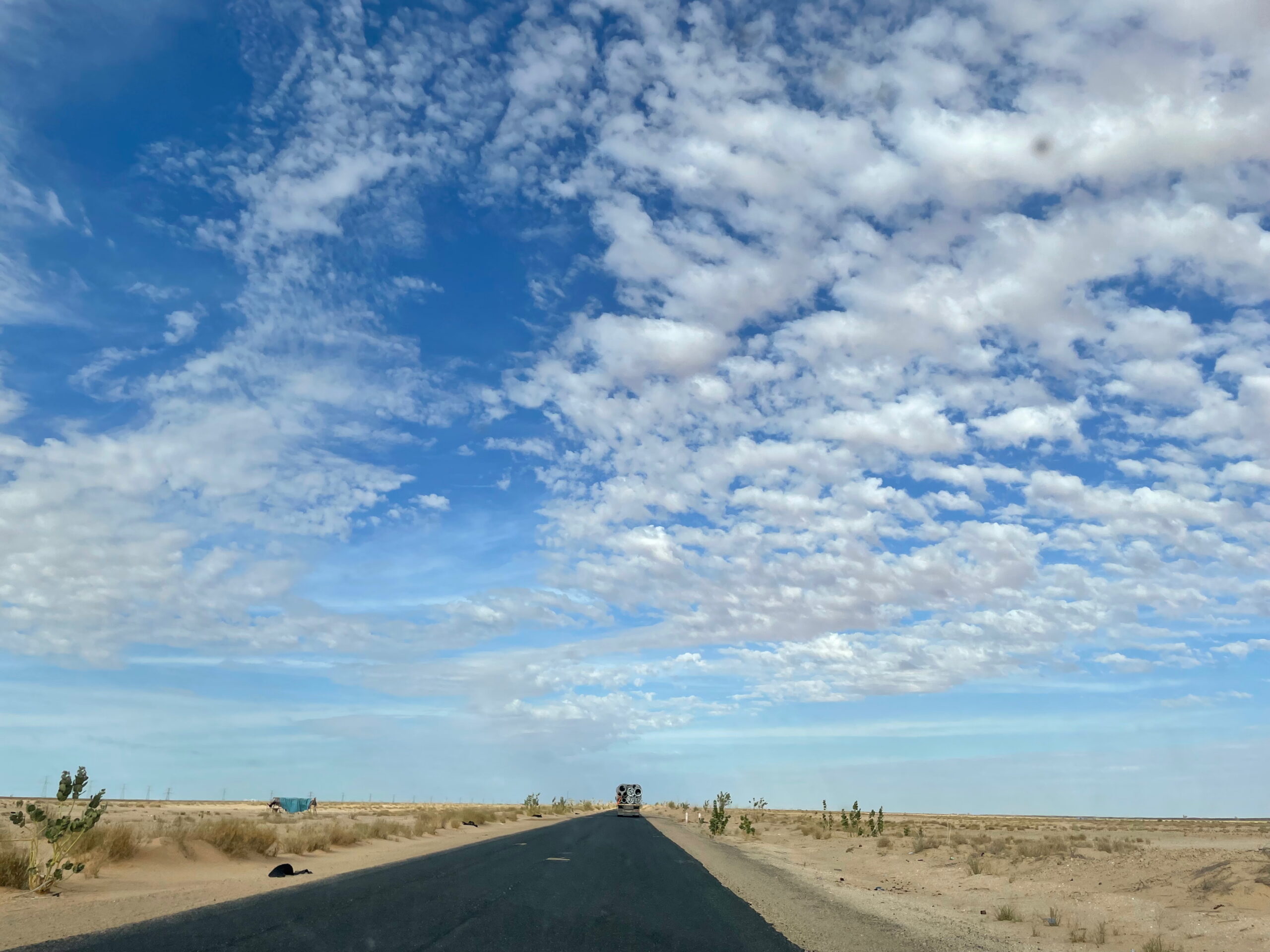
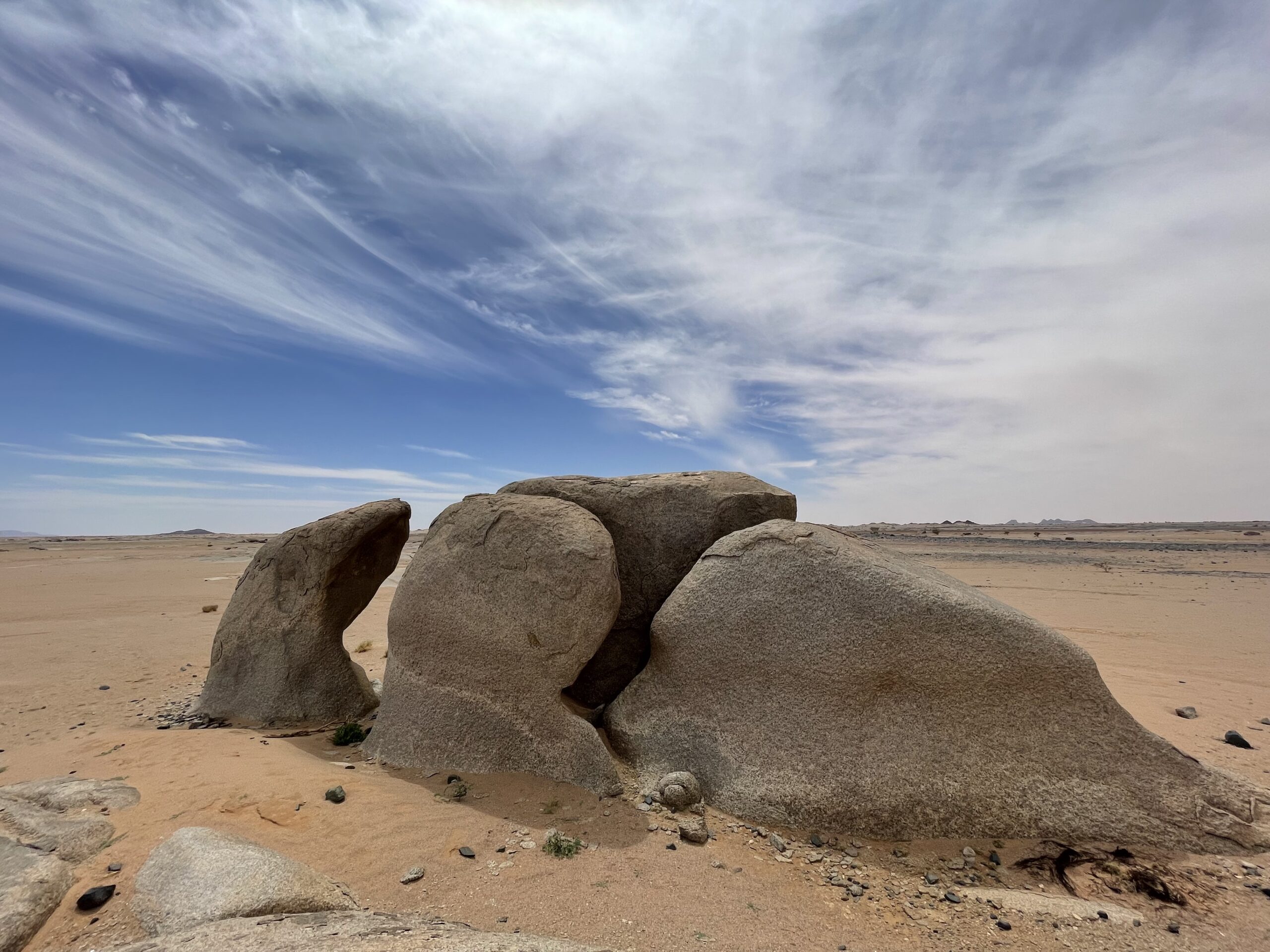
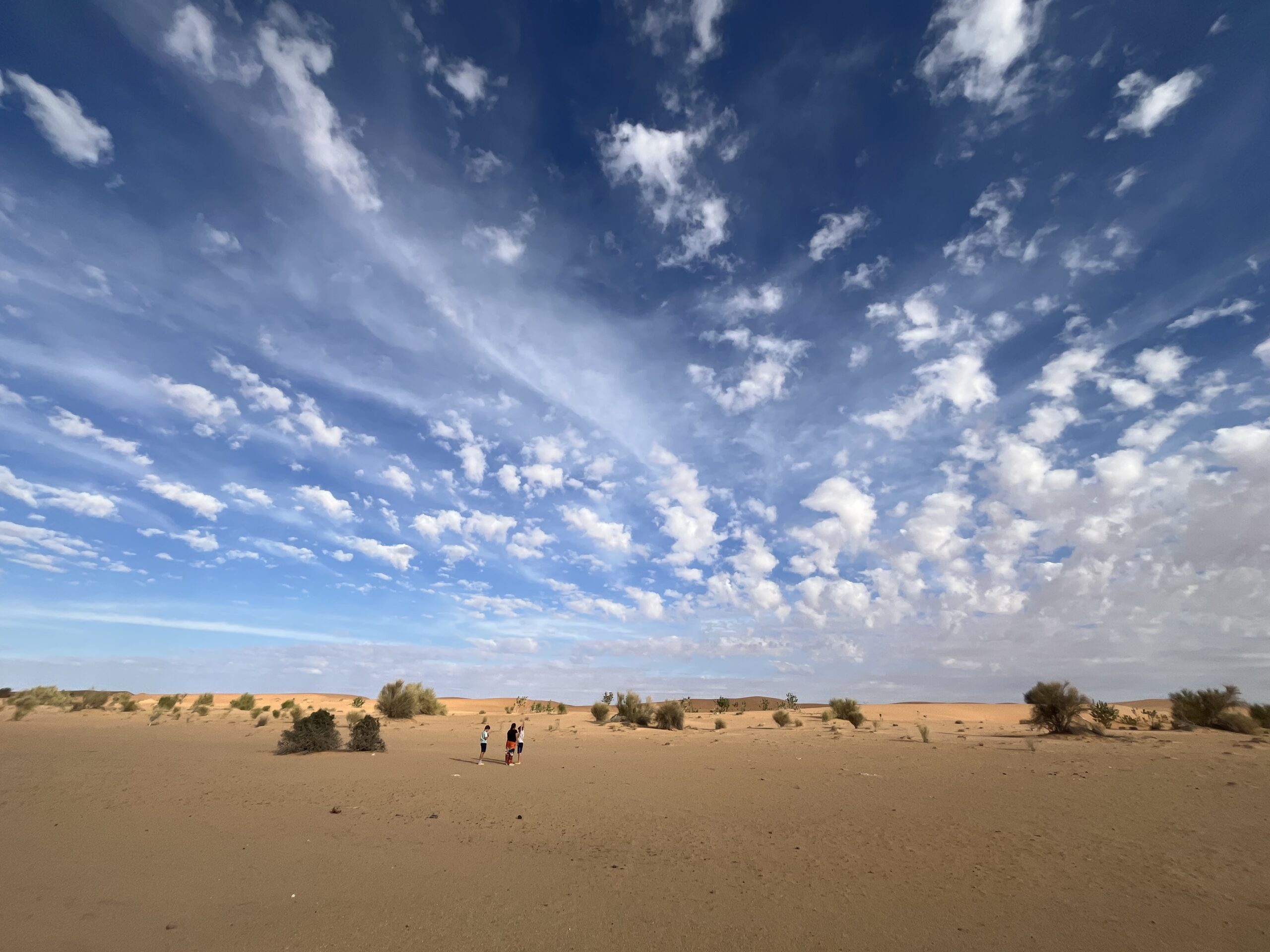
Zu Beginn ist die Landschaft noch leicht grün. Doch schon bald wechselt sie ihr Kleid. Die Farben verblassen, und es entsteht ein Bild aus Steppe, Sand und vereinzelten Akazien. Dazwischen bewegen sich Esel – und immer häufiger auch Dromedare. Je weiter wir nach Norden reisen, desto mehr wird die Landschaft zu einer endlosen Wüste. Karg, weit, fast unwirklich. Gleichzeitig faszinierend und ein wenig einschüchternd.
Es ist schwer vorstellbar, wie Menschen hier leben, wie sie aus diesem Boden ihre Existenz erschaffen. Und doch geschieht genau das. Für uns als Durchreisende ist es vor allem eines: zutiefst beeindruckend.
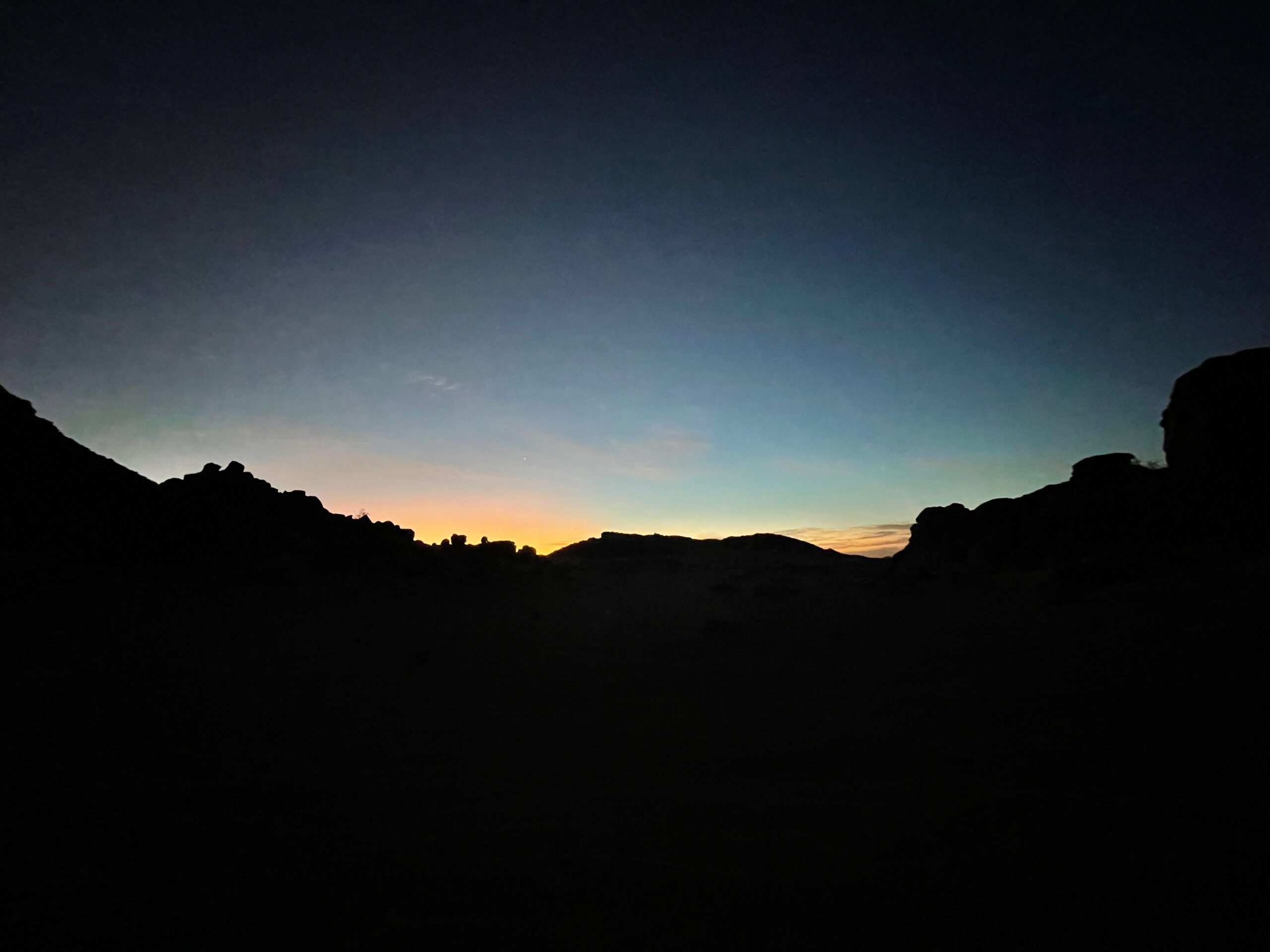
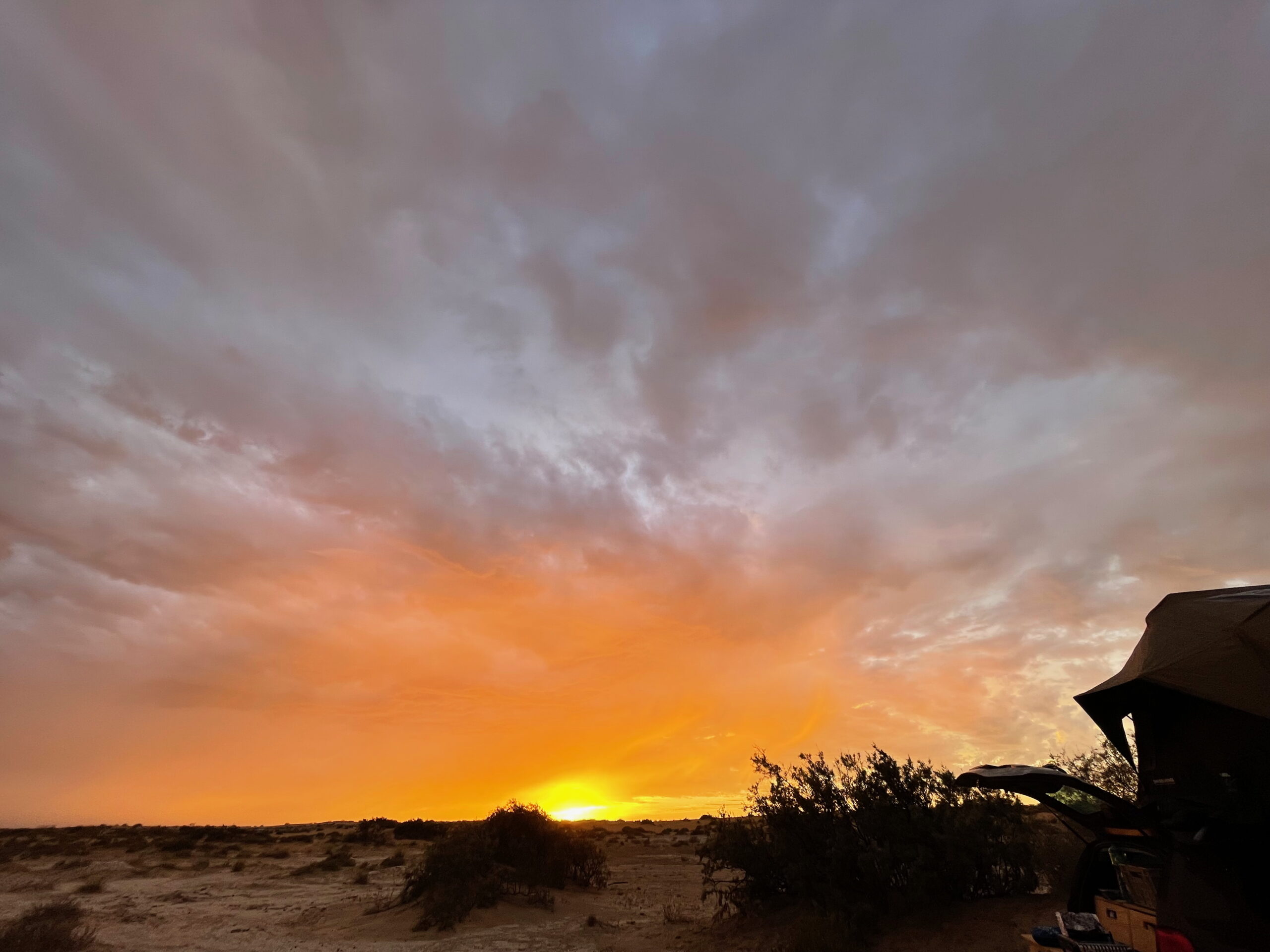
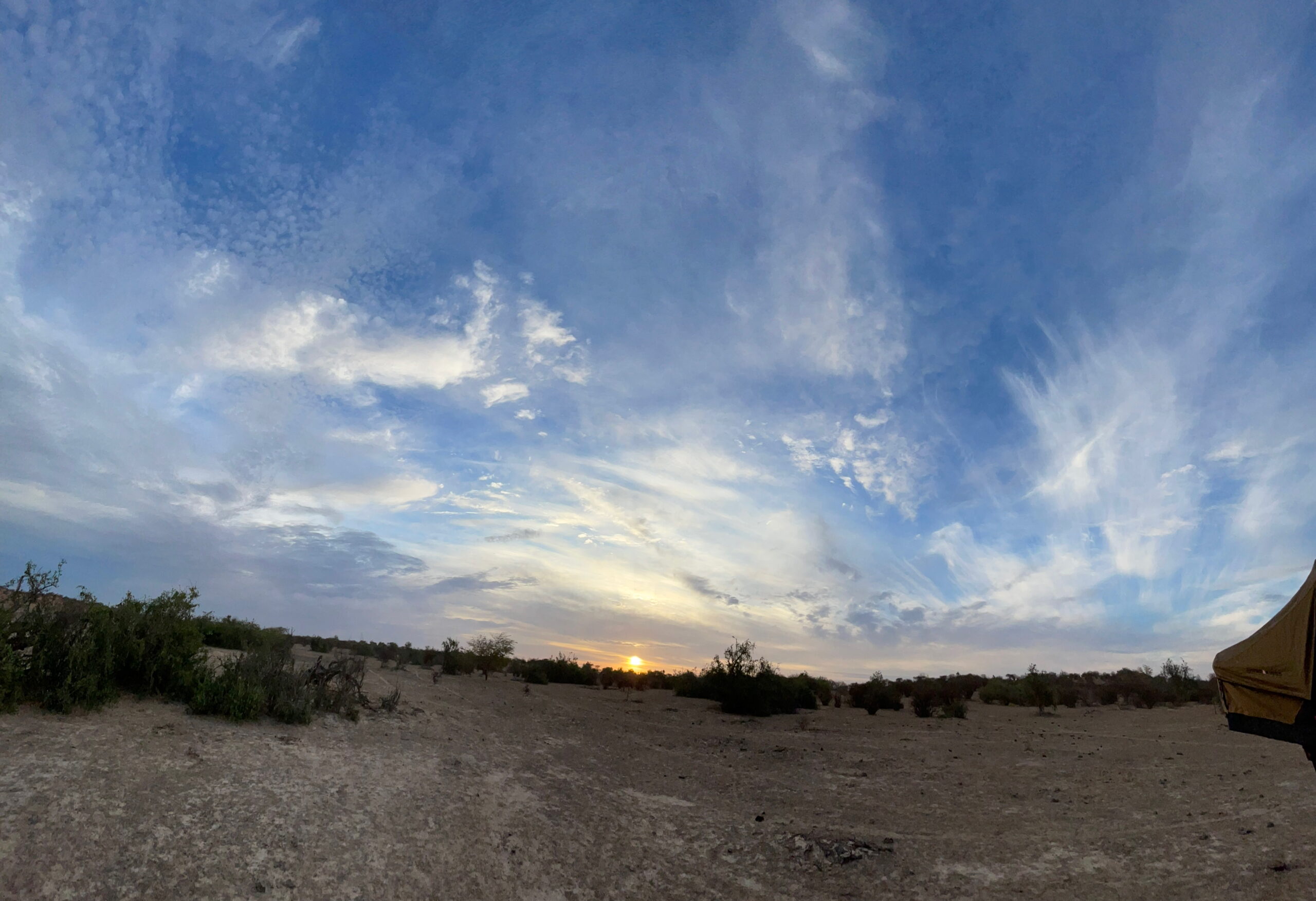
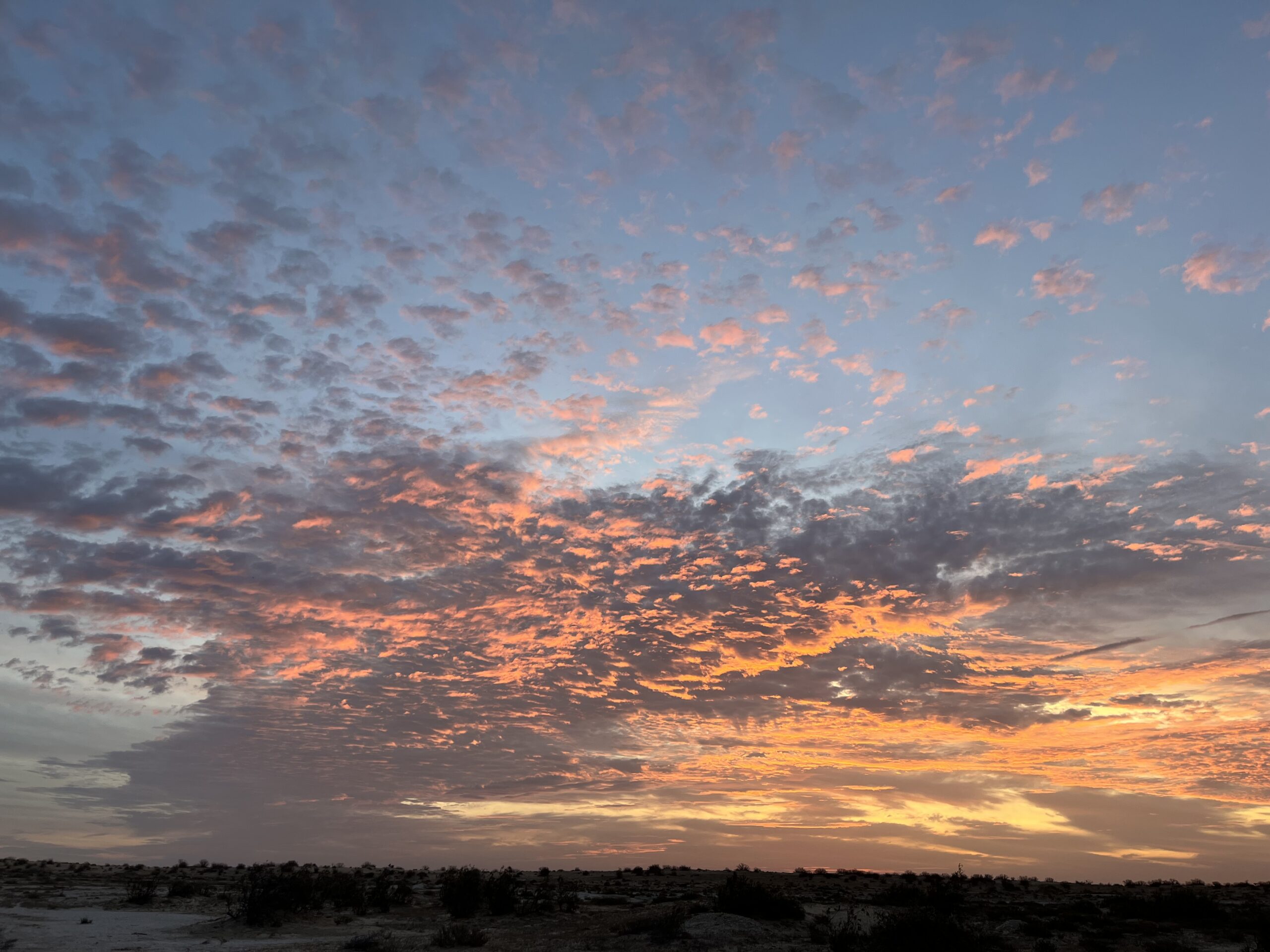
Der Himmel scheint hier grösser zu sein, weiter, unendlich.
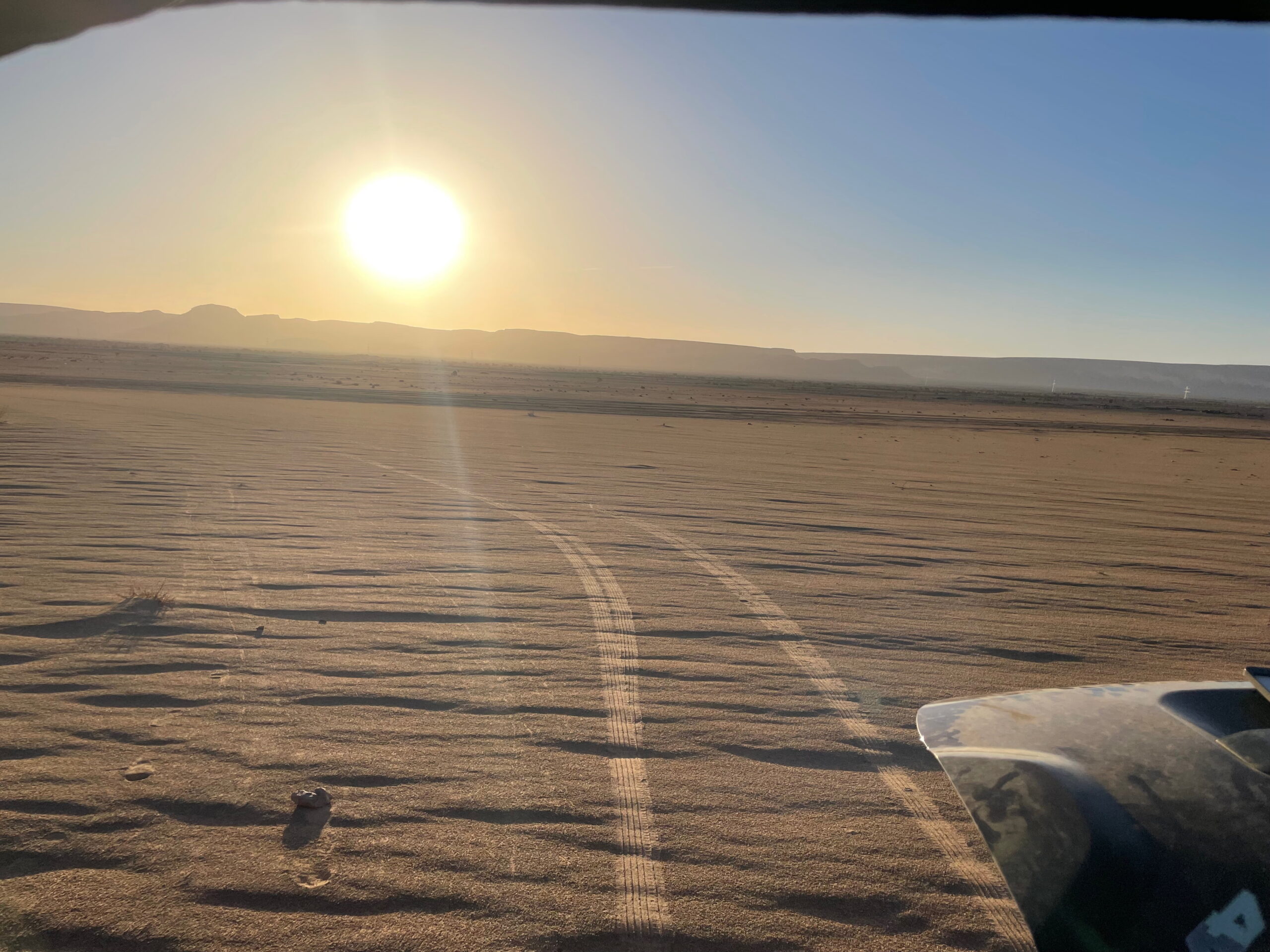
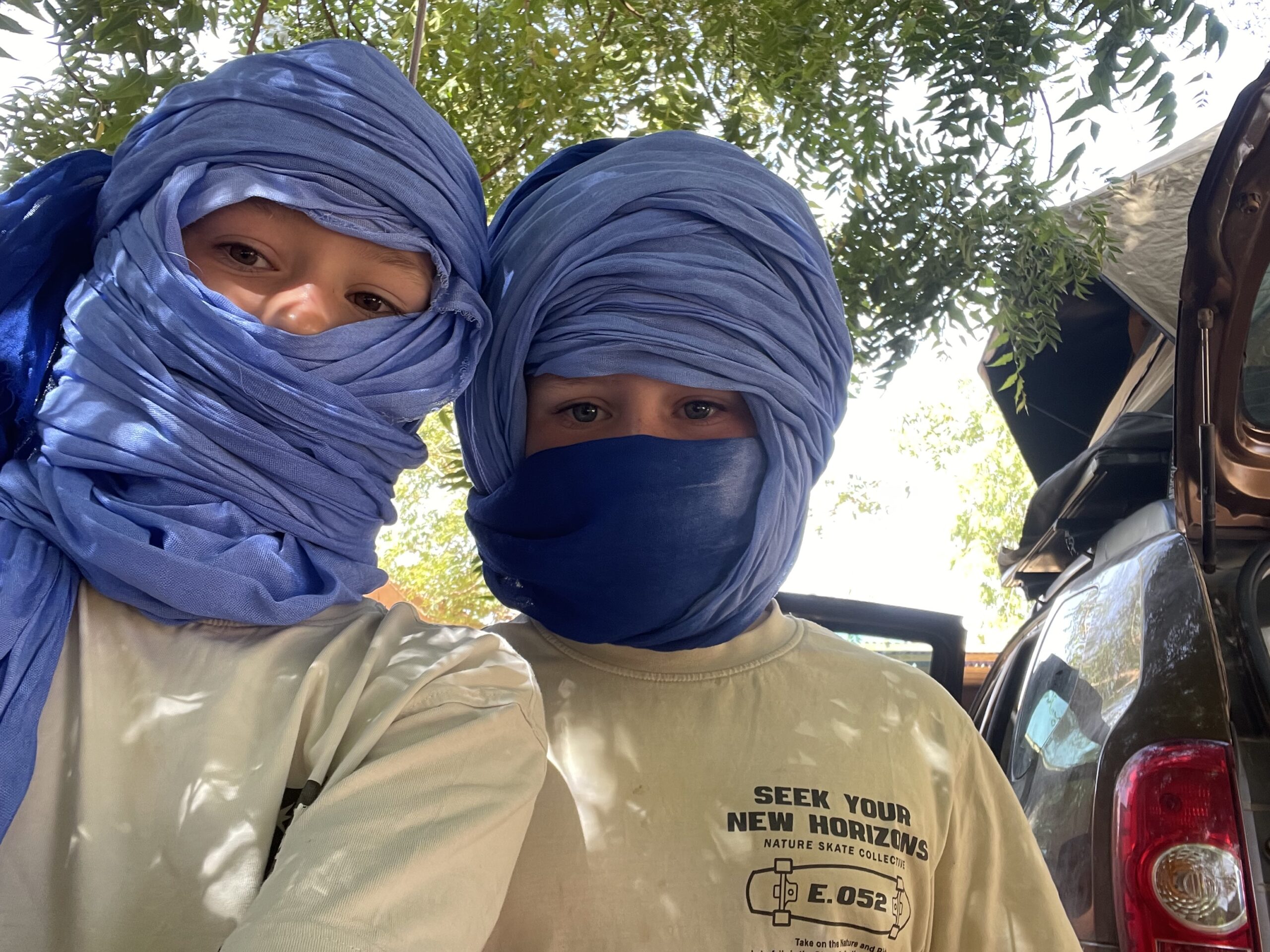
Wir verbringen die ersten Nächte im Dachzelt und im kleinen Moskitonetz-Zelt. Wildcampen mitten in dieser Weite. Es macht uns allen grossen Spass. Besonders den Kindern – sie graben sich begeistert in die Sanddünen ein, bauen, buddeln, entdecken. Manche Orte wirken völlig verlassen. Still. Fast unwirklich leer. Weiter im Norden, näher an den Bergbaugebieten, verändert sich das Bild erneut. Hier werden Kupfer, Gold und Eisenerz abgebaut. Ein gigantischer Zug transportiert die Rohstoffe durch die Wüste bis zum Atlantik – der legendäre Mauritania Iron Ore Train.
Ein Symbol für die Extreme dieses Landes. Einige der wenigen anderen Reisenden, die wir treffen, suchen das Abenteuer auf diesem Zug – obwohl es inzwischen offiziell nicht mehr erlaubt ist. Zwölf Stunden auf offenen Waggons, Wind, Staub und Kälte ausgesetzt.
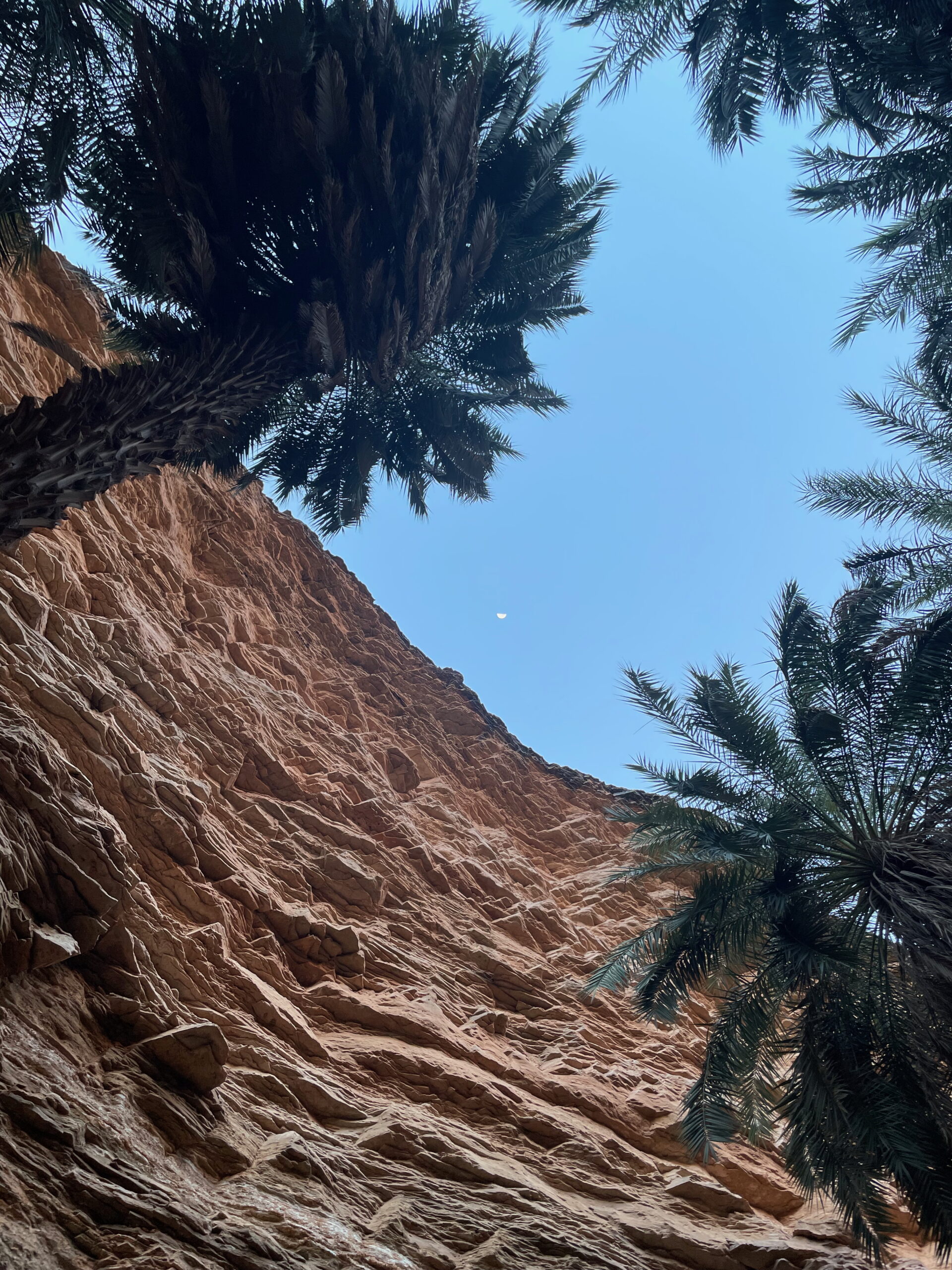
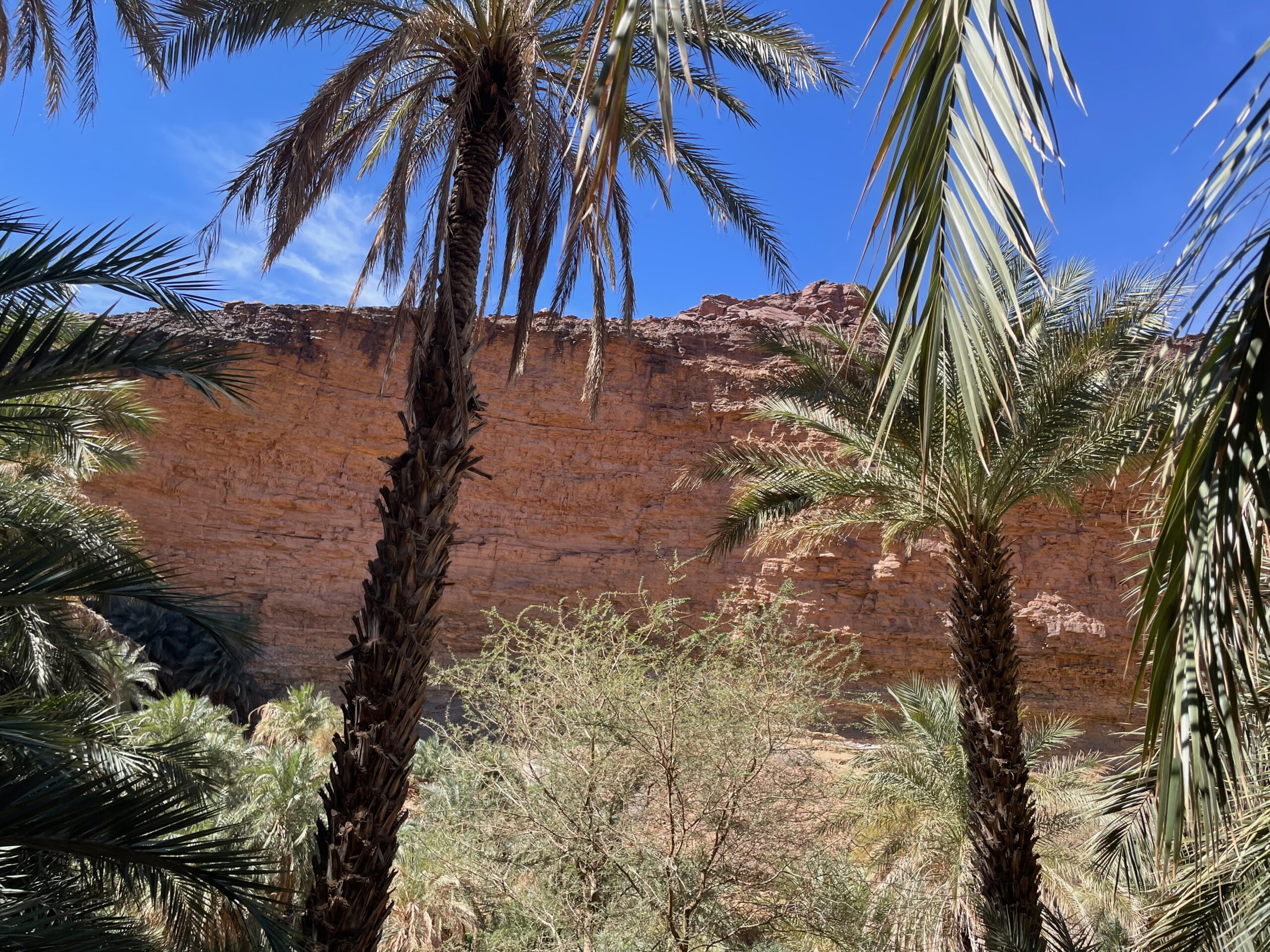
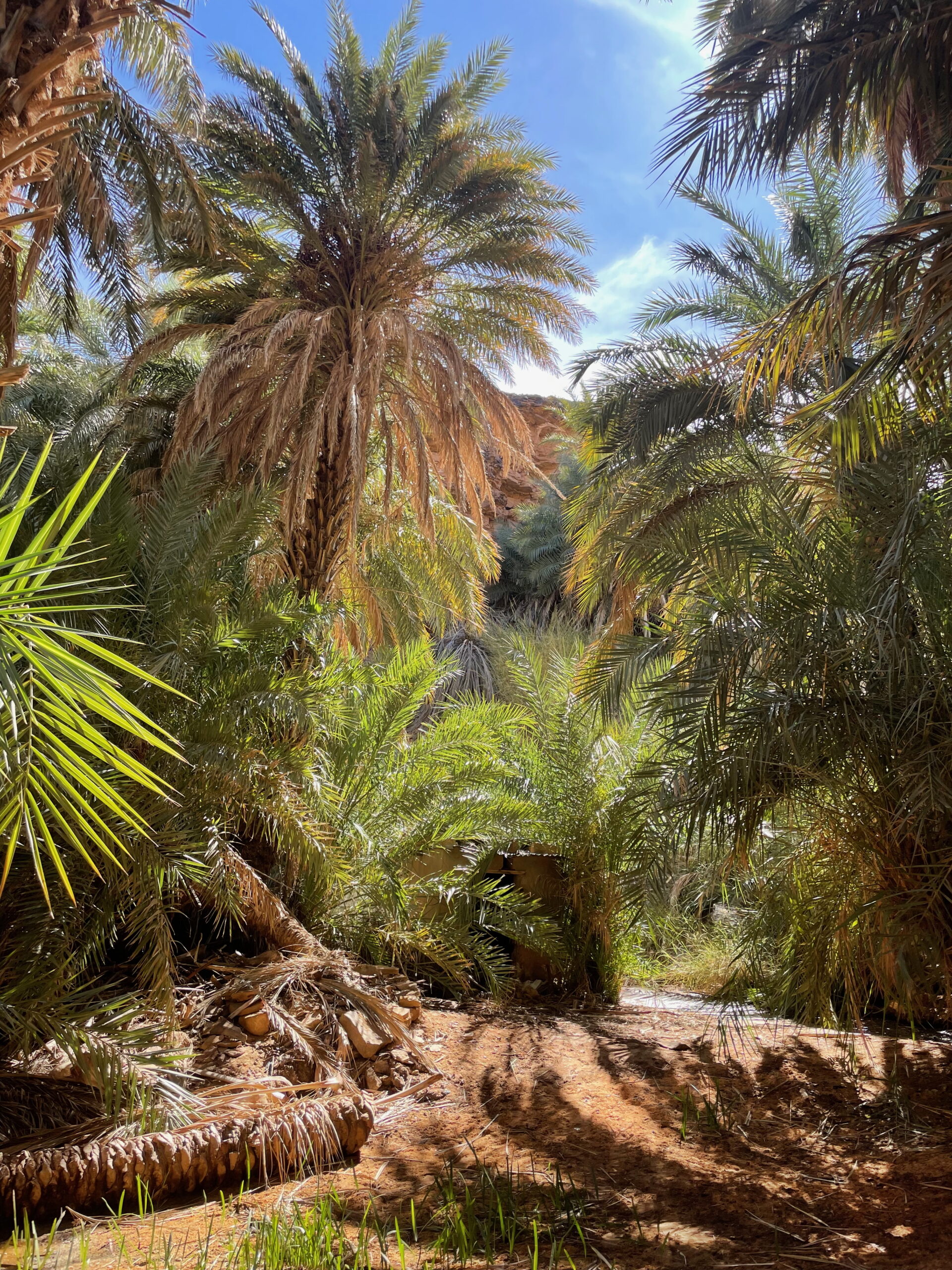
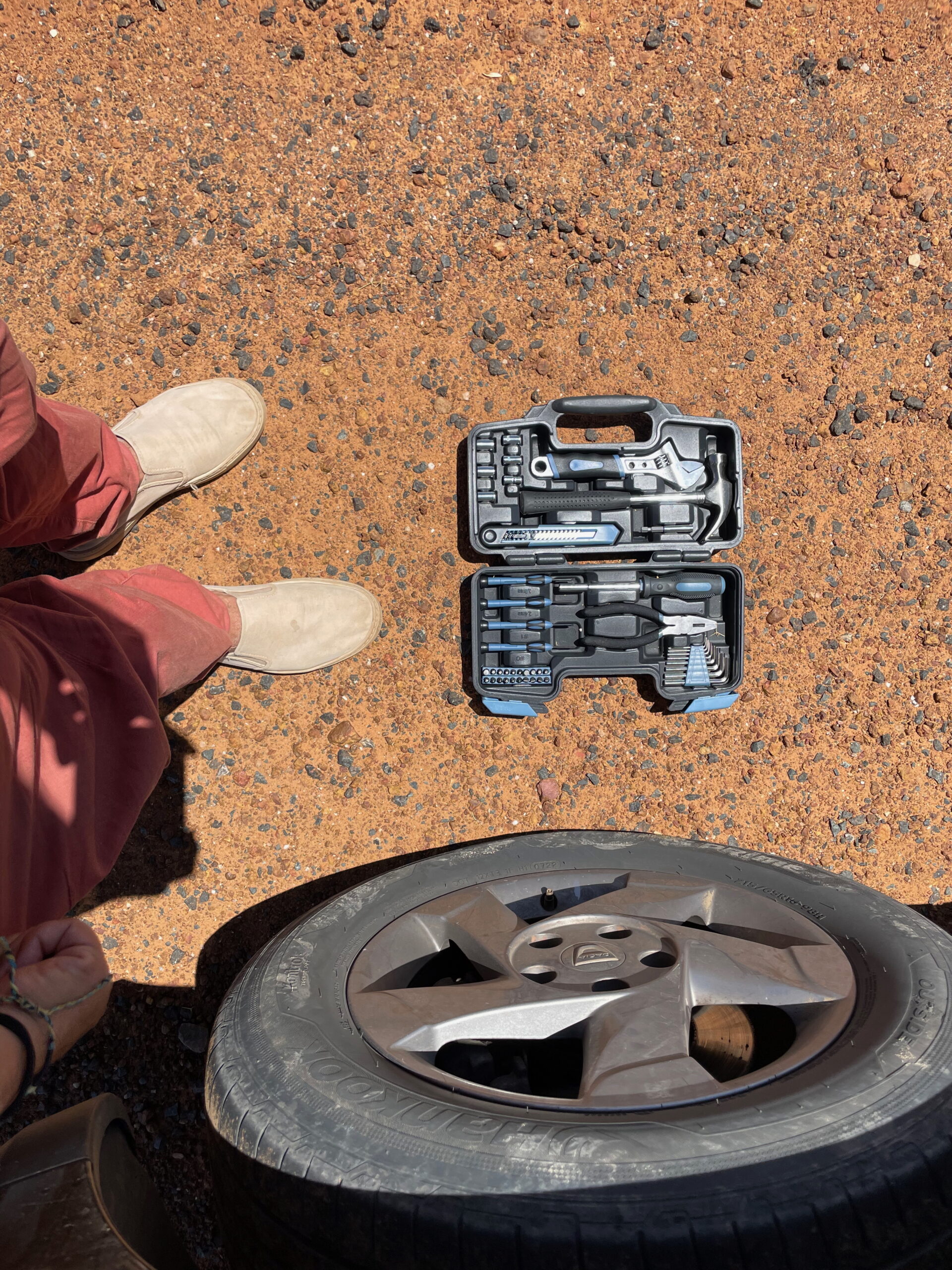
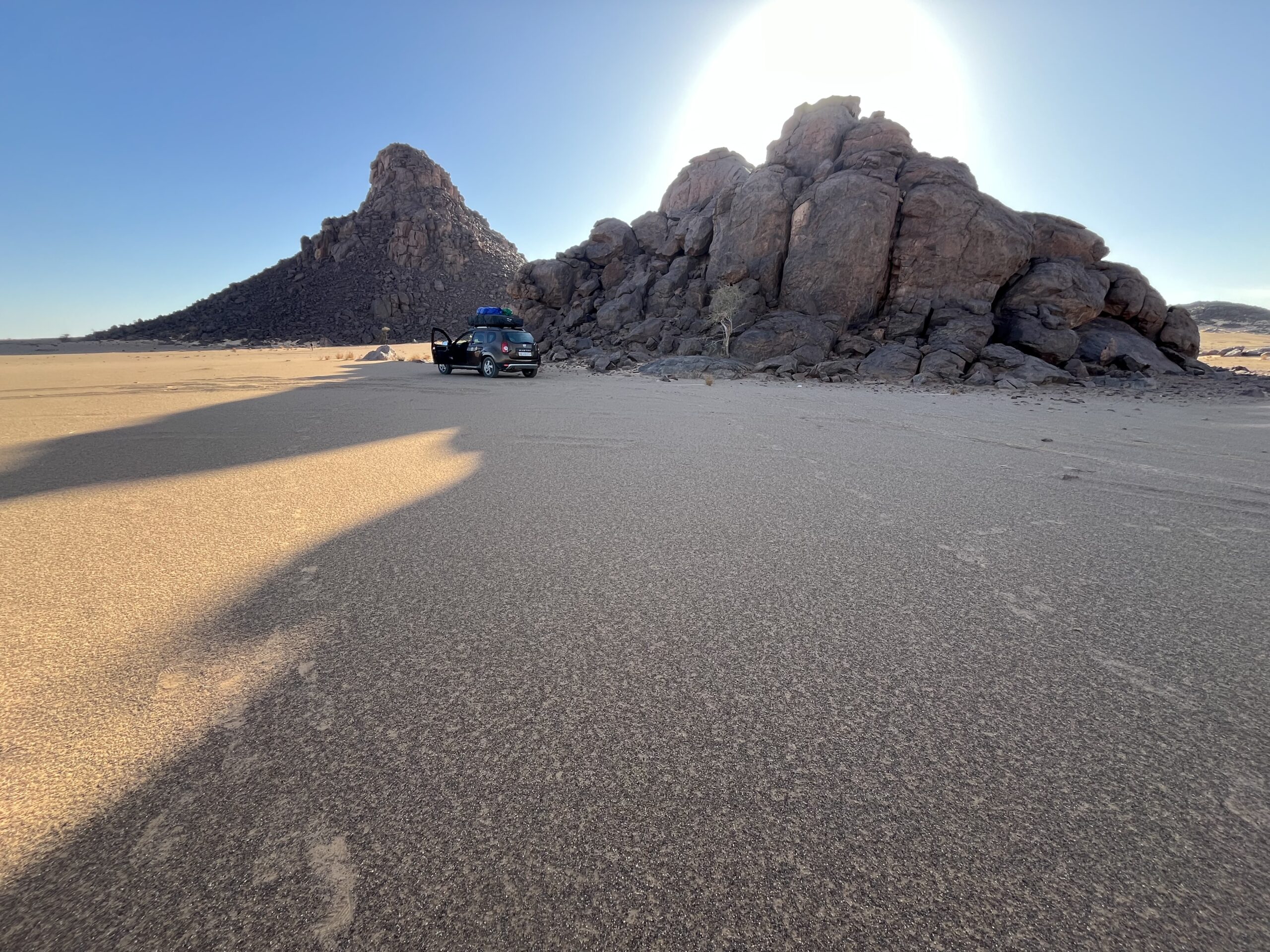
Kälte klingt fast verlockend. Doch hier ist es vor allem eines: unglaublich heiss. Tagsüber oft kaum auszuhalten. Umso wertvoller sind die wenigen Oasen. Orte zum Durchatmen, zum Abkühlen, zum kurzen Innehalten. Doch sie sind selten. Und oft nur über schwierige Pisten erreichbar – nicht immer geeignet für unseren kleinen Duster. Einmal versuchen wir, abseits der Piste unter einem Akazienbaum unser Nachtlager aufzuschlagen. Keine gute Idee. Nach wenigen Metern bleiben wir im tiefen Sand stecken. Also: graben, schieben, schwitzen. Mehrere Anläufe später haben wir es geschafft. Zurück auf festem Boden. Müde, voller Sand – aber auch erleichtert. Unser kleiner „Duster Racer“ hat sich wieder befreit.
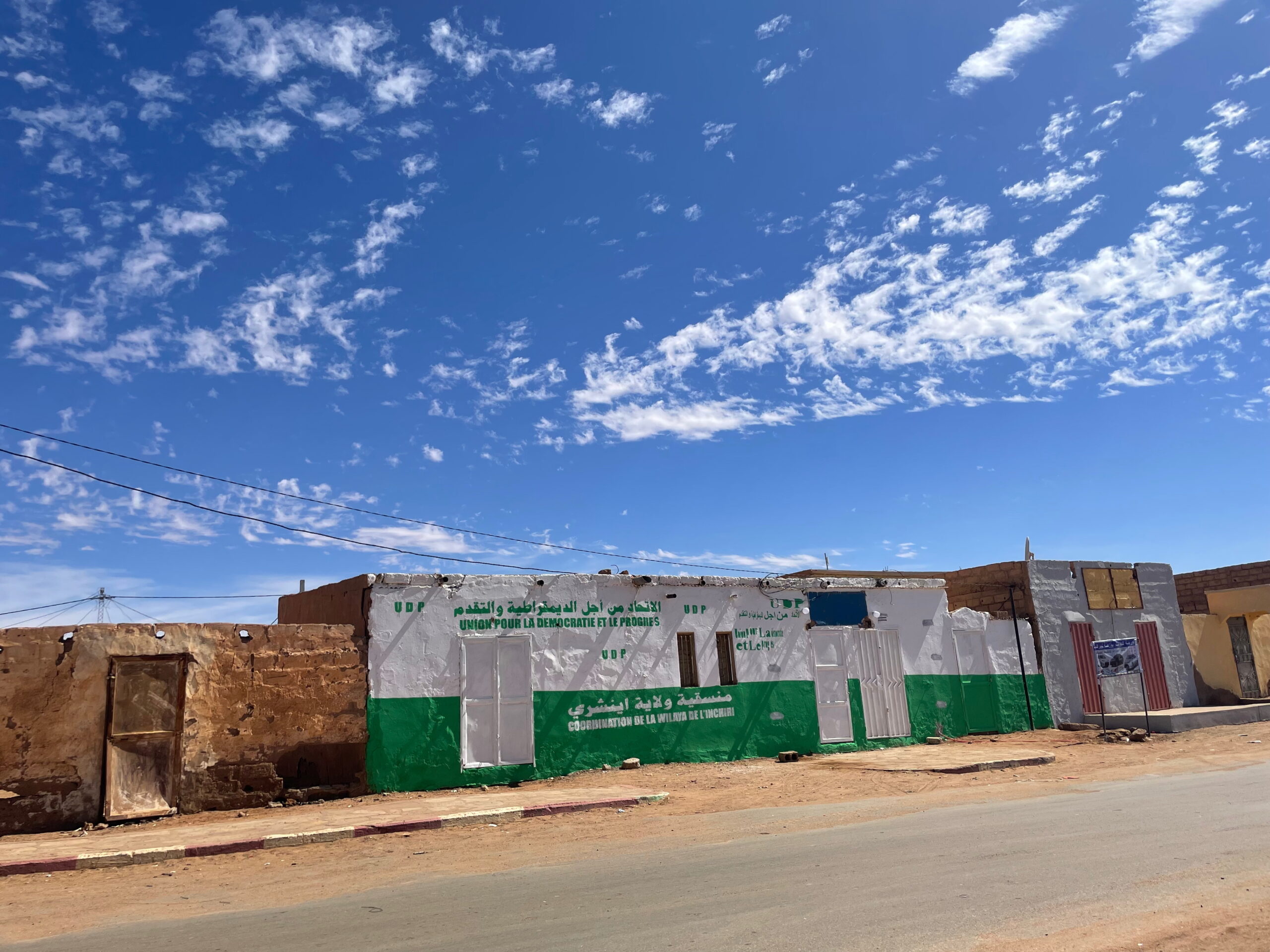
So unterschiedlich die Landschaft ist, so besonders sind auch die Menschen hier. Eine stark muslimisch geprägte Kultur, in der Religion eine zentrale Rolle spielt und viele gesellschaftliche Strukturen prägt. Dennoch erleben wir die Menschen als freundlich, zurückhaltend, aber offen – besonders, wenn man selbst den ersten Schritt macht.
Von all dem – und noch viel mehr – erzählen wir euch im nächsten Abschnitt.
⸻
Mauritania – a country shaped by its long Atlantic coastline, but even more by the vast seas of desert stretching across its interior.
At first, the landscape still shows a touch of green. But very soon it changes its appearance. Colours fade, and what remains is a scenery of steppe, sand, and scattered acacia trees. Among them move donkeys – and more and more often, dromedaries. The further north we travel, the more the land turns into an endless desert. Barren, vast, almost unreal. Both fascinating and slightly intimidating. It is hard to imagine how people live here, how they build a life from such harsh ground. And yet, they do. For us, just passing through, it is deeply impressive.
The sky feels immense here – wide, endless.
We spend our first nights wild camping, sleeping in our rooftop tent and a small mosquito tent. It’s something we all truly enjoy. Especially the children – digging, playing, disappearing into the sand dunes. Some places feel completely deserted. Silent. Almost unreal in their emptiness. Further north, closer to mining areas, the scenery changes again. Copper, gold and iron ore are extracted here. A gigantic train transports these resources across the desert to the Atlantic – the legendary Mauritania Iron Ore Train.
A powerful symbol of this country’s extremes. Some of the few travellers we meet are chasing the adventure of riding this train – even though it is now officially forbidden. Twelve hours on open wagons, exposed to wind, dust and cold.
Cold almost sounds appealing. But here, it is mainly one thing: incredibly hot. During the day, almost unbearable.
That makes the rare oases even more precious. Places to breathe, to cool down, to pause. But they are scarce and often difficult to reach – not always accessible for our small Duster. At one point, we try to leave the track to camp under an acacia tree. Not a good idea. After just a few metres, we get stuck in deep sand. So: digging, pushing, sweating. After several attempts, we finally make it back onto solid ground. Exhausted, sandy – but relieved. Our little “Duster Racer” finds its grip again.
As diverse as the landscapes are, so are the people. A strongly Muslim culture, where religion plays a central role and shapes daily life. Yet we experience people as warm, reserved but open – especially when we take the first step.
We will share more about this – and much more – in the next chapter.
⸻
La Mauritanie – un pays marqué par sa longue côte atlantique, mais surtout par ses immenses mers de désert à l’intérieur des terres.
Au début, le paysage est encore légèrement vert. Mais très vite, il change. Les couleurs s’effacent, laissant place à une étendue de steppe, de sable et d’acacias isolés. On y croise des ânes – et de plus en plus de dromadaires.
Plus nous avançons vers le nord, plus le paysage devient un désert infini. Aride, vaste, presque irréel. À la fois fascinant et un peu intimidant. Il est difficile d’imaginer comment on peut vivre ici, comment construire une existence sur une terre si dure. Et pourtant, c’est le cas. Pour nous, simples voyageurs, c’est profondément impressionnant.
Le ciel semble immense – sans fin.
Nous passons nos premières nuits en bivouac, dans notre tente de toit et une petite tente moustiquaire. Une expérience que nous apprécions tous énormément. Les enfants surtout – ils creusent, jouent, explorent les dunes. Certains endroits semblent totalement abandonnés. Silencieux. Presque irréels dans leur vide. Plus au nord, près des zones minières, le paysage change encore. On y exploite le cuivre, l’or et le minerai de fer. Un train gigantesque transporte ces ressources à travers le désert jusqu’à l’Atlantique – le célèbre train du minerai de fer en Mauritanie.
Un symbole frappant des contrastes du pays. Certains voyageurs que nous rencontrons cherchent l’aventure en montant à bord de ce train – même si cela est aujourd’hui interdit. Douze heures sur des wagons ouverts, exposés au vent, à la poussière et au froid.
Le froid semble presque attirant. Mais ici, c’est surtout la chaleur qui domine – parfois presque insupportable.
Les rares oasis deviennent alors précieuses. Des lieux pour respirer, se rafraîchir, faire une pause. Mais elles sont rares et souvent difficiles d’accès – pas toujours atteignables avec notre petit Duster. Un jour, nous essayons de quitter la piste pour camper sous un acacia. Mauvaise idée. Après quelques mètres, nous restons bloqués dans le sable. Alors : creuser, pousser, transpirer. Après plusieurs tentatives, nous retrouvons enfin un sol plus stable. Fatigués, couverts de sable – mais soulagés. Notre petit « Duster Racer » retrouve son adhérence.
Aussi variés que les paysages, les gens le sont également.
Une culture profondément musulmane, où la religion joue un rôle central. Pourtant, nous rencontrons des personnes chaleureuses, réservées mais ouvertes – surtout lorsqu’on fait le premier pas.
Nous vous en dirons plus – et bien davantage – dans le prochain chapitre.