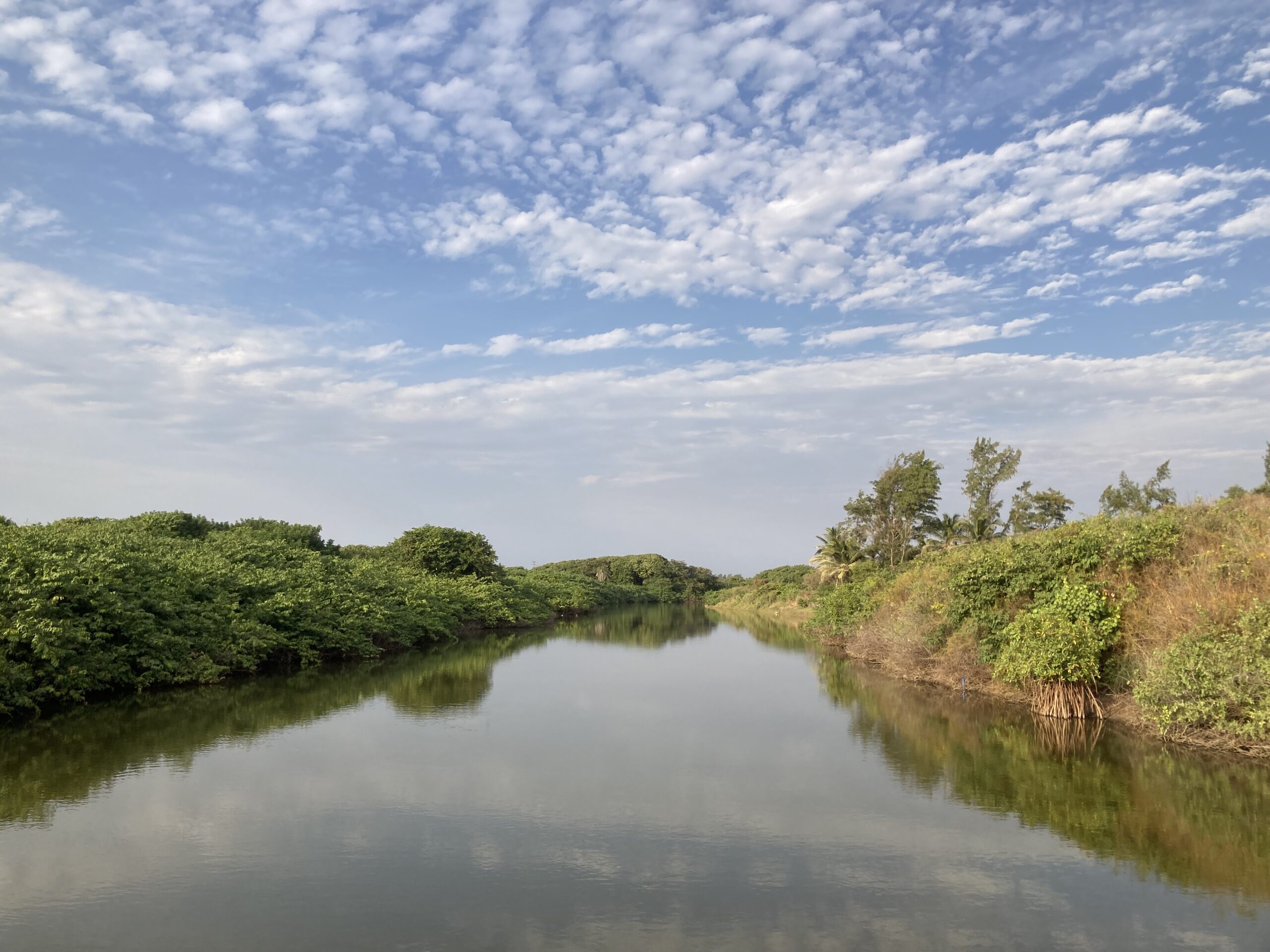
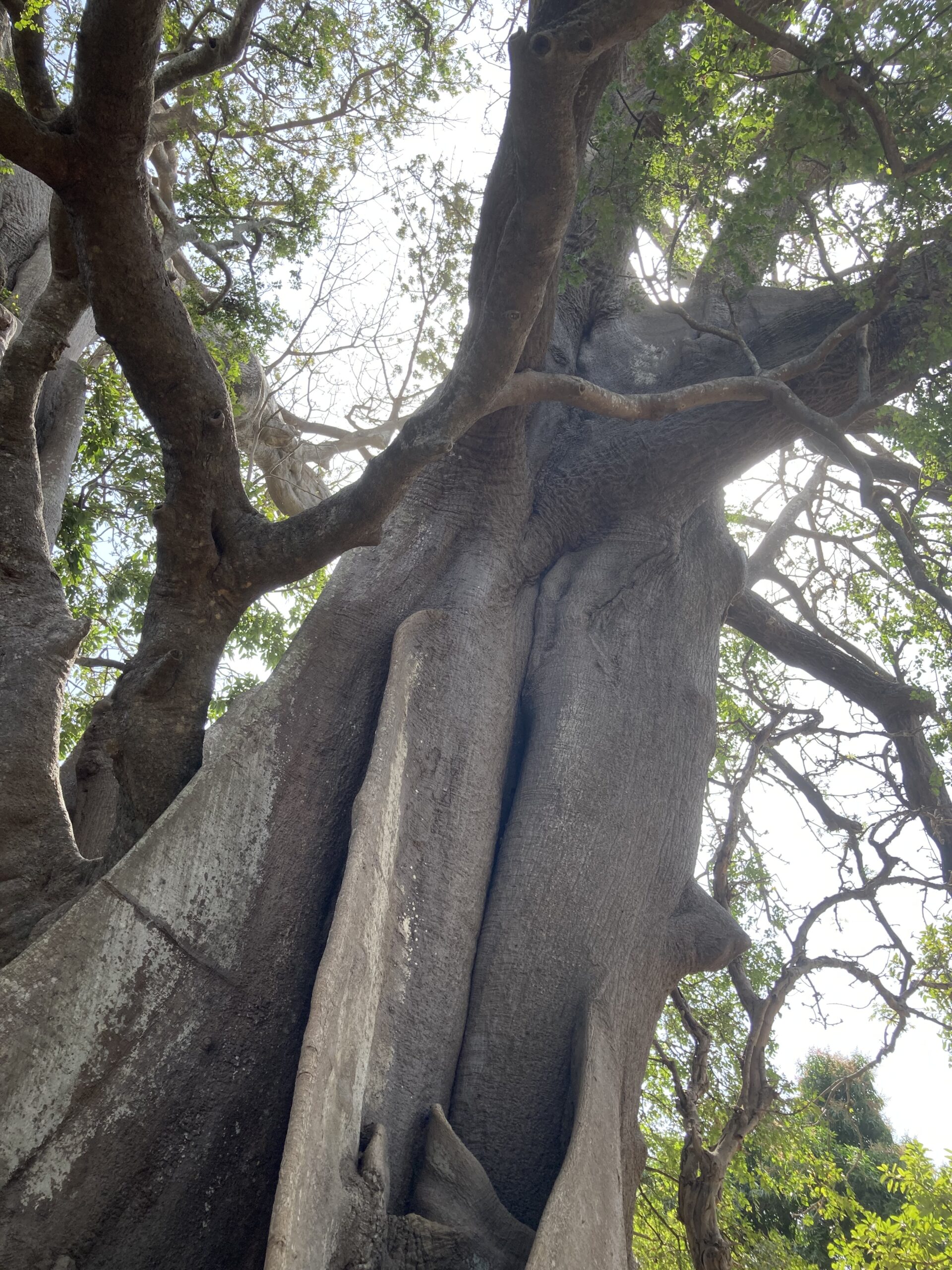
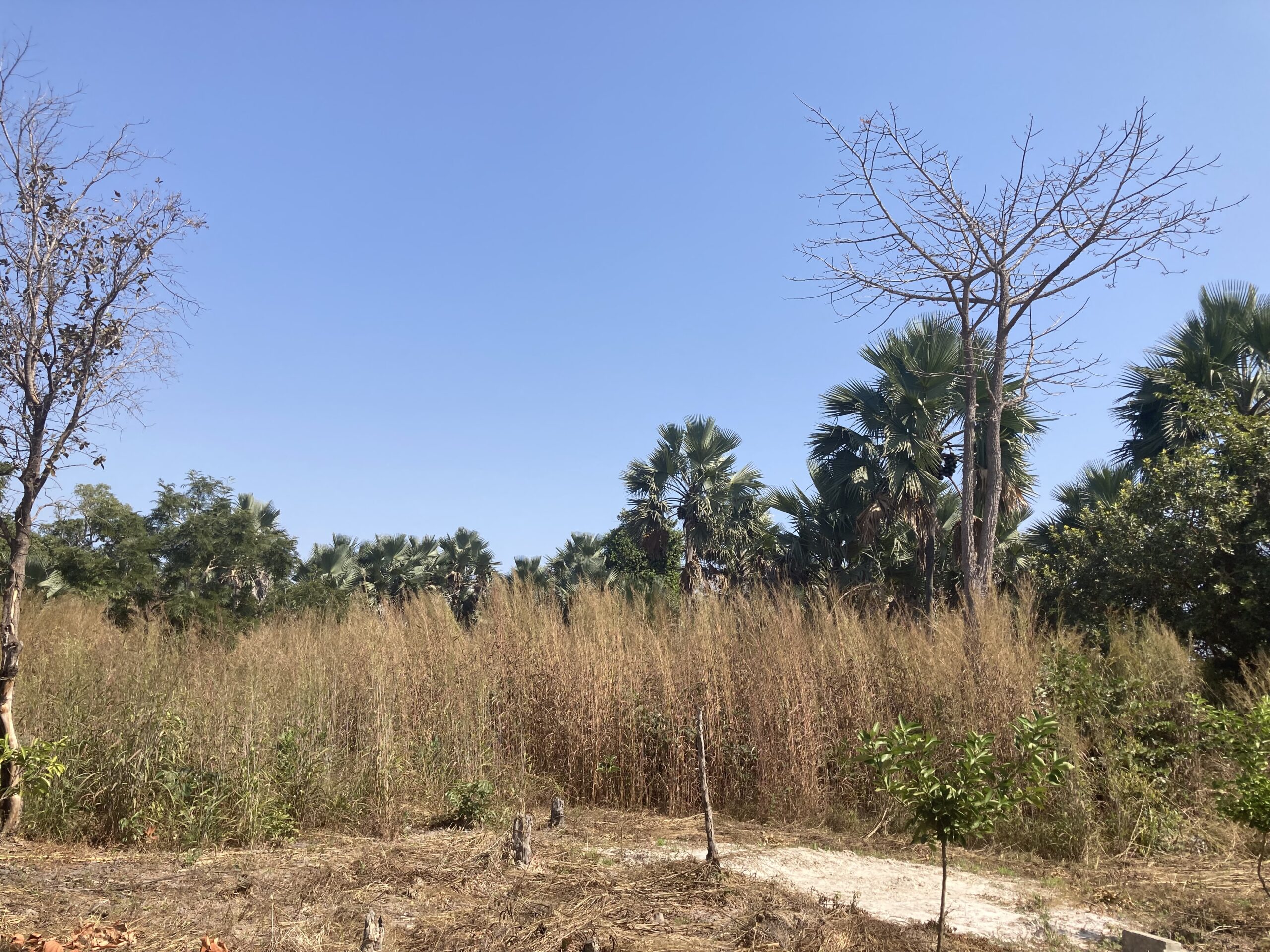
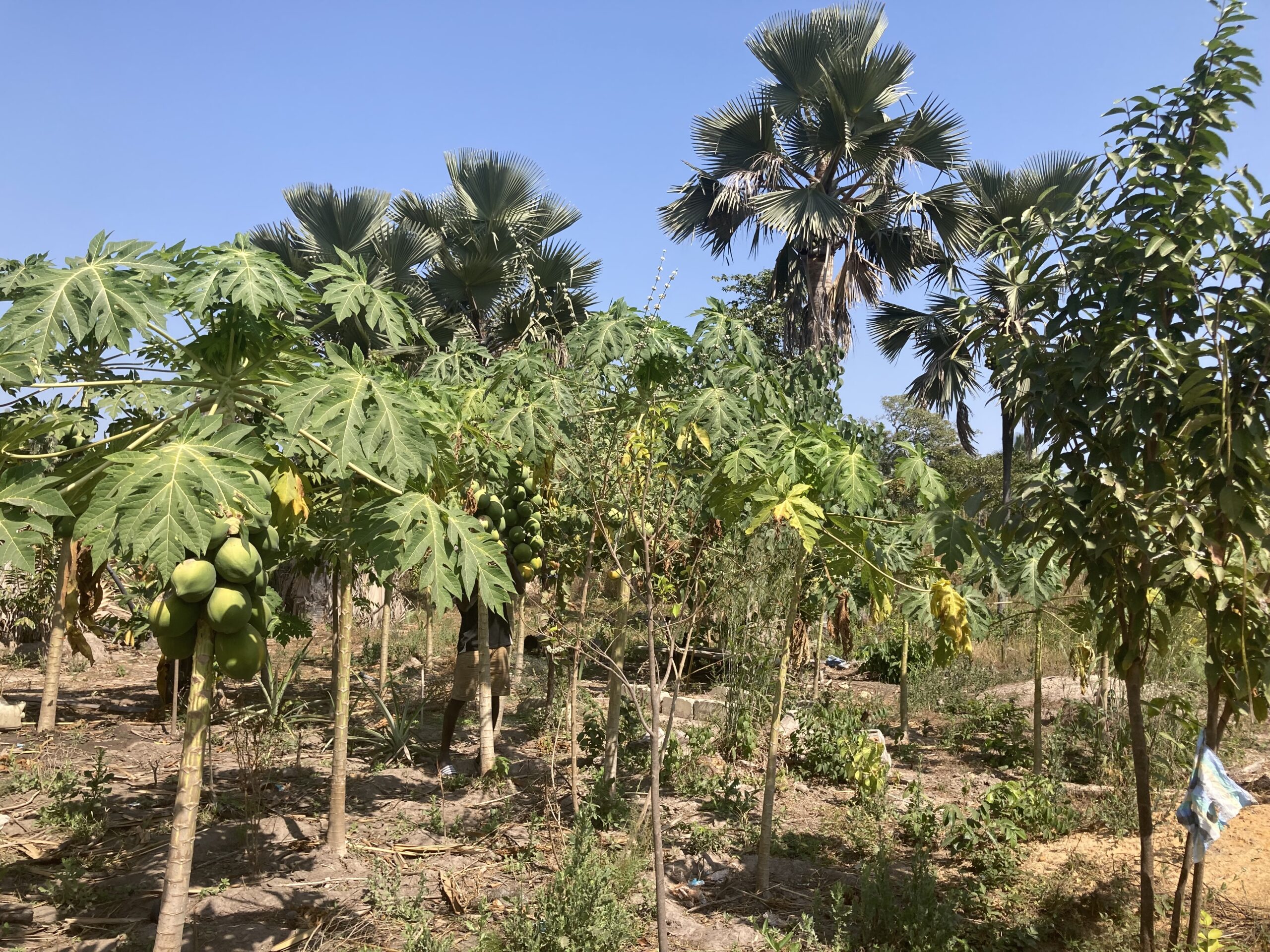
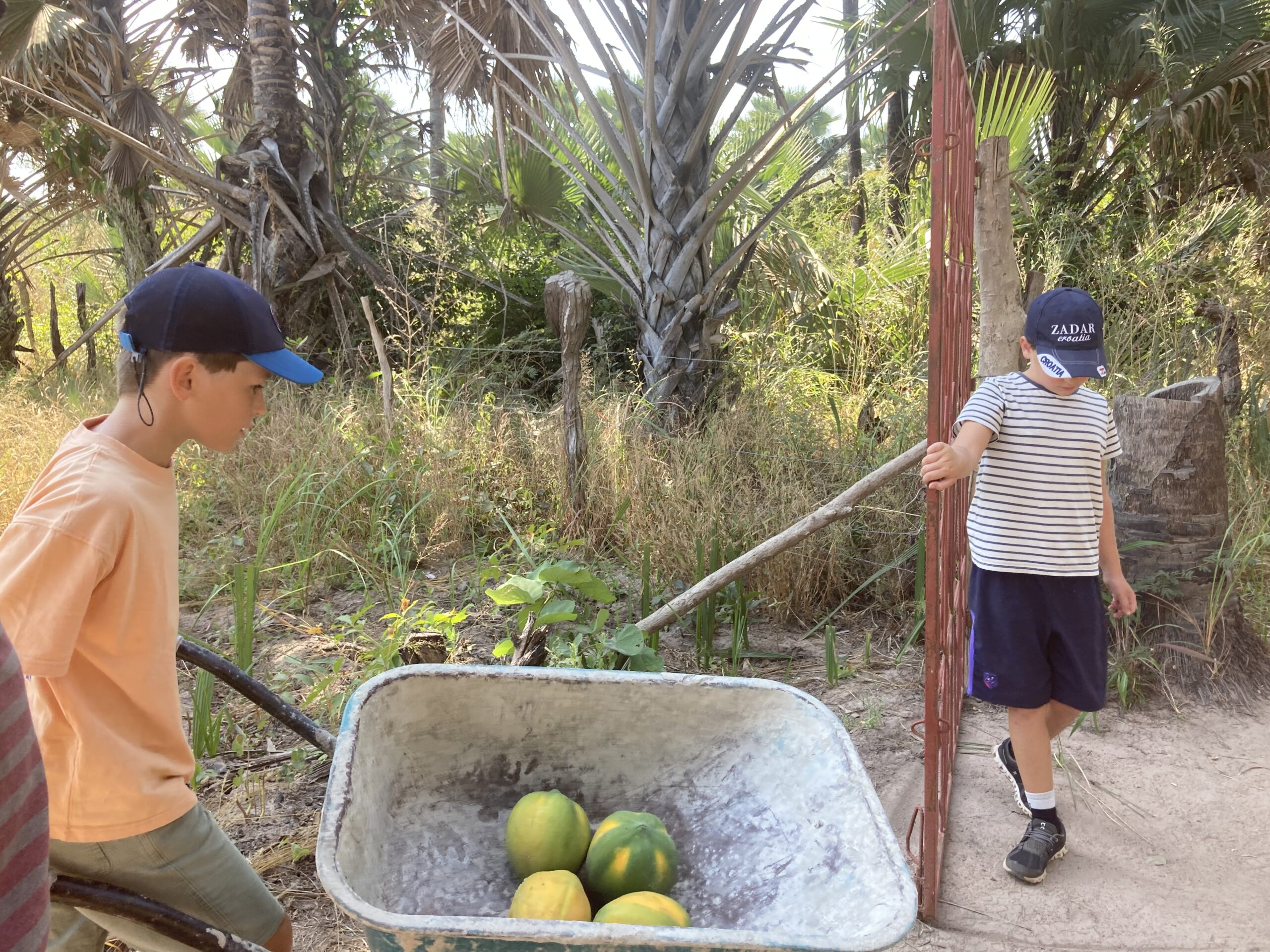
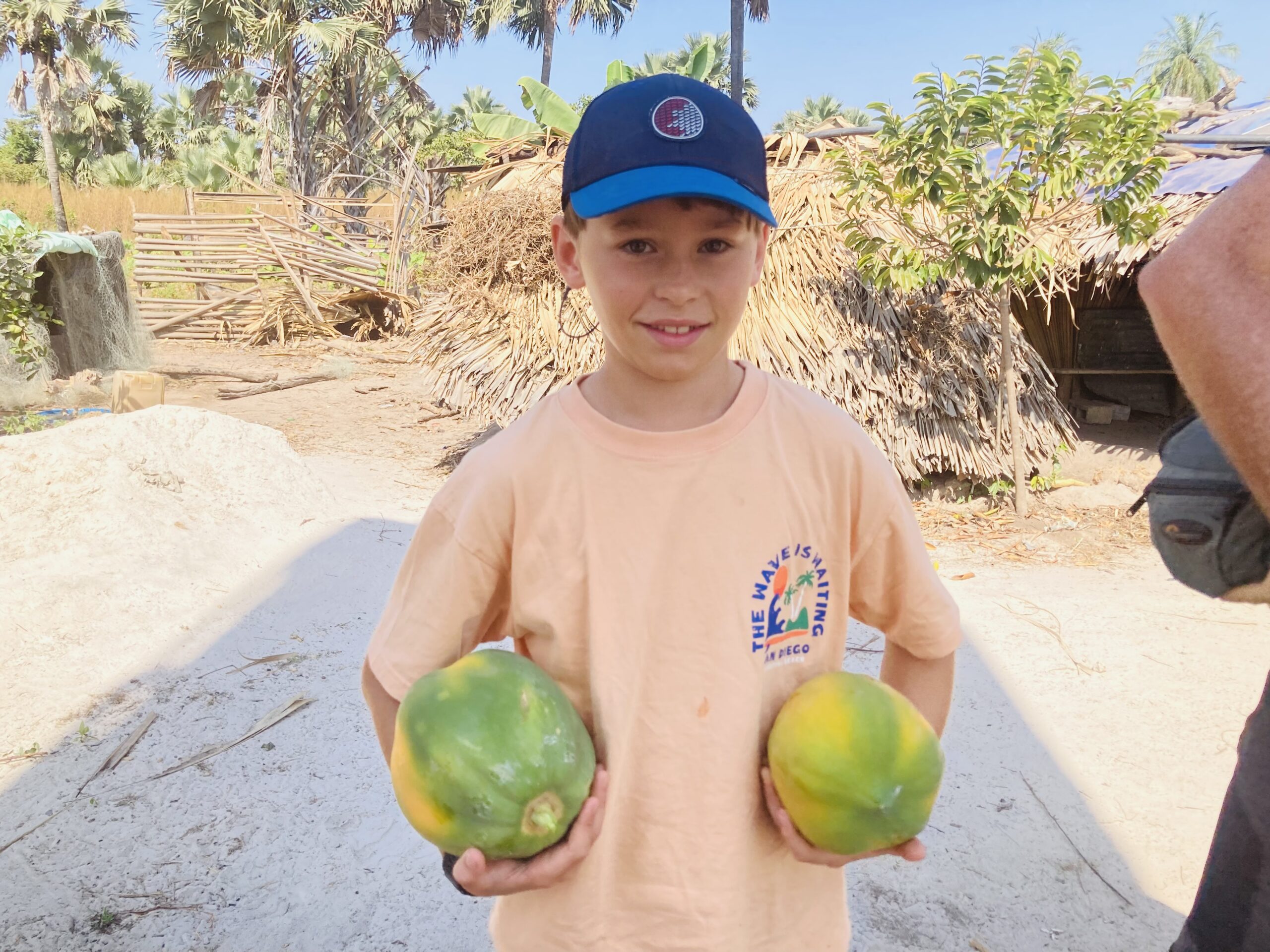
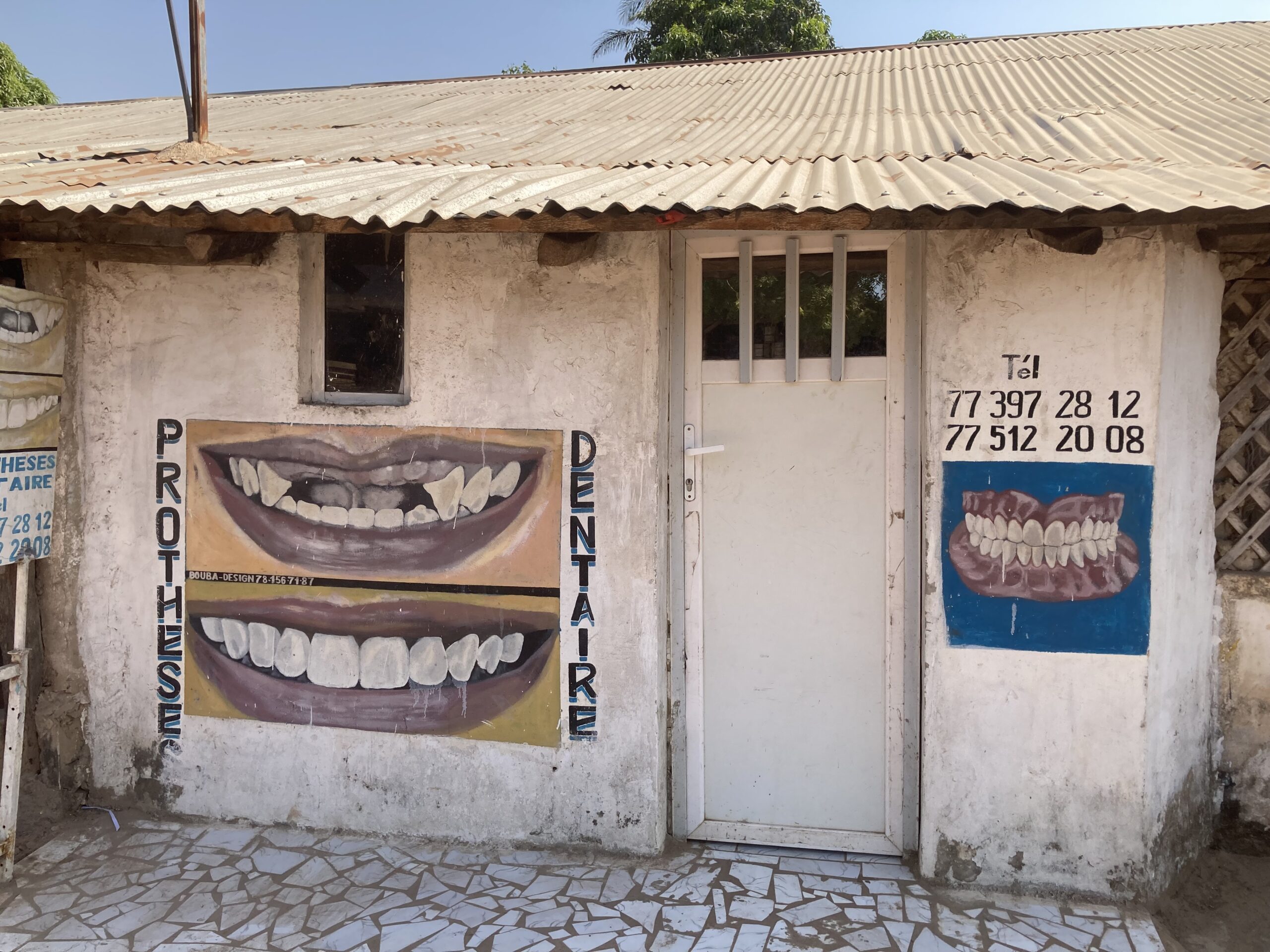
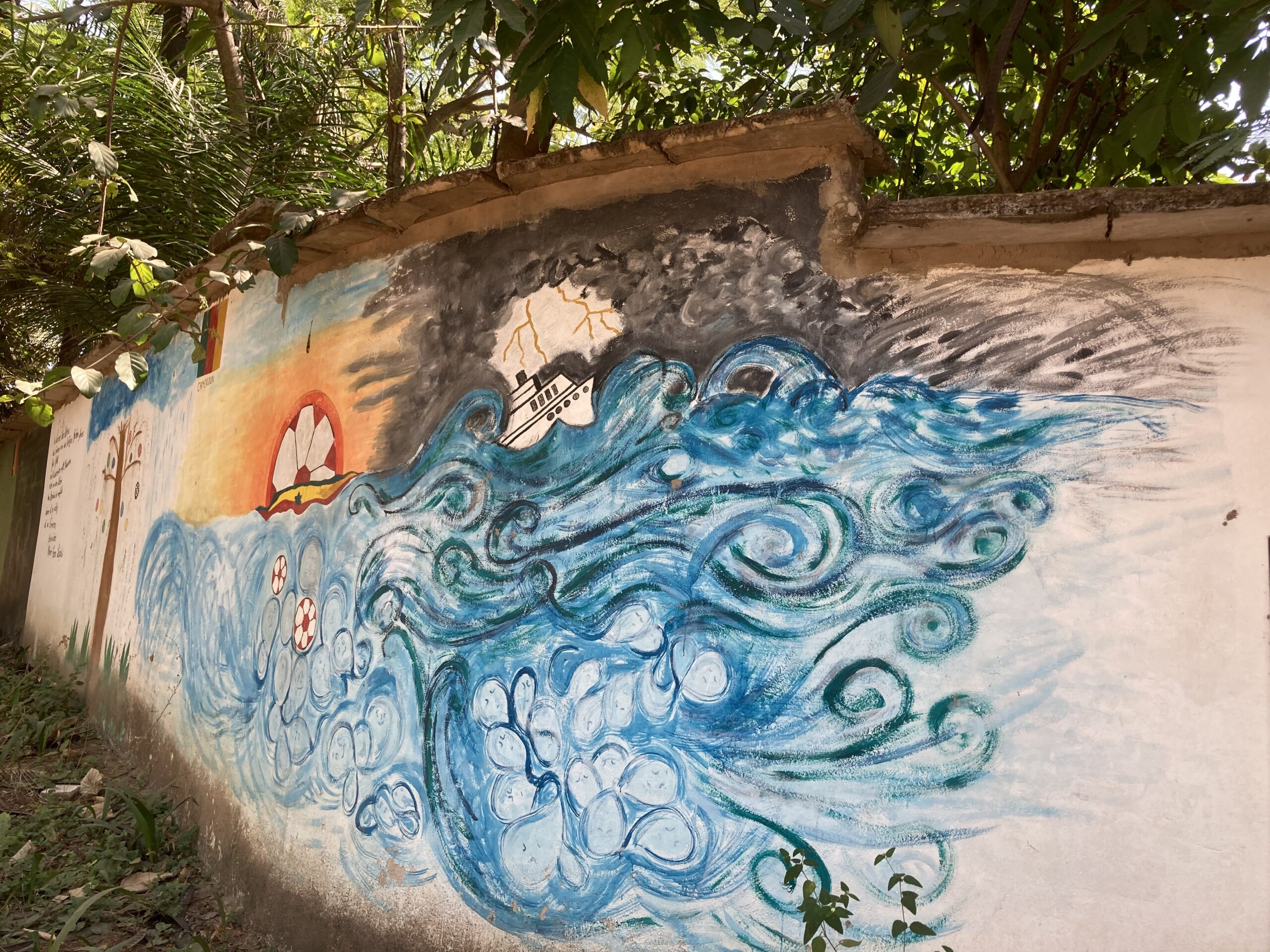
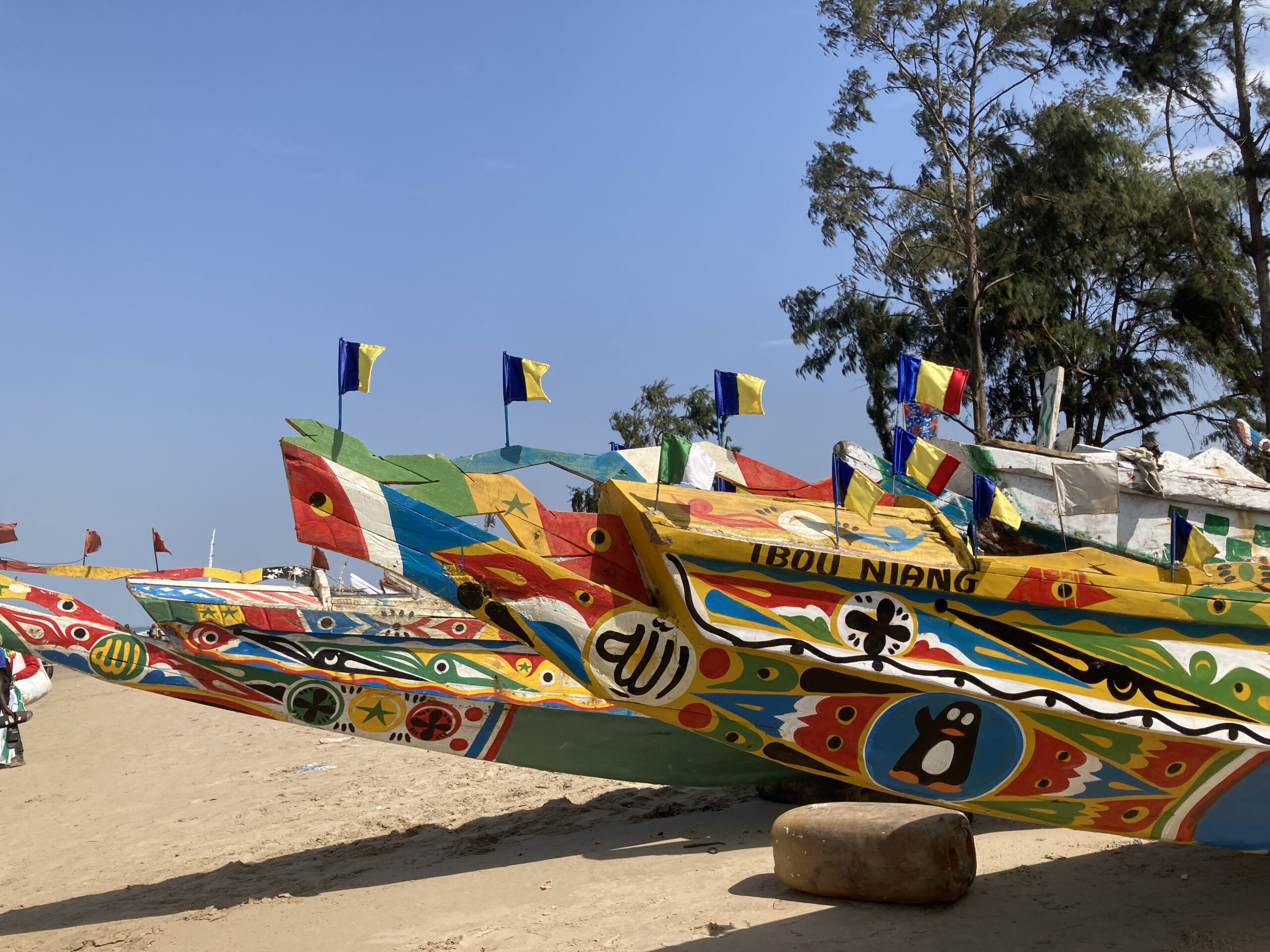
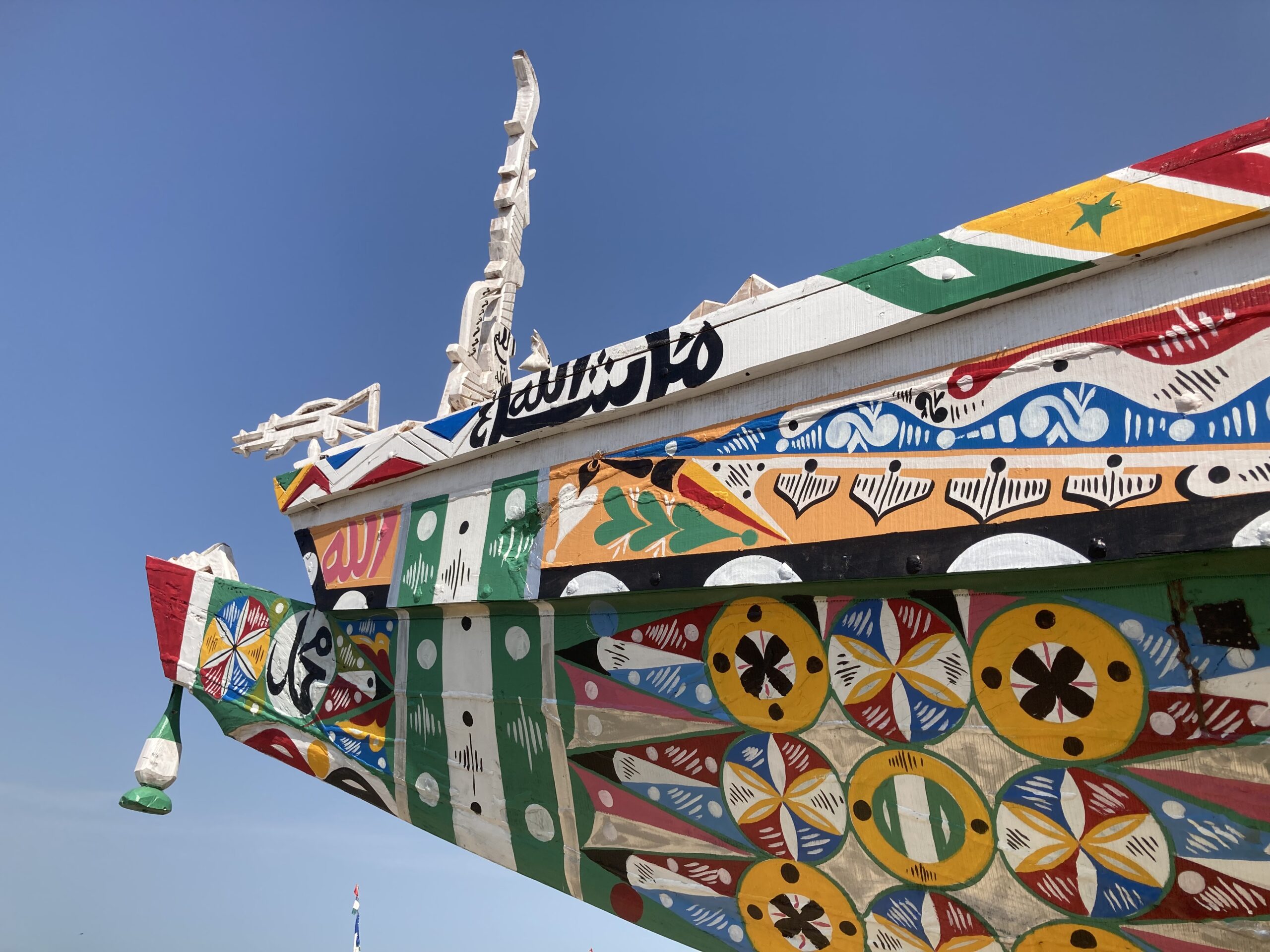
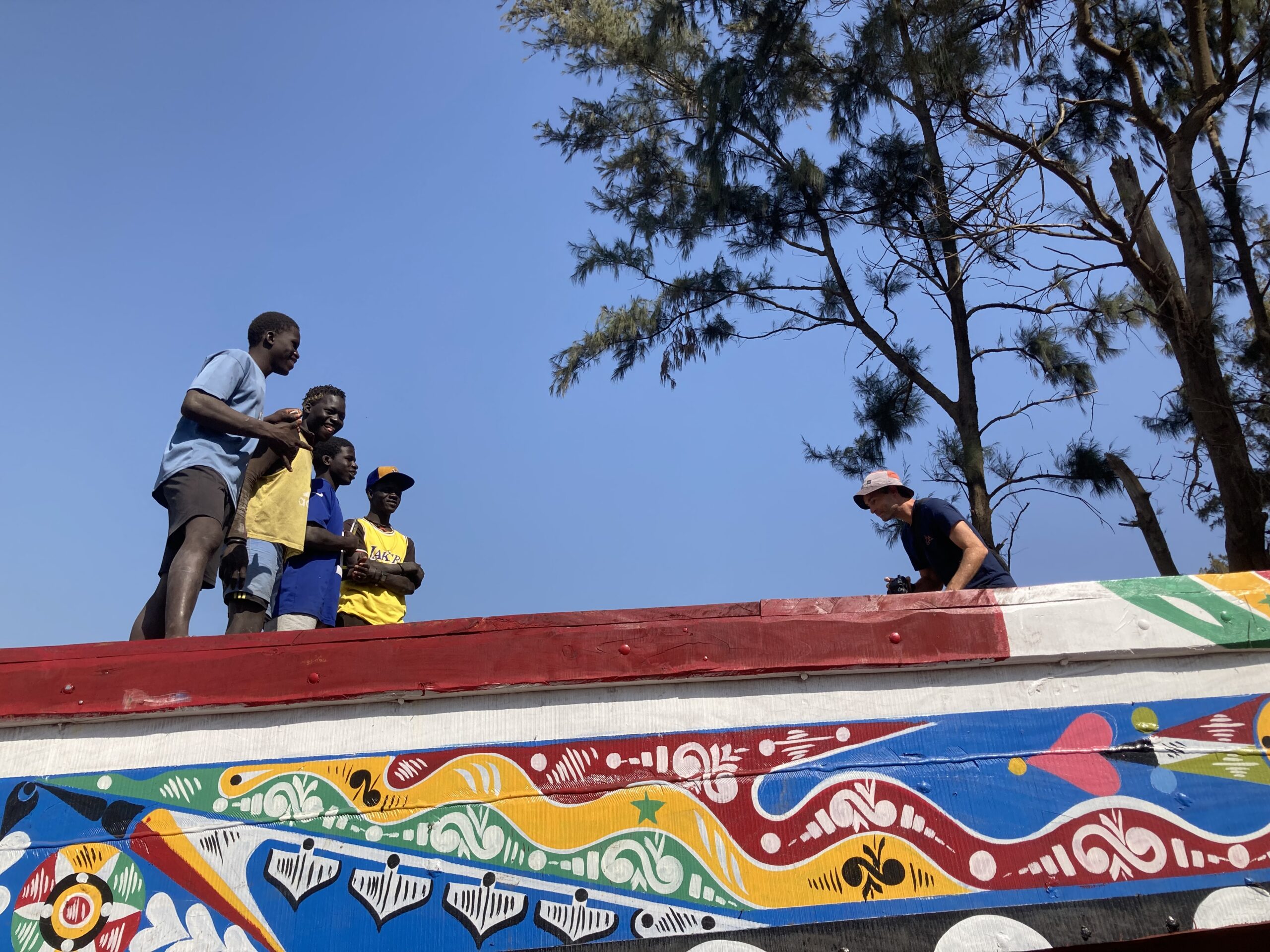
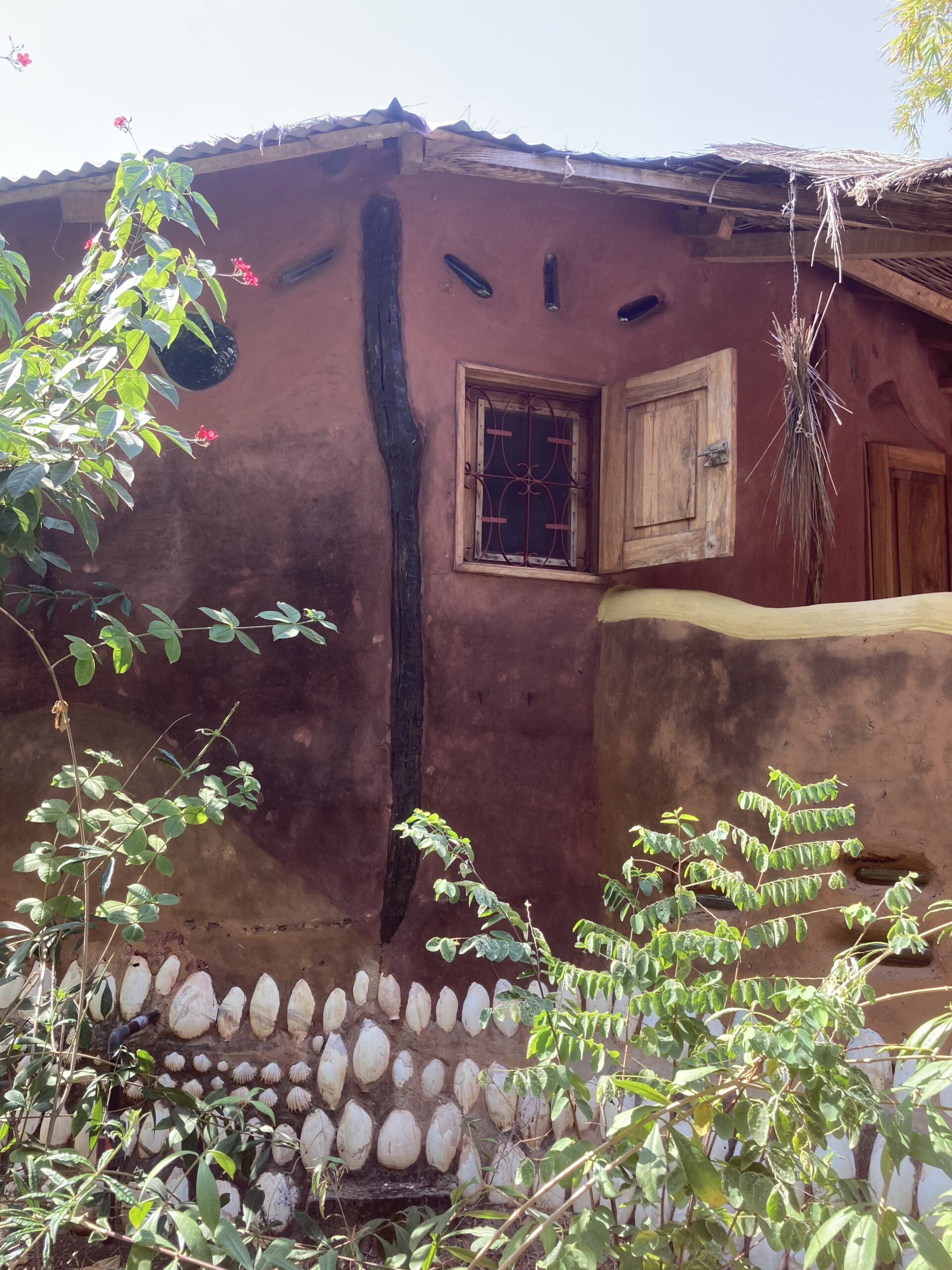
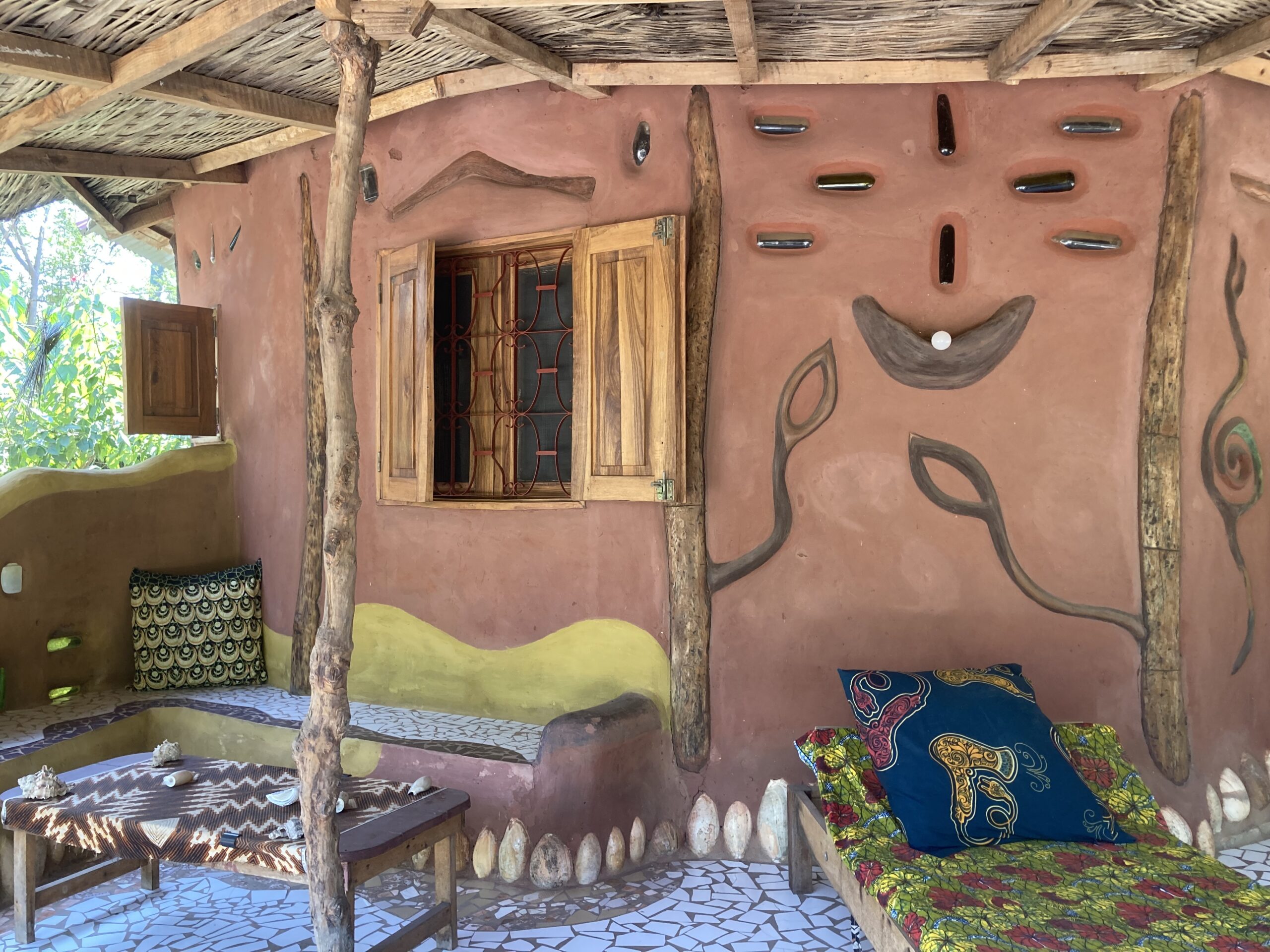
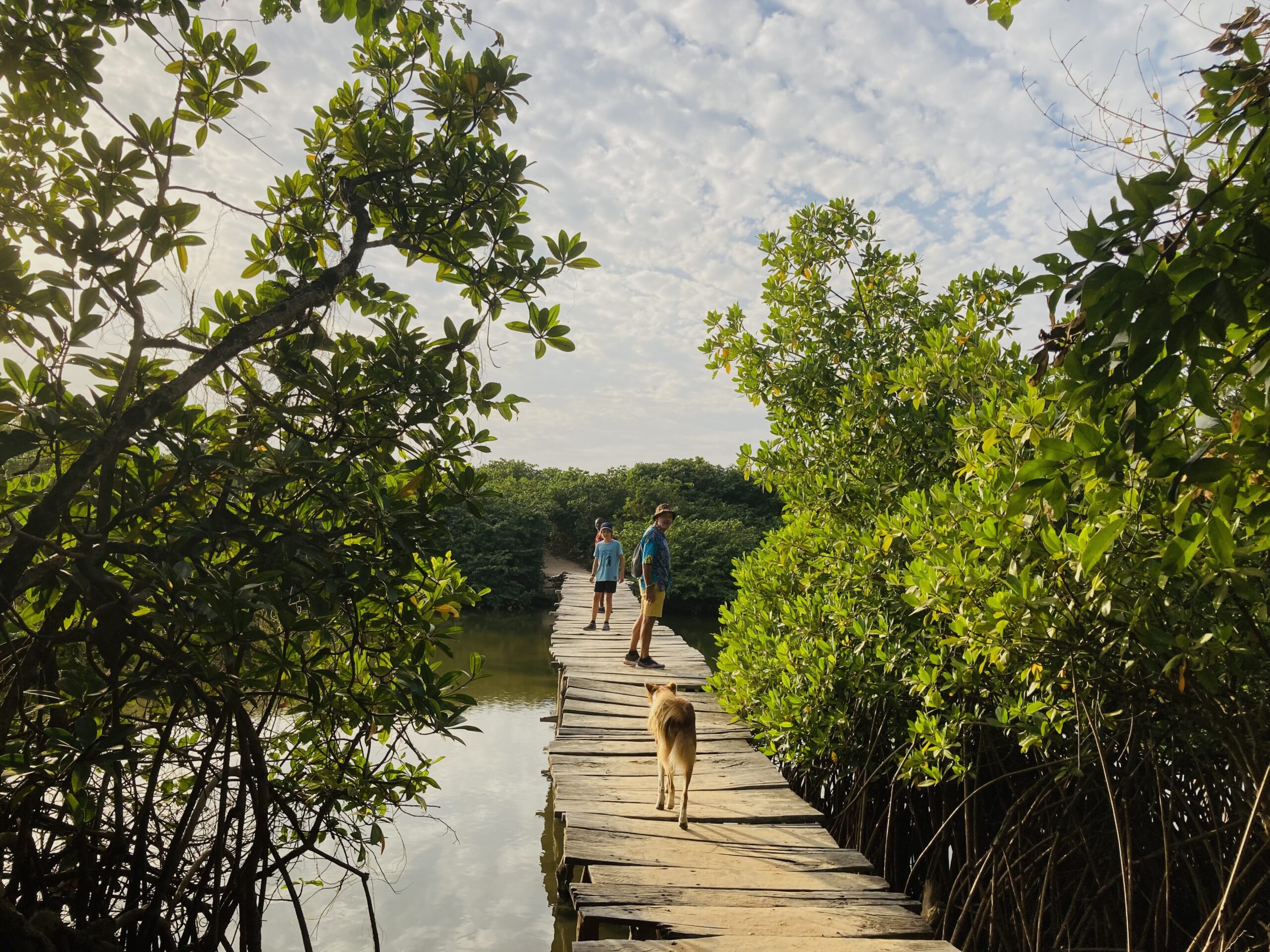
Wie so oft auf Reisen zeigt sich auch hier ein Land voller Gegensätze. Wundervolle Menschen, eine schöne Natur, eindrückliche Landschaften – und viele Kontraste, auch kultureller Art.
Die Menschen hier sind sehr offen, herzlich und hilfsbereit. Es herrscht eine angenehme, freundliche Stimmung, und man wird überall unterstützt. Gleichzeitig gibt es Momente, die fast etwas befremdlich wirken. Zum Beispiel, wenn ich in einem sehr europäischen Supermarkt – dem einzigen weit und breit, frequentiert vor allem von europäischen, sogenannten Toubabs – von einem einheimischen Mann, der offensichtlich noch nie zuvor in einem solchen Laden war, ganz genau instruiert werde, wo ich meinen Einkauf hinstellen soll und wie viel ich zu bezahlen habe 🤪. Das ist nur ein kleines Beispiel. Manchmal komme ich mir tatsächlich so vor, als hätte ich überhaupt keine Ahnung. Und manchmal stimmt das ja auch.
Vieles hier ist für uns schwer greifbar: die Geschichten rund um Geisterwesen, die für Recht und Ordnung sorgen sollen, die Kukulu-Figuren, die verkleidet auftreten und Respekt einfordern. Die Angst vieler Menschen vor diesen mystischen Gestalten ist real – ebenso die Sorge, sich durch falsches Verhalten einen bösen Zauber zuzuziehen, besonders wenn einflussreiche Personen nicht einbezogen oder respektiert werden.
Ebenso schwer verständlich ist für mich der häufig spürbare Fatalismus, wenn es darum geht, Dinge zu verändern: bei korrupten Polizisten oder Grenzbeamten, bei der Überfischung geschützter Naturreservate oder bei ausbeuterischen Geschäften mit reichen Einheimischen oder noch mächtigeren chinesischen Firmen. Auch der allgegenwärtige Abfall, der vielerorts die Landschaft zu verschlingen droht, scheint oft einfach hingenommen zu werden – als könne man ohnehin nichts dagegen tun.
Demgegenüber stehen viele engagierte und innovative Senegalesinnen und Senegalesen. Menschen, die etwas aufbauen, die sich dafür einsetzen, dass Umweltauflagen bei grossen Projekten berücksichtigt werden. Die darauf bestehen, dass Entwicklung nur dann sinnvoll ist, wenn auch die lokale Bevölkerung davon profitiert. Mit Mut und Tatkraft versuchen sie hier, in diesem doch recht abgelegenen Teil der Casamance, etwas zu bewegen.
Das reicht von Tierarztpraxen über Ausbildungsstätten für Automechaniker bis hin zu Menschen, die sich für Schulen engagieren oder kulturelle Projekte unterstützen, um die Traditionen und das Wissen der lokalen Volksstämme zu bewahren.
⸻
Was unsere Kinder sehen
Interessant – und für uns ebenso lehrreich – ist auch, was unsere Kinder hier sehen und erleben. Im täglichen Umgang mit den anderen Kindern merken sie schnell, dass Konflikte häufiger mit Schubsen oder Schlagen ausgetragen werden. Grössere massregeln die Kleineren ganz selbstverständlich. Gleichzeitig wird den Kindern hier sehr viel zugetraut.
Die Familie – und damit sind wirklich alle gemeint, die dazugehören: Verwandte, der Gärtner, enge Nachbarn – hält eng zusammen und unterstützt sich gegenseitig. Wer gerade da ist, gehört dazu. Auch externe Arbeiter oder Besuch essen selbstverständlich mit. Es wird viel gelacht, es herrscht Lebendigkeit – und gleichzeitig wird viel Disziplin eingefordert. Kinder und Jugendliche haben zu gehorchen. Körperliche Strafen sind nichts Ungewöhnliches. Neugier oder viele Fragen zu stellen ist nicht immer erwünscht und wird bisweilen eher gebremst als gefördert.
Auch im Umgang mit Tieren erleben unsere Kinder grosse Unterschiede. Tiere sind hier in erster Linie Nutztiere. Tierwohl im westlichen Sinn spielt eine untergeordnete Rolle. Gleichzeitig beobachten sie im engen familiären Zusammenleben viel Herzlichkeit, Nähe und Fürsorge unter den Menschen – ein starkes Miteinander, das sie beeindruckt.
Sie nehmen wahr, wie ähnlich sie den anderen Kindern in vielem sind – im Lachen, im Spielen, in der Freude am Zusammensein. Und sie merken ebenso die Unterschiede. Sie sind dankbar für ihre Schulbücher und ihr Lernen, weil sie spüren, dass sie ermutigt werden, selbst zu denken, Fragen zu stellen und eigene Lösungen zu entwickeln, statt vor allem auswendig zu lernen.
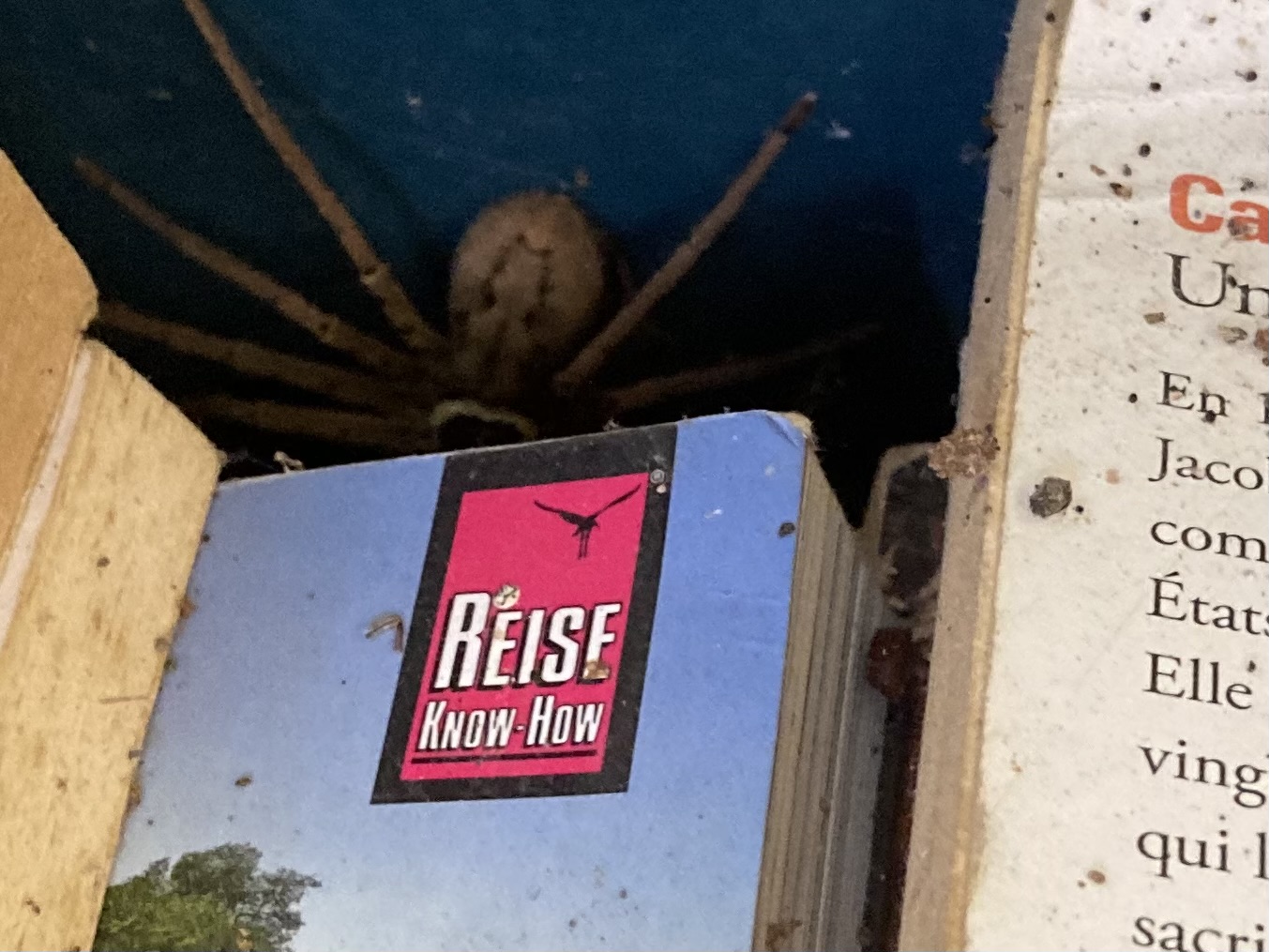
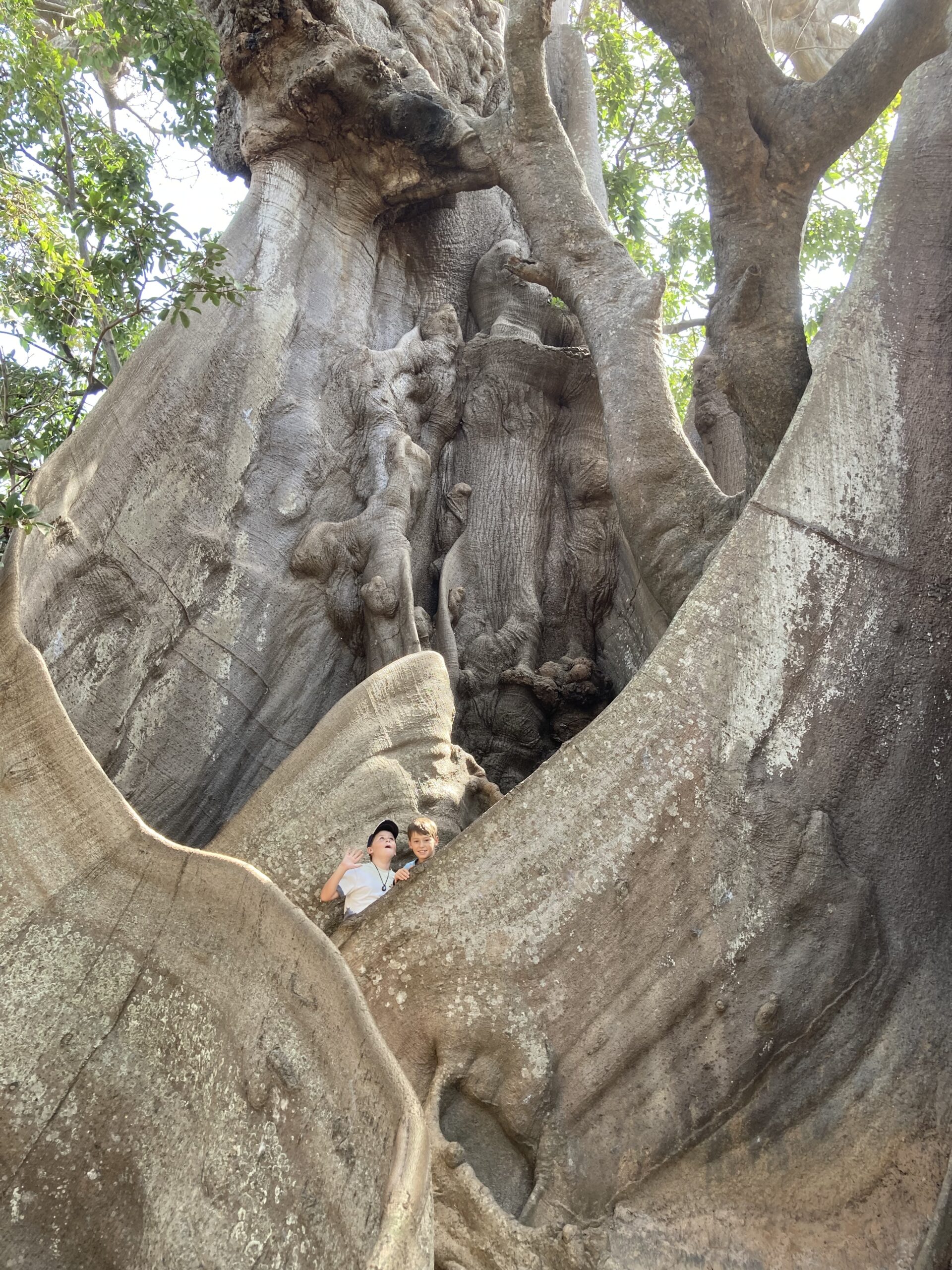
Am meisten aber geniessen sie die Begegnungen mit der einheimischen Tierwelt, das freie Draussensein, das Abenteuer im Alltag. Und sie finden – trotz allem – vieles hier einfach sehr schön.
⸻
Und genau das macht dieses Land für uns so besonders. Es ist faszinierend und schön, intensiv und voller Leben. Es ist inspirierend und manchmal auch erschreckend, stellenweise befremdlich – und immer wieder berührend und traurig zugleich.
Vielleicht liegt gerade in diesen Gegensätzen seine Kraft: darin, dass es uns herausfordert, unsere eigenen Selbstverständlichkeiten zu hinterfragen, genauer hinzuschauen und zuzuhören. Senegal ausserhalb unseres geschützten Compounds ist kein einfaches Bild – aber ein echtes.
⸻
English
As so often when travelling, this country reveals itself as a land of contrasts. Wonderful people, beautiful nature, impressive landscapes – and many cultural differences.
The people here are open, warm and helpful. There is a pleasant friendliness in daily life, and support is offered almost everywhere. At the same time, there are moments that feel slightly unsettling. For example, when I stand in a very European-style supermarket – the only one far and wide, frequented mainly by Europeans, the so-called toubabs – and a local man, who has obviously never been in such a shop himself, explains to me in great detail where I should place my groceries and how much I have to pay 🤪. It is only a small example. Sometimes I truly feel as if I have no idea at all. And sometimes that is absolutely true.
Many things here are difficult for us to fully grasp: the stories about spirits said to uphold justice and order, the Kukulu figures who appear in disguise and command respect. The fear many people have of these mystical beings is real – as is the concern of attracting bad luck or a curse if influential people are not properly included or respected.
Equally difficult for me to understand is the often noticeable fatalism when it comes to change: whether regarding corrupt police officers or border officials, the overfishing of protected nature reserves, or exploitative business dealings involving wealthy locals or even more powerful Chinese companies. The omnipresent waste that threatens to overwhelm parts of the landscape also seems to be accepted at times – as if nothing could truly be done about it.
And yet, there are many committed and innovative Senegalese people. People who build something new, who advocate for environmental regulations to be respected in large projects, who insist that development only makes sense if it benefits the local population as well. With courage and determination, they are trying to make a difference here in this rather remote part of the Casamance.
This ranges from veterinary practices to training centres for car mechanics, from individuals who invest in schools to those supporting cultural initiatives that preserve the traditions and knowledge of local communities.
⸻
What our children see
Interesting – and deeply instructive for us – is also what our children observe and experience here. In their daily interactions with other children, they quickly notice that conflicts are more often resolved with pushing or hitting. Older children discipline younger ones quite naturally. At the same time, children here are entrusted with a great deal of responsibility.
Family – and that truly includes everyone who belongs in some way: relatives, the gardener, close neighbours – stands closely together and supports one another. Whoever is present belongs. External workers or visitors are expected to eat along with everyone else. There is much laughter and liveliness – and at the same time a strong emphasis on discipline. Children and young people are expected to obey. Physical punishment is not unusual. Curiosity and asking many questions are not always encouraged and are sometimes discouraged rather than fostered.
Our children also experience significant differences in the way animals are treated. Animals are primarily livestock here. Animal welfare in the Western sense plays a minor role. At the same time, they witness great warmth, closeness and solidarity within family life – a powerful sense of togetherness that impresses them.
They recognise how similar they are to the other children in many ways – in laughter, in play, in the joy of being together. And they also perceive the differences. They are grateful for their schoolbooks and their education, because they feel encouraged to think independently, to ask questions and to develop their own solutions, rather than mainly memorising information.
Above all, they enjoy encounters with the local wildlife, the freedom of being outdoors, the sense of adventure in everyday life. And despite everything, they find much here simply beautiful.
⸻
And that is precisely what makes this country so special to us. It is fascinating and beautiful, intense and full of life. It is inspiring and sometimes unsettling, at moments unfamiliar – and again and again touching and even sad at the same time.
Perhaps its strength lies exactly in these contrasts: in the way it challenges us to question our own assumptions, to look more closely and to listen more carefully. Senegal outside our protected compound is not a simple picture – but it is a real one.
⸻
Français
Comme souvent en voyage, ce pays se révèle être une terre de contrastes. Des personnes merveilleuses, une nature magnifique, des paysages impressionnants – et de nombreuses différences culturelles.
Les gens ici sont ouverts, chaleureux et serviables. Il règne une atmosphère agréable et accueillante, et l’on reçoit de l’aide presque partout. En même temps, certaines situations peuvent sembler légèrement déroutantes. Par exemple, lorsque je me trouve dans un supermarché très européen – le seul à des kilomètres à la ronde, fréquenté surtout par des Européens, les toubabs – et qu’un homme local, qui n’a visiblement jamais fait ses courses dans un tel magasin, m’explique en détail où déposer mes achats et combien je dois payer 🤪. Ce n’est qu’un petit exemple. Il m’arrive vraiment de me sentir complètement ignorante. Et parfois, c’est vrai.
Beaucoup de choses nous restent difficiles à comprendre : les récits de forces spirituelles censées assurer justice et ordre, les figures du Kukulu qui apparaissent déguisées et imposent le respect. La crainte de ces êtres mystiques est bien réelle – tout comme la peur d’attirer un mauvais sort si certaines personnes influentes ne sont pas consultées ou respectées.
Il m’est également difficile de comprendre le fatalisme que l’on ressent parfois face aux changements nécessaires : qu’il s’agisse de policiers ou de douaniers corrompus, de la surpêche dans des réserves naturelles protégées, ou de pratiques commerciales abusives impliquant des élites locales ou des entreprises chinoises encore plus puissantes. Les déchets omniprésents qui menacent d’envahir le paysage semblent parfois acceptés comme une fatalité.
Pourtant, il existe aussi de nombreux Sénégalais engagés et innovants. Des personnes qui construisent, qui défendent le respect des normes environnementales dans les grands projets, qui insistent pour que le développement bénéficie réellement à la population locale. Avec courage et détermination, ils essaient de faire bouger les choses ici, dans cette région relativement isolée de la Casamance.
Cela va des cabinets vétérinaires aux centres de formation pour mécaniciens automobiles, en passant par ceux qui s’engagent pour les écoles ou soutiennent des initiatives culturelles afin de préserver les traditions et les savoirs des communautés locales.
⸻
Ce que nos enfants observent
Il est également très intéressant – et profondément instructif pour nous – de voir ce que nos enfants perçoivent et vivent ici. Dans leurs interactions quotidiennes, ils remarquent rapidement que les conflits sont plus souvent réglés par des bousculades ou des coups. Les plus grands réprimandent les plus petits de manière tout à fait naturelle. En même temps, on confie ici beaucoup de responsabilités aux enfants.
La famille – et cela inclut vraiment tous ceux qui en font partie : parents, jardinier, voisins proches – est très soudée et solidaire. Celui qui est présent appartient au groupe. Les travailleurs externes ou les visiteurs partagent naturellement les repas. On rit beaucoup, la vie est animée – et en même temps, la discipline est fortement exigée. Les enfants et les jeunes doivent obéir. Les châtiments corporels ne sont pas rares. La curiosité ou le fait de poser beaucoup de questions ne sont pas toujours encouragés.
Nos enfants constatent aussi des différences importantes dans le rapport aux animaux. Ici, les animaux sont avant tout des animaux d’élevage. Le bien-être animal au sens occidental joue un rôle secondaire. En revanche, ils observent beaucoup de chaleur et de solidarité dans la vie familiale – un fort esprit de communauté qui les impressionne.
Ils voient combien ils ressemblent aux autres enfants – dans les rires, les jeux, la joie d’être ensemble – tout en percevant les différences. Ils sont reconnaissants pour leurs livres et leur manière d’apprendre, car ils se sentent encouragés à réfléchir par eux-mêmes, à poser des questions et à chercher des solutions, plutôt que d’apprendre principalement par cœur.
Et surtout, ils apprécient les rencontres avec la faune locale, la liberté d’être dehors, l’aventure du quotidien. Malgré tout, ils trouvent ici beaucoup de choses simplement belles.
⸻
Et c’est précisément ce qui rend ce pays si particulier pour nous. Il est fascinant et beau, intense et plein de vie. Il est inspirant et parfois déstabilisant, parfois déroutant – et souvent touchant, voire triste à la fois.
Peut-être que sa force réside justement dans ces contrastes : dans sa capacité à nous pousser à remettre en question nos évidences, à regarder plus attentivement et à écouter davantage. Le Sénégal en dehors de notre compound protégé n’est pas une image simple – mais c’est une image authentique.