Wir fahren nach Süden.
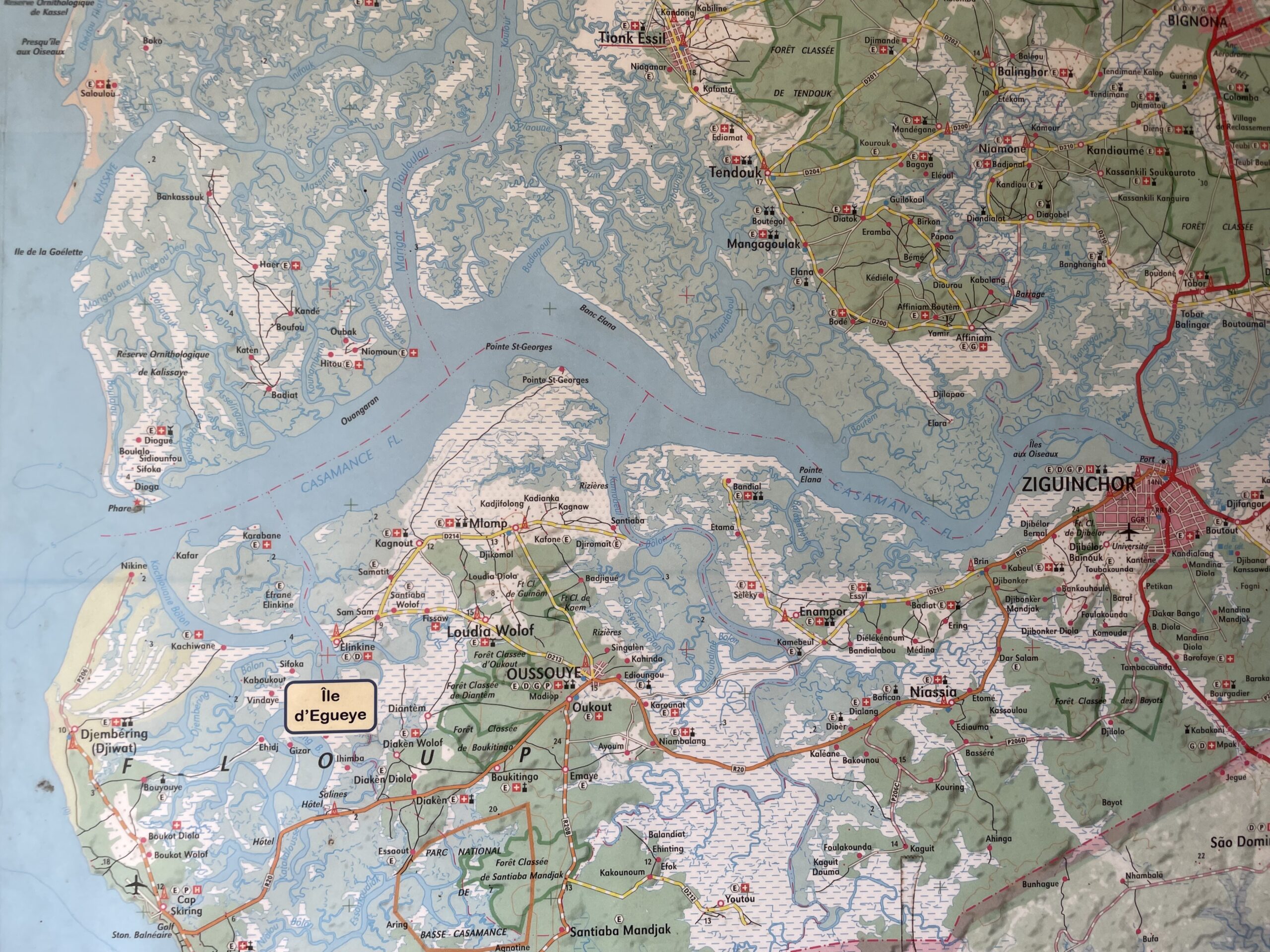
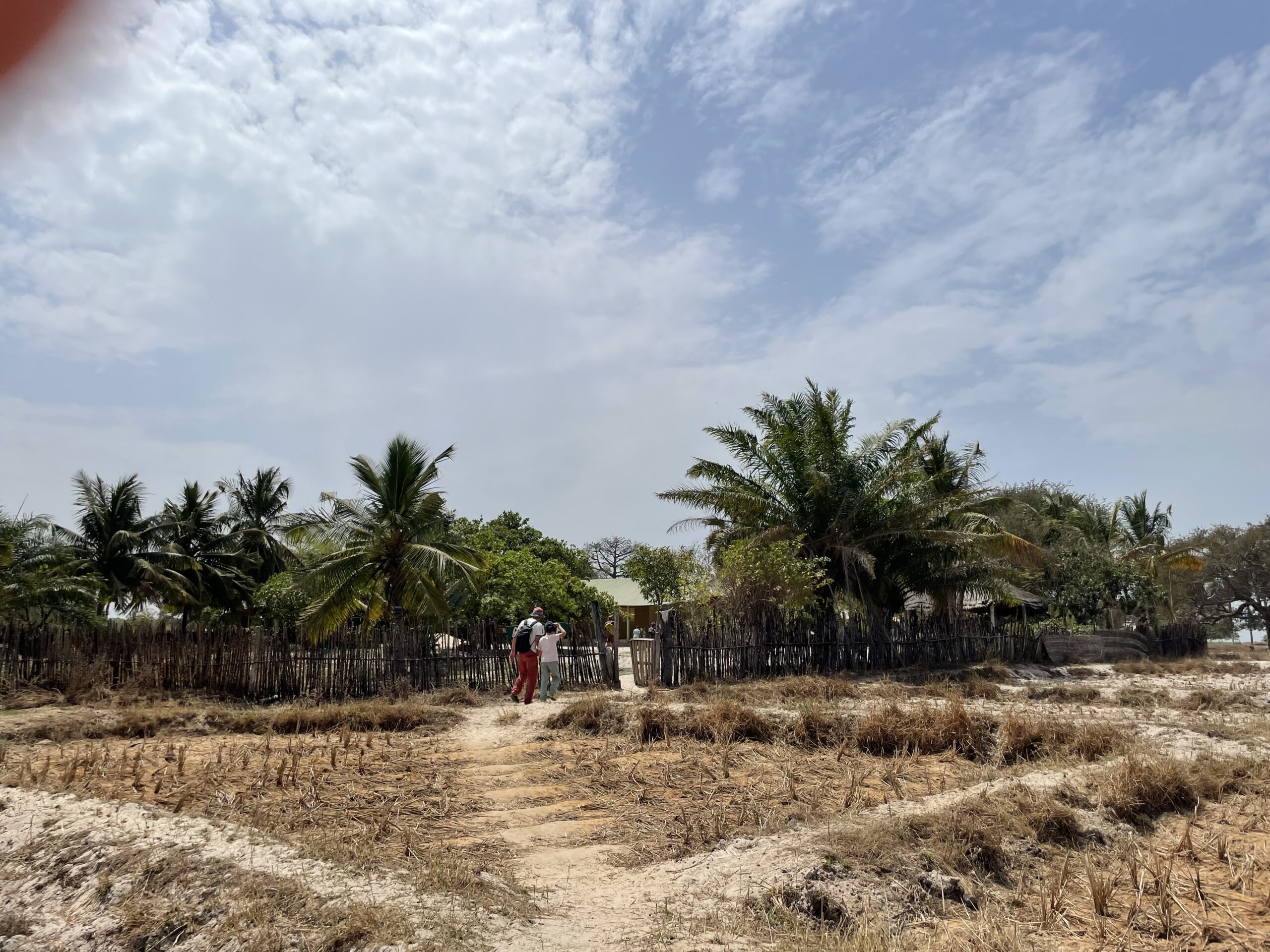
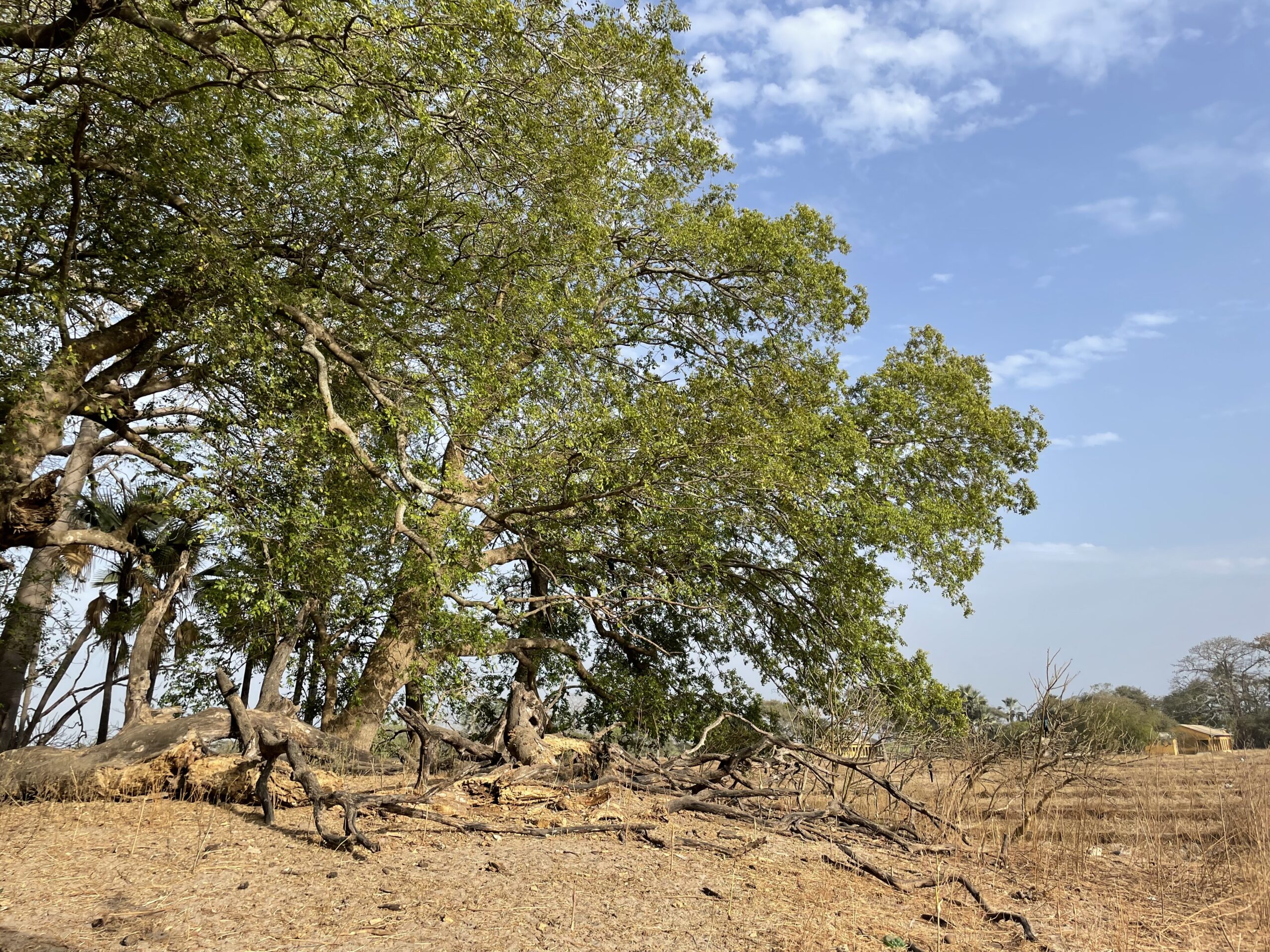
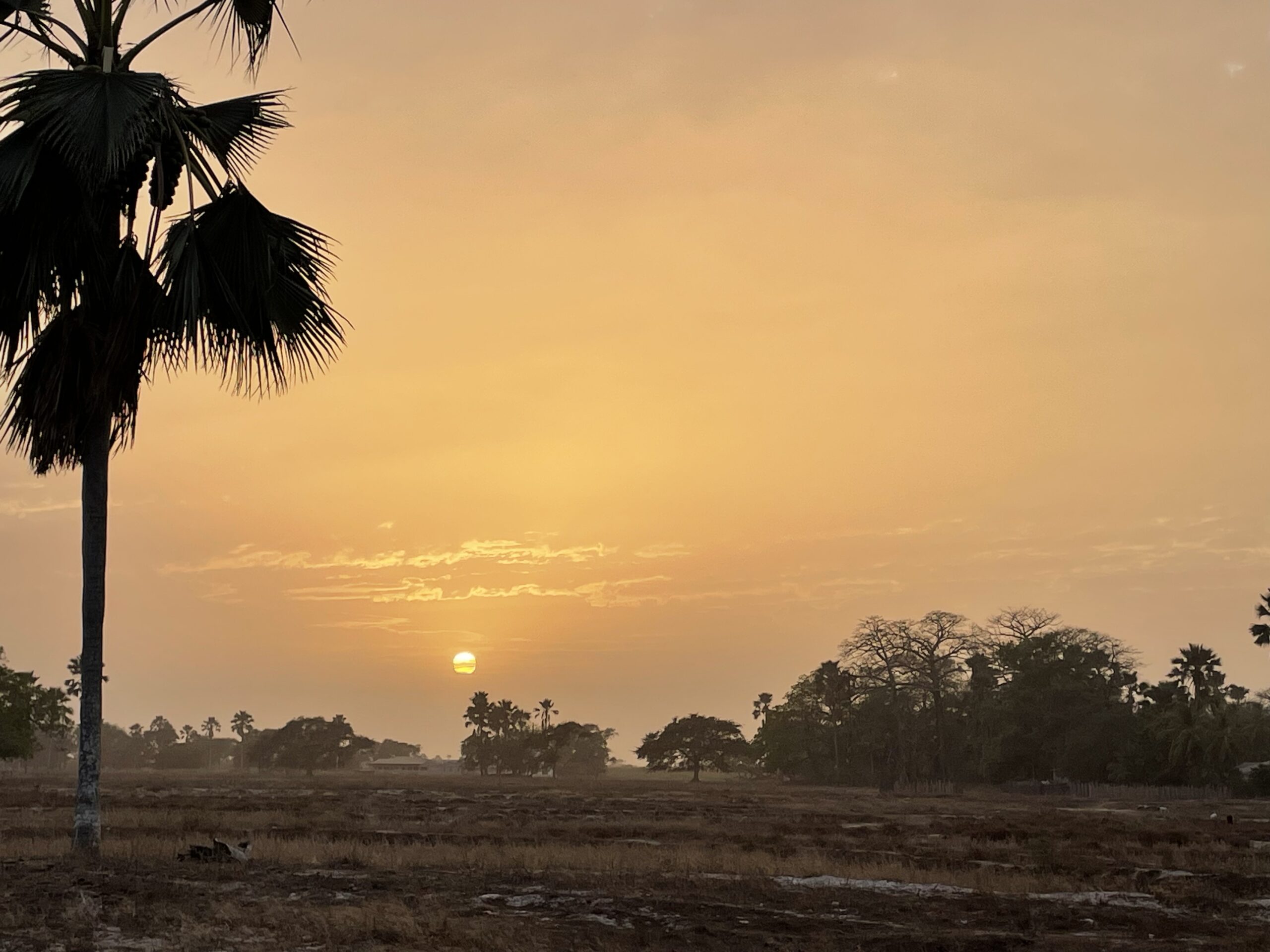
Zwei Autos, ein ruhiger Morgen, viel Zeit vor uns. Ruedi und Ouly sind dabei. Die Strasse führt uns zuerst nach Ziguinchor, später weiter nach Pointe St. Georges. Die Fahrt vergeht schneller als früher. Einige der grossen Schlaglöcher sind verschwunden, gefüllt worden seit dem letzten mal. Zwei Stunden nur noch – dann wird die Landschaft weiter, stiller, heller. Steppe breitet sich vor uns aus. Staubige Pisten, rote Erde, weite Horizonte.
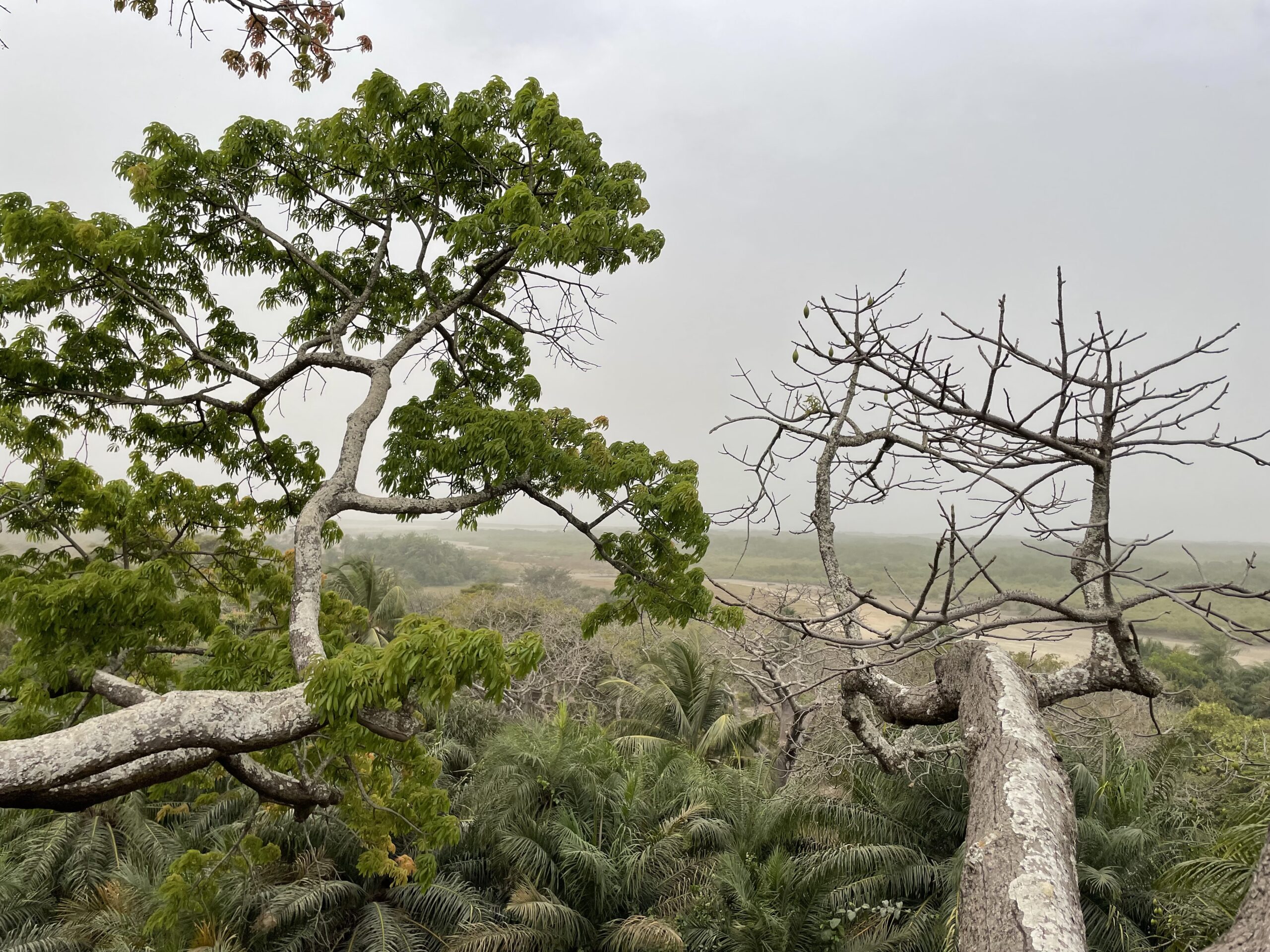
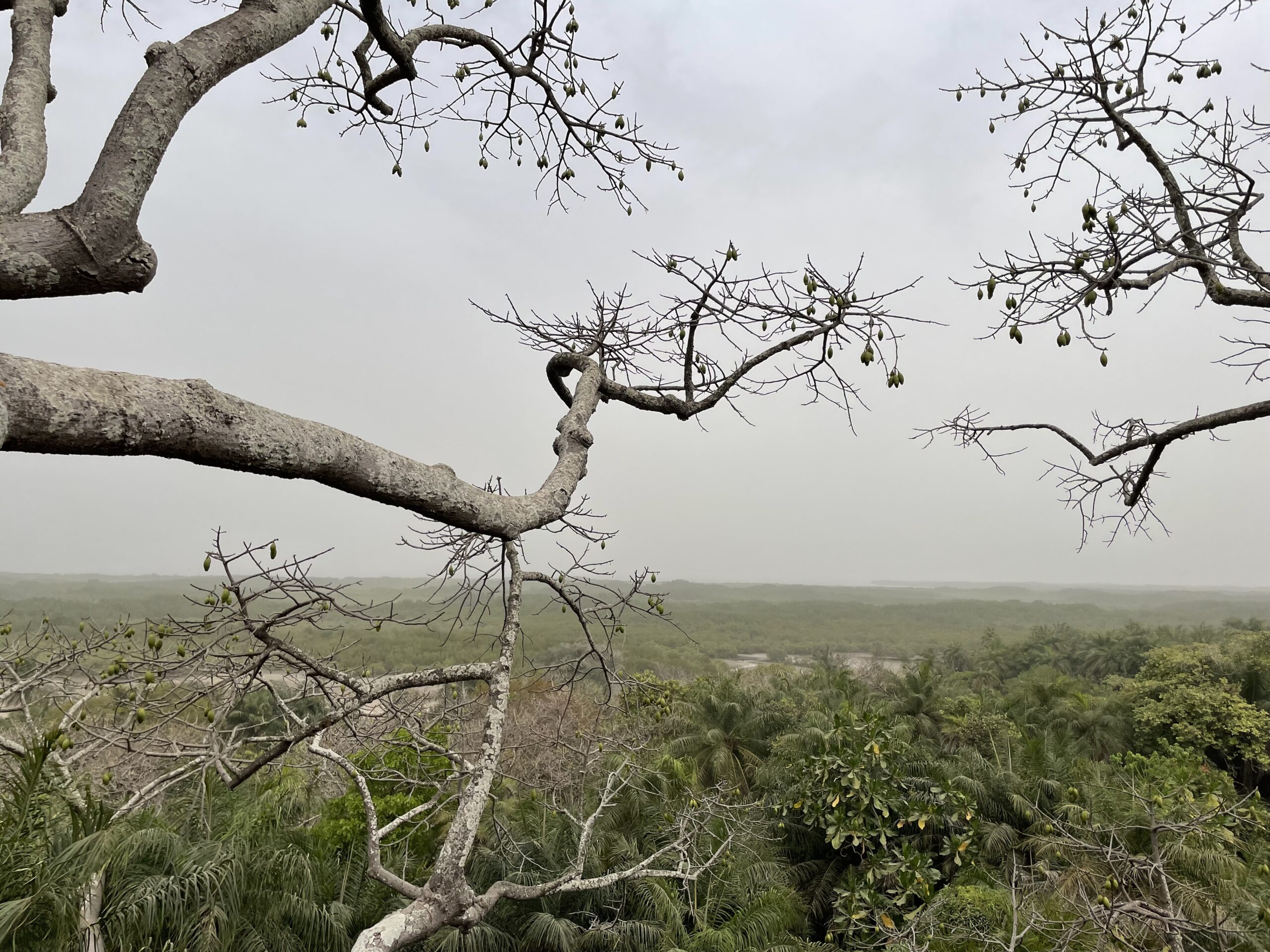
Dann taucht der Fluss auf – die Casamance.
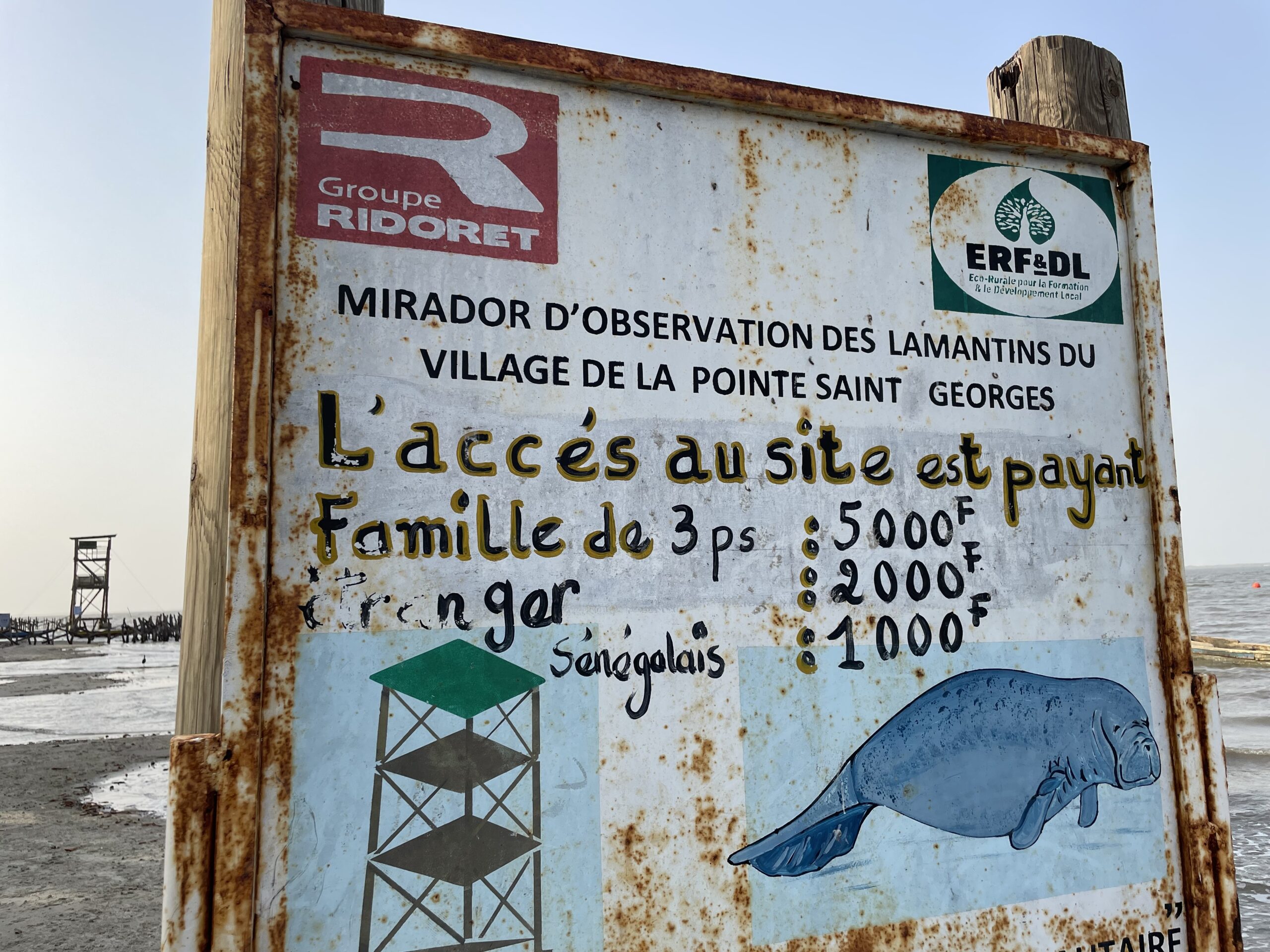
Hier lebt eine stille Welt unter der Wasseroberfläche. Manatis, die Seekühe, steigen manchmal langsam auf. Vom kleinen Aussichtsturm aus warten wir geduldig auf einen Atemzug, auf eine Bewegung im Fluss.
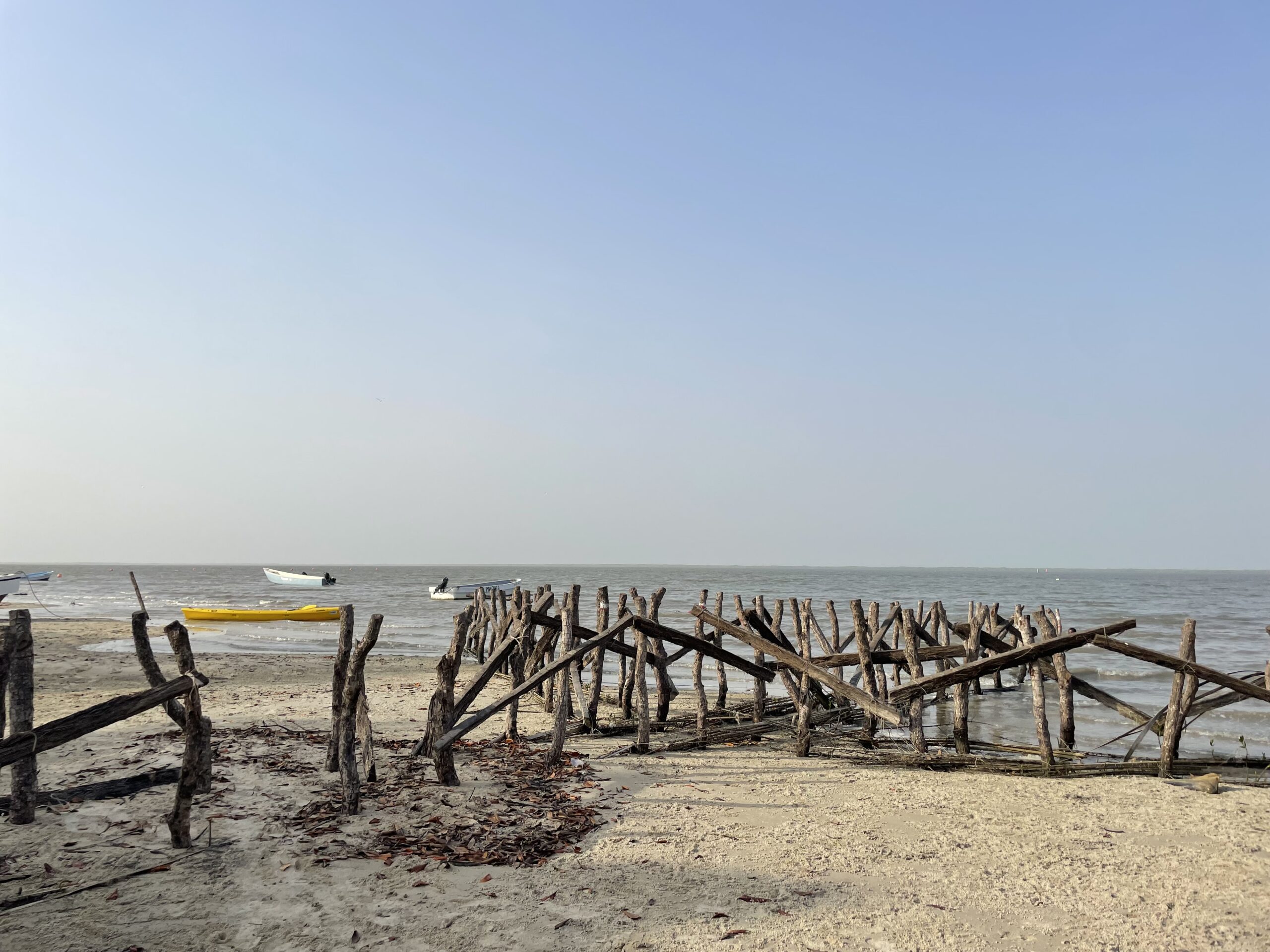
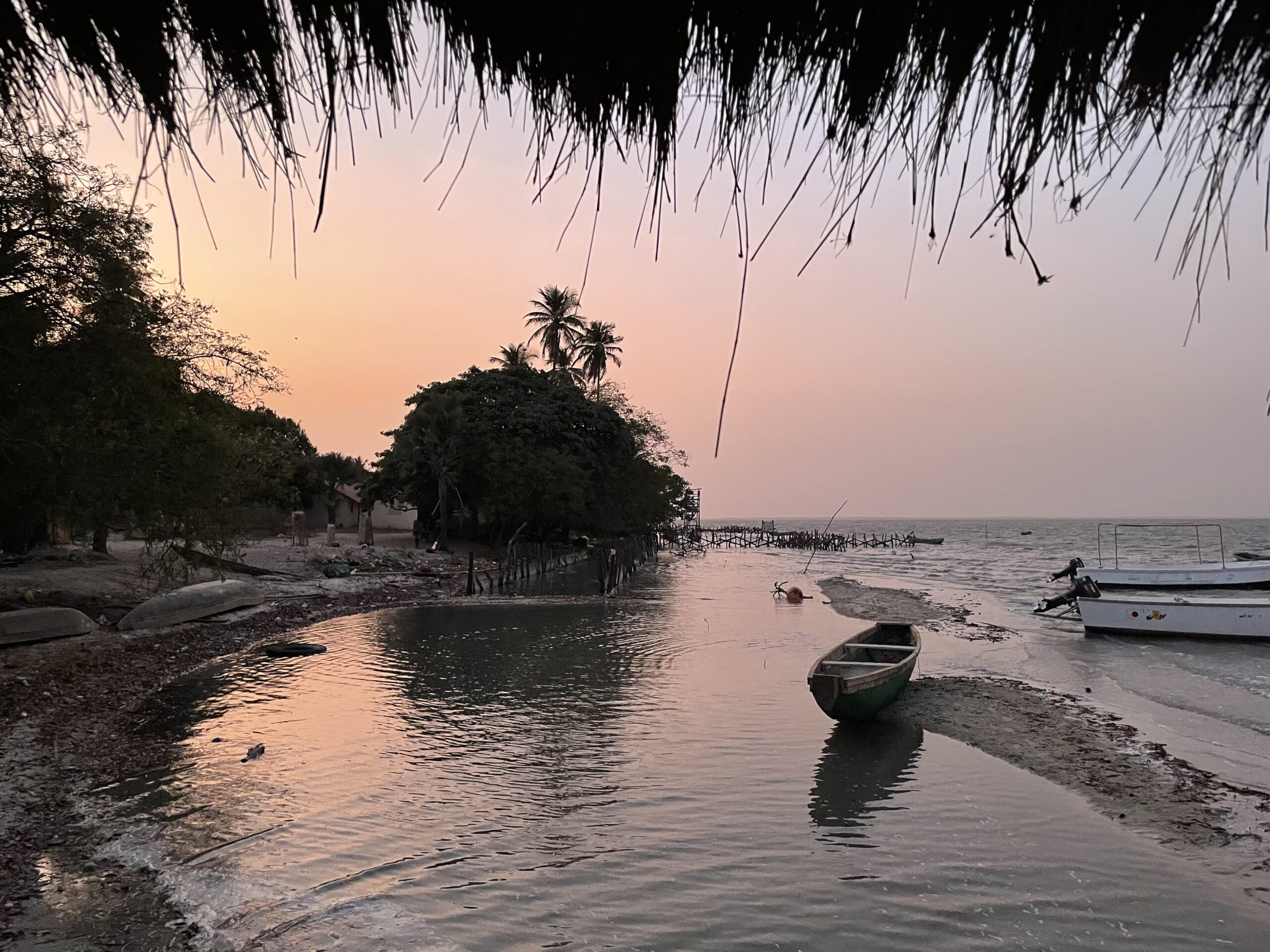
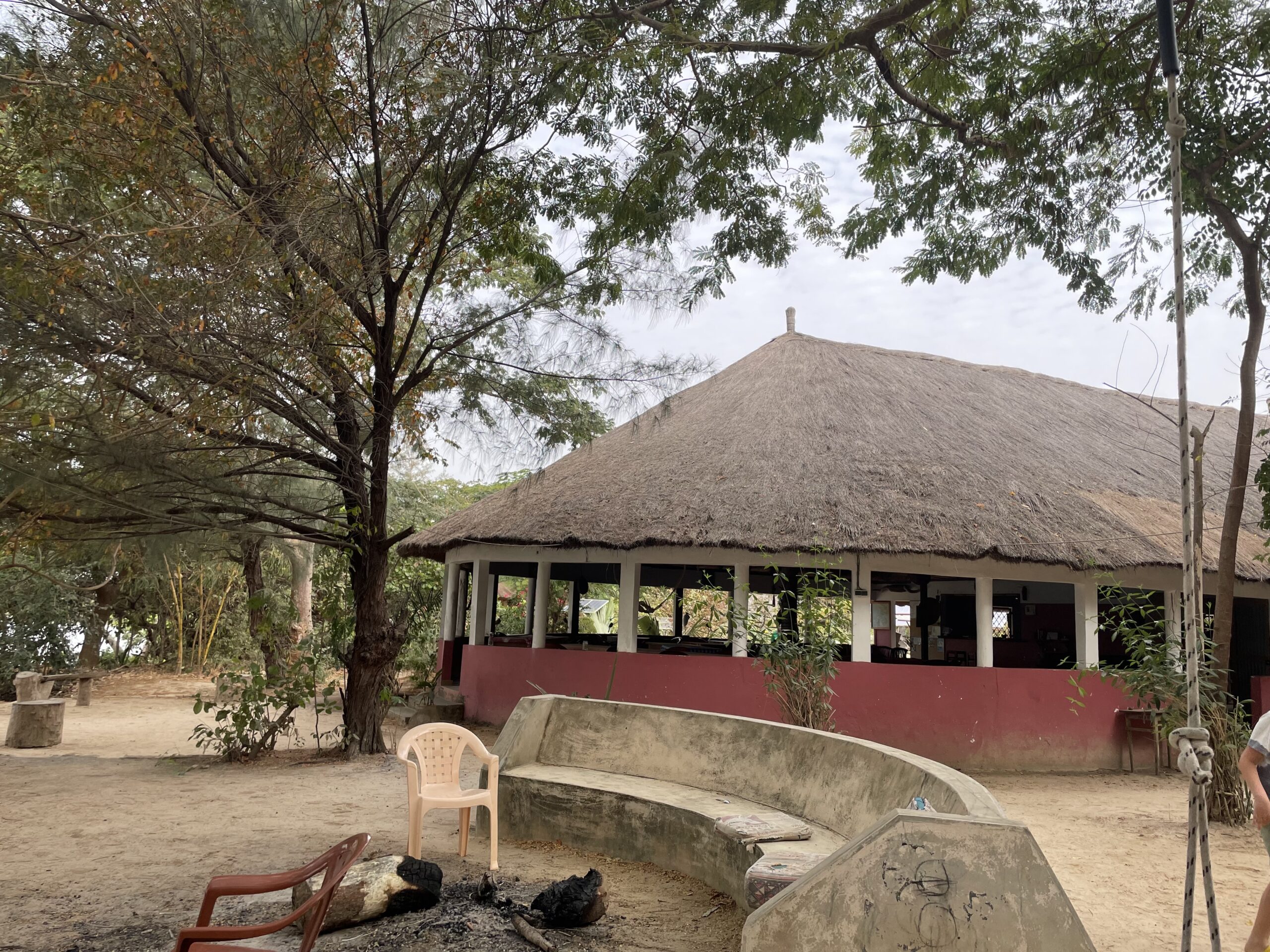
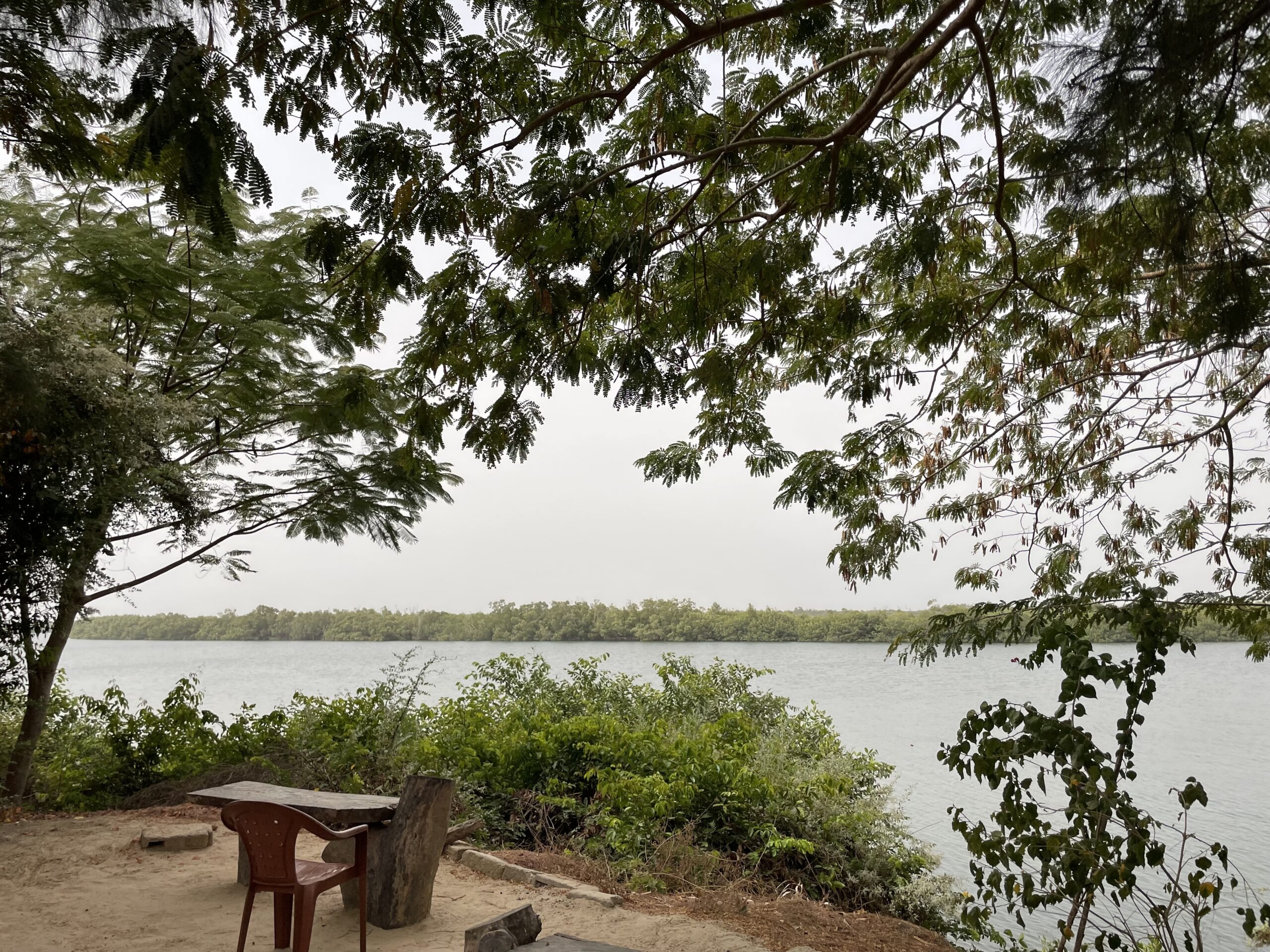
Unser Hotel ist schlicht. Ein paar Zimmer, eine grosse Terrasse über dem Wasser. Der Fluss schmeckt hier nach Salz und Gezeiten. Ebbe und Flut ziehen leise vorbei. In der Nacht hören wir nur das Wasser und den Wind. Keine Moscheen, keine krähenden Hähne – nur Ruhe.
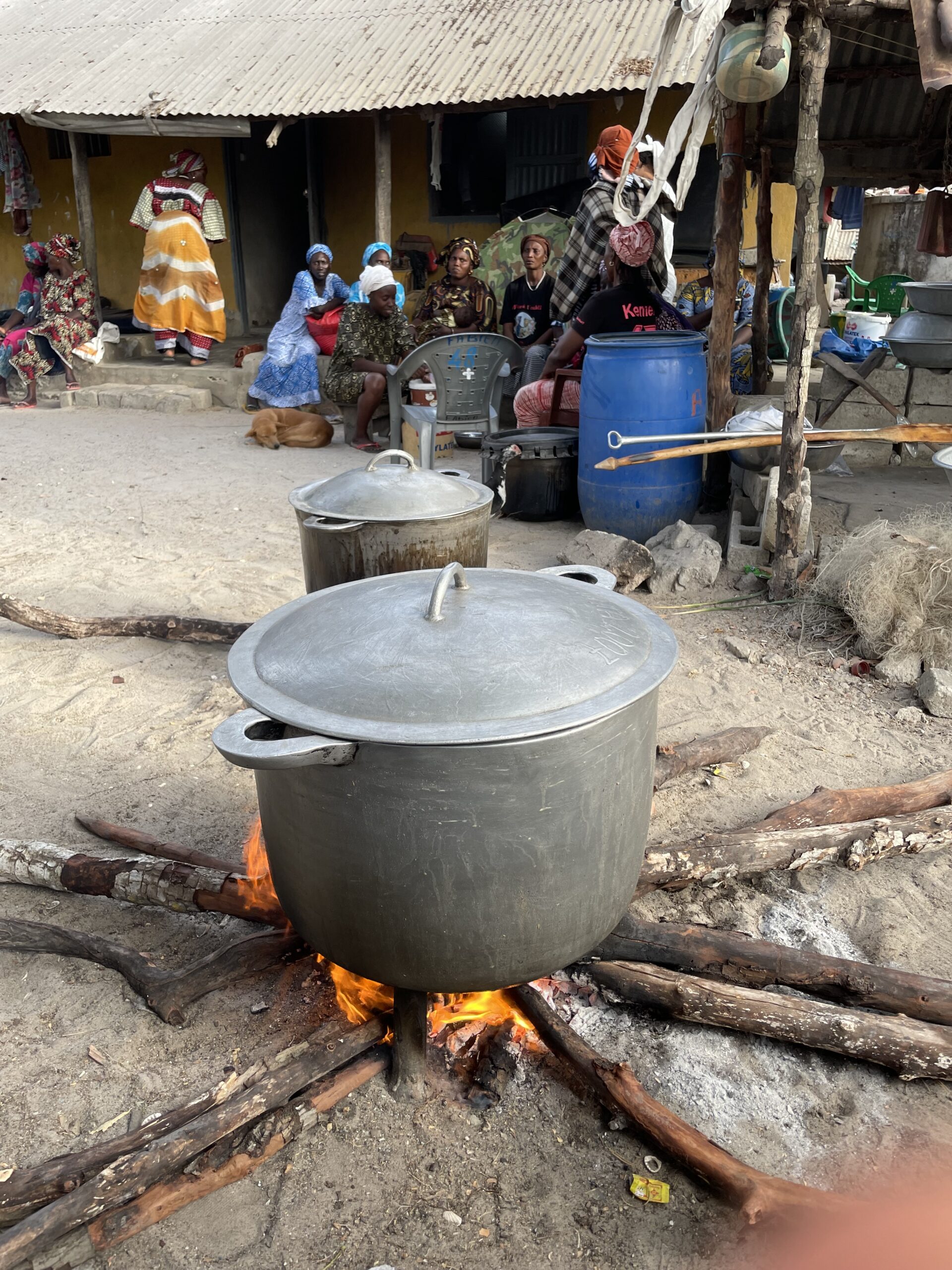
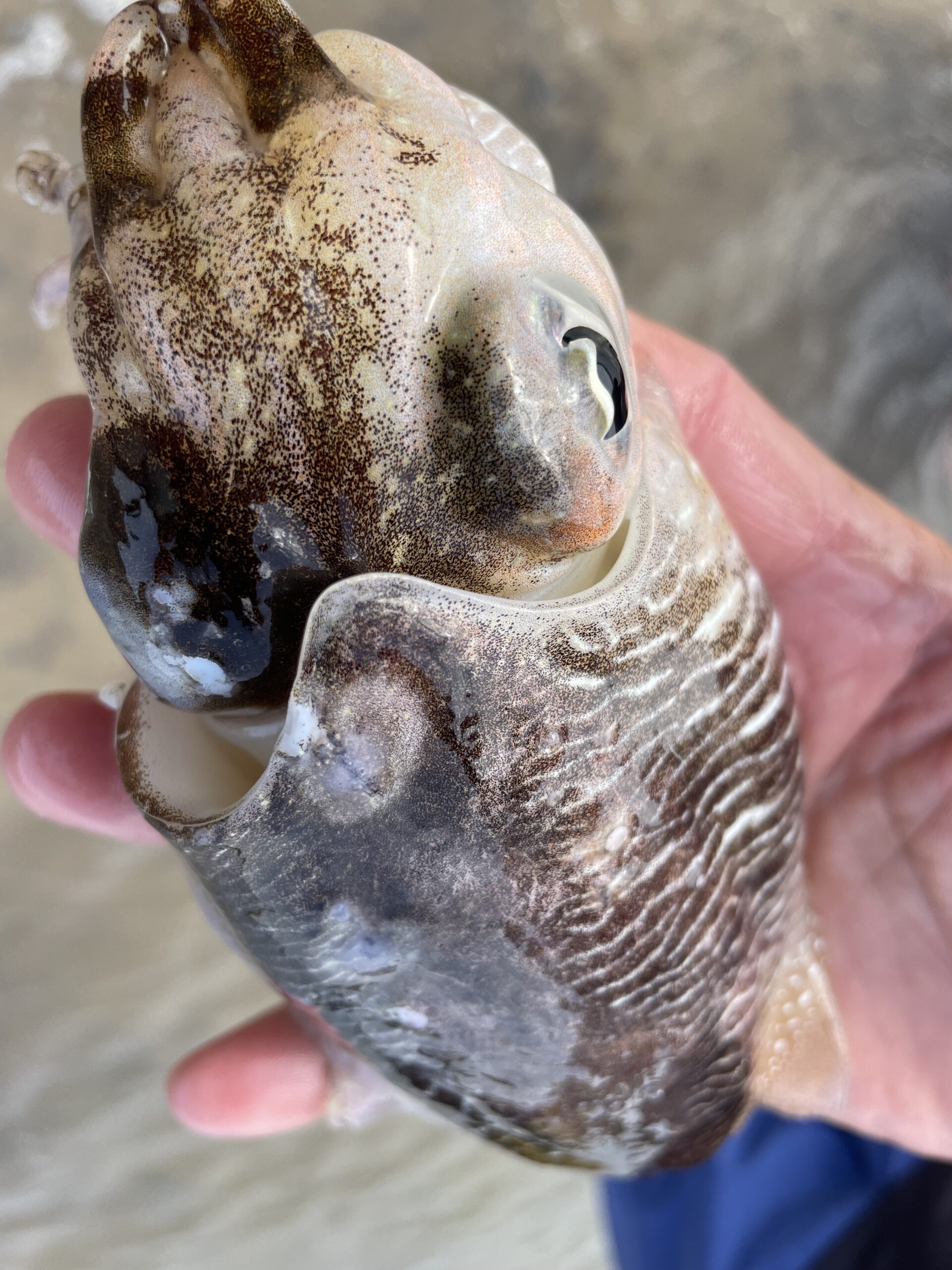
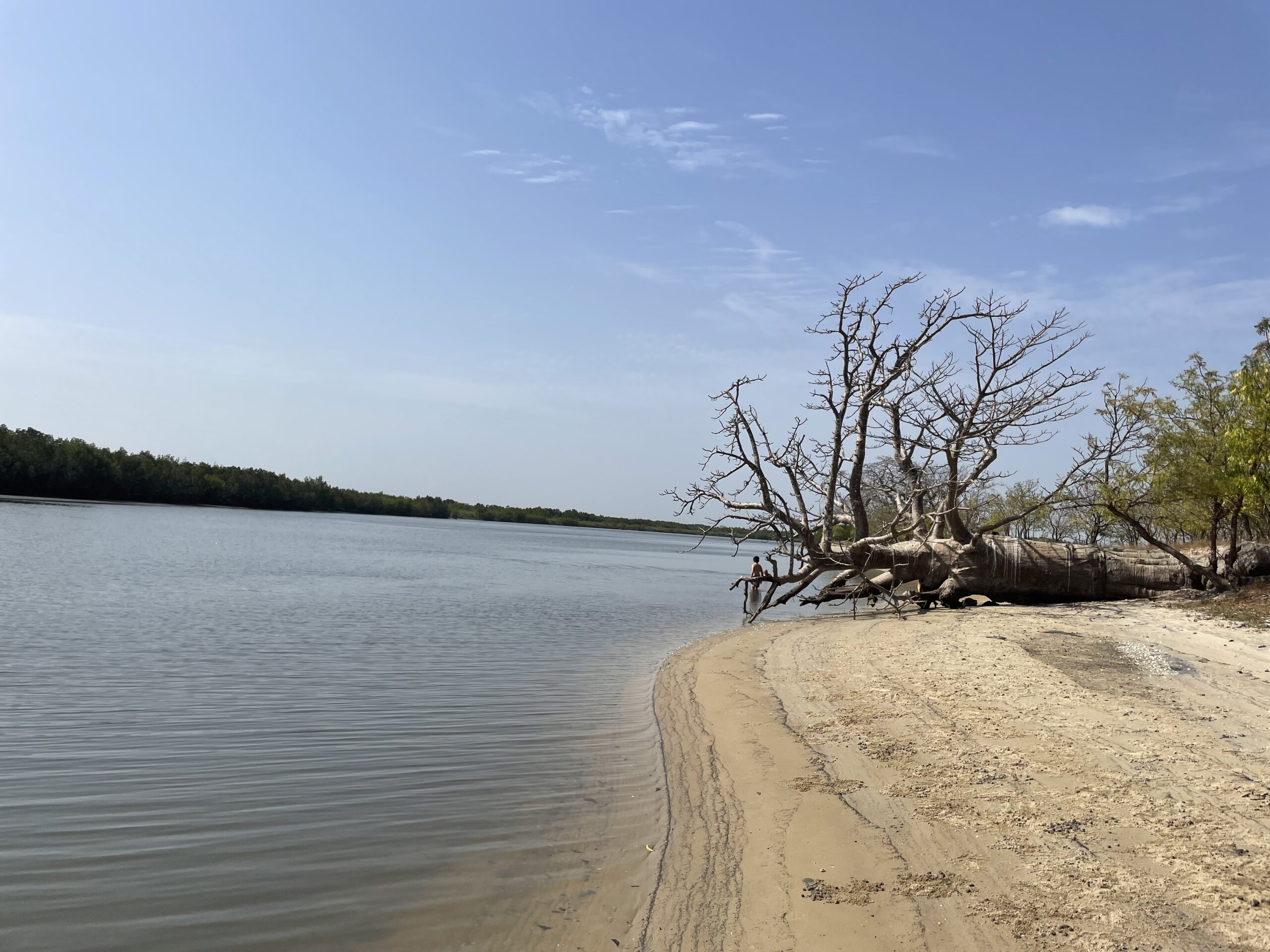
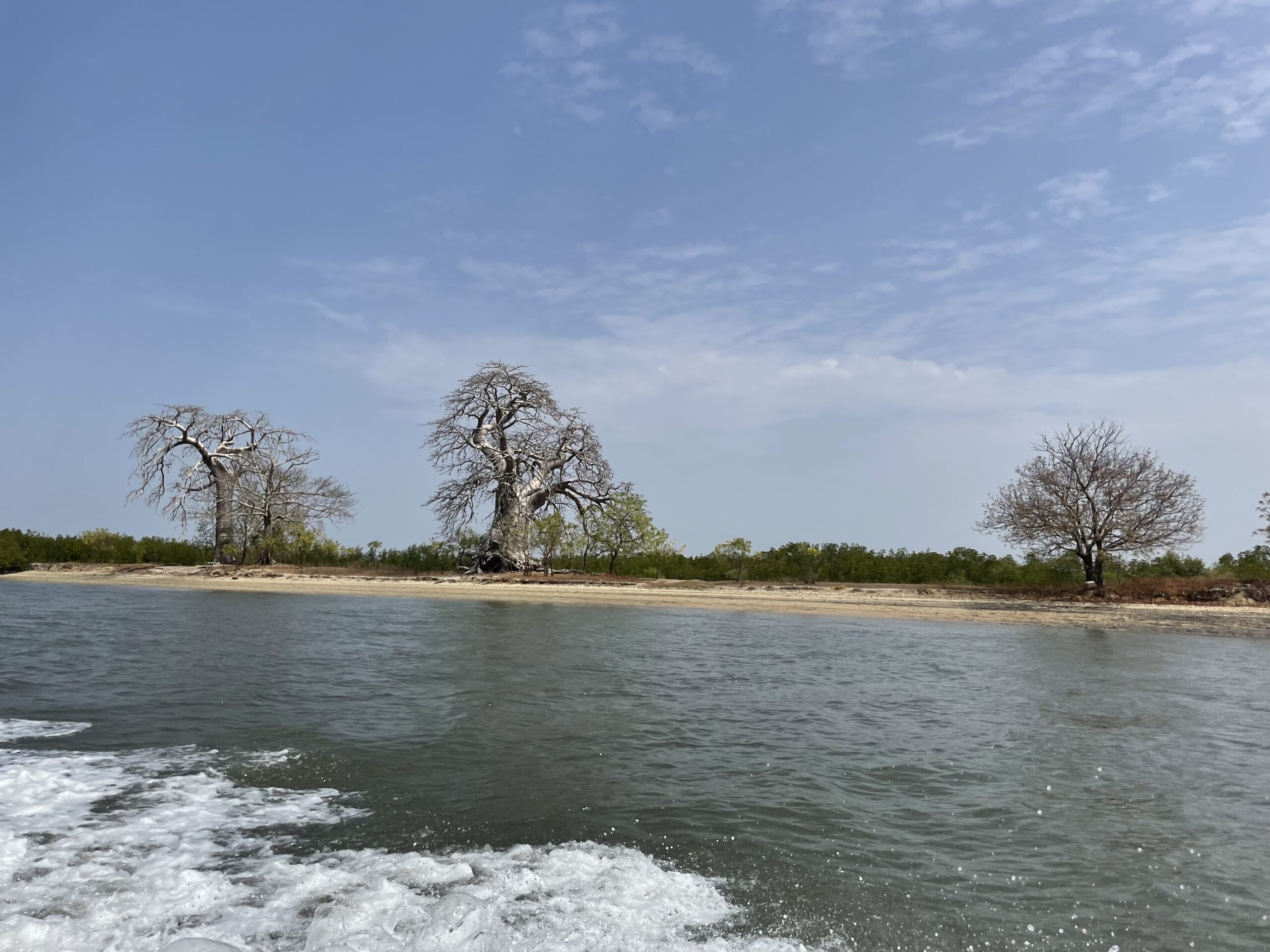
Am nächsten Morgen nehmen wir wenig mit. Ein Boot bringt uns hinaus, tief in die Mangroven. Zwischen Wurzeln und Wasser liegt eine Insel. Vier kleine Dörfer, etwa 1500 Menschen, viel Grün. Das Leben hier ist einfach und langsam. Der Fluss fliesst vorbei, die Luft riecht nach Salz und Holzrauch. Lolo findet einen toten Tintenfisch, daraus wird eine kleine Biologiestunde. Vorsichtig wird er geöffnet, betrachtet, bestaunt. Lernen kann überall stattfinden.
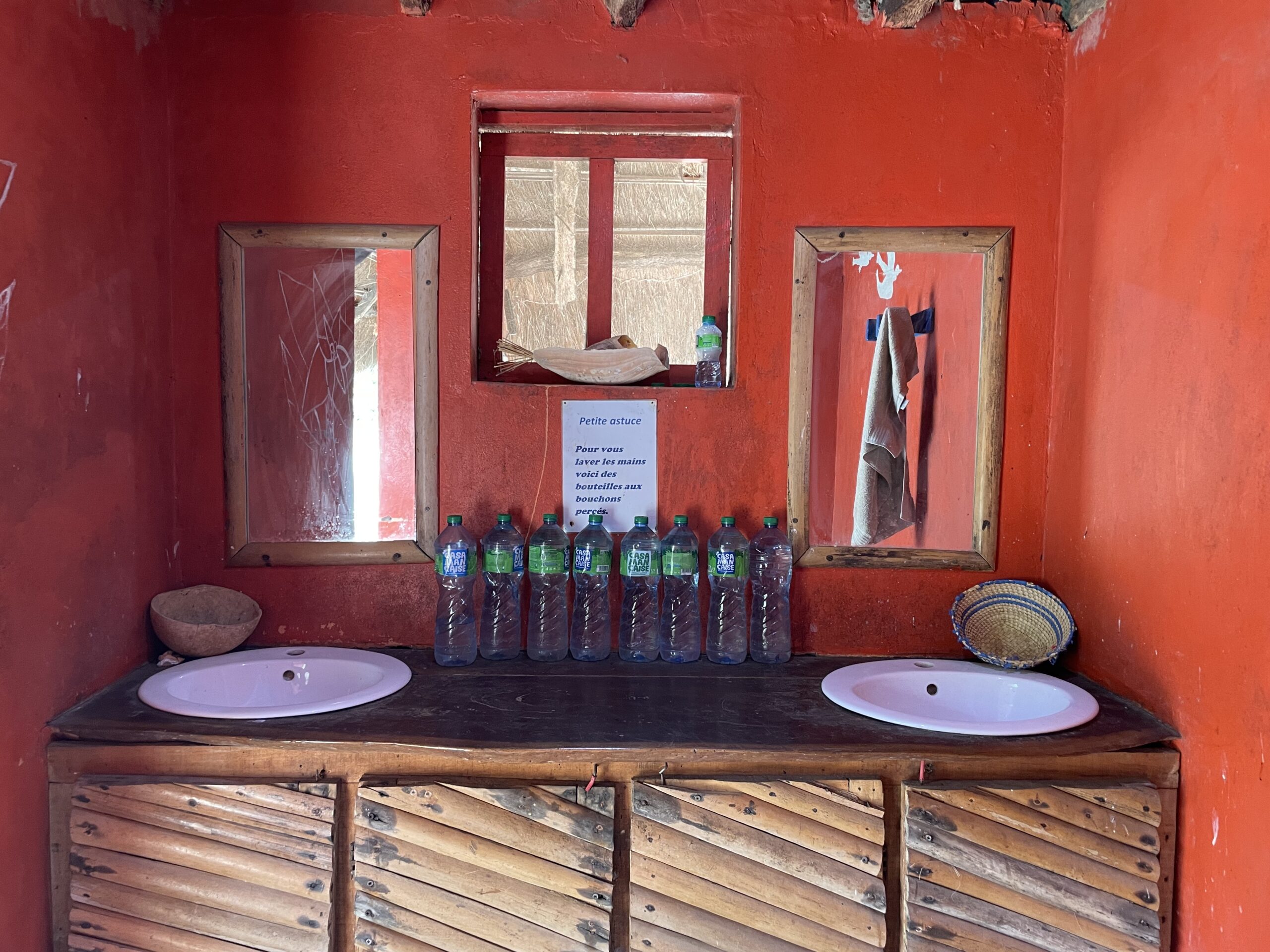
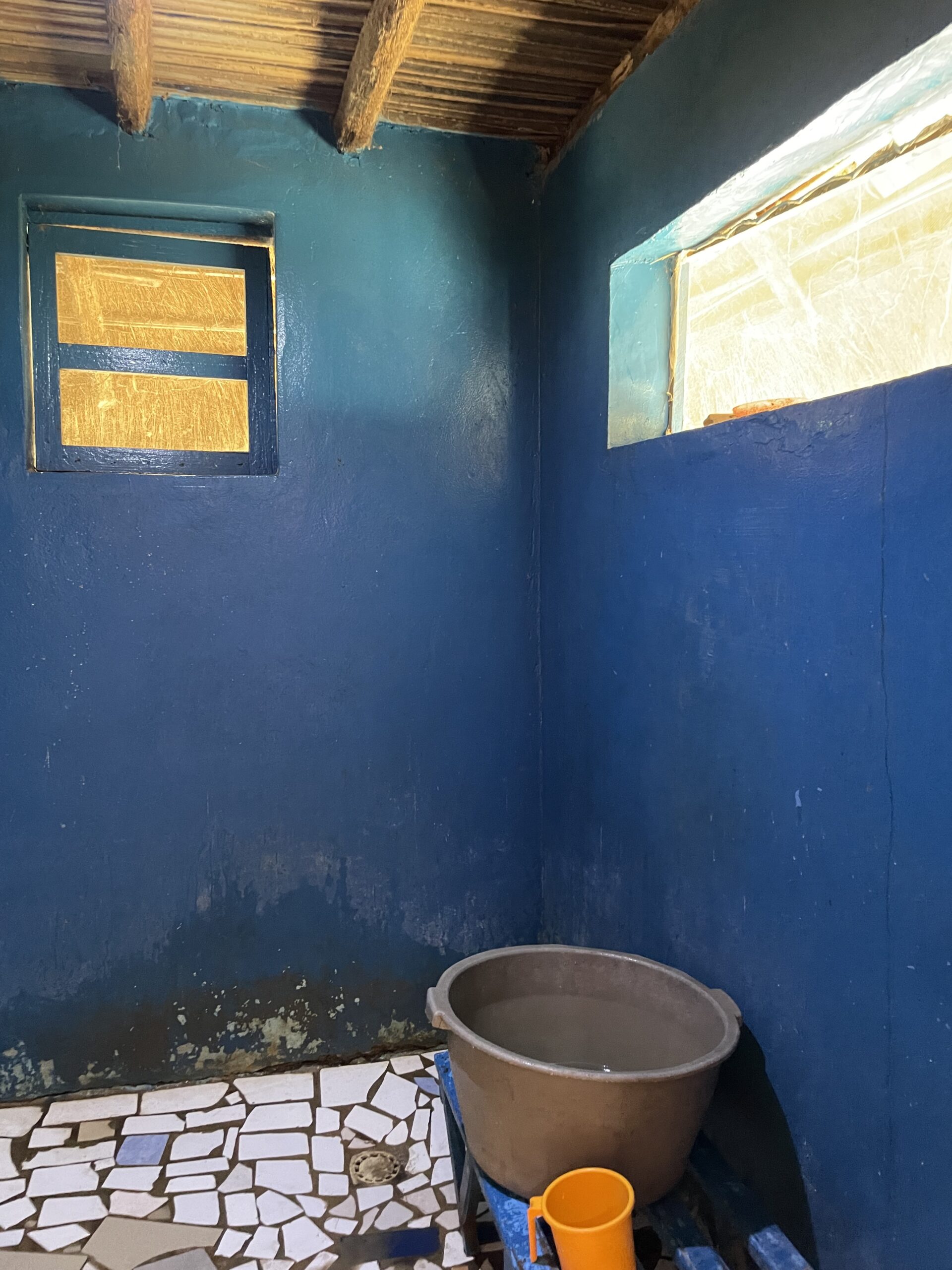
Julien liebt die Bucket Shower und das Schlafen in der Hängematte. Die Einfachheit des Compounds gefällt uns allen – das Wenige, genügt.
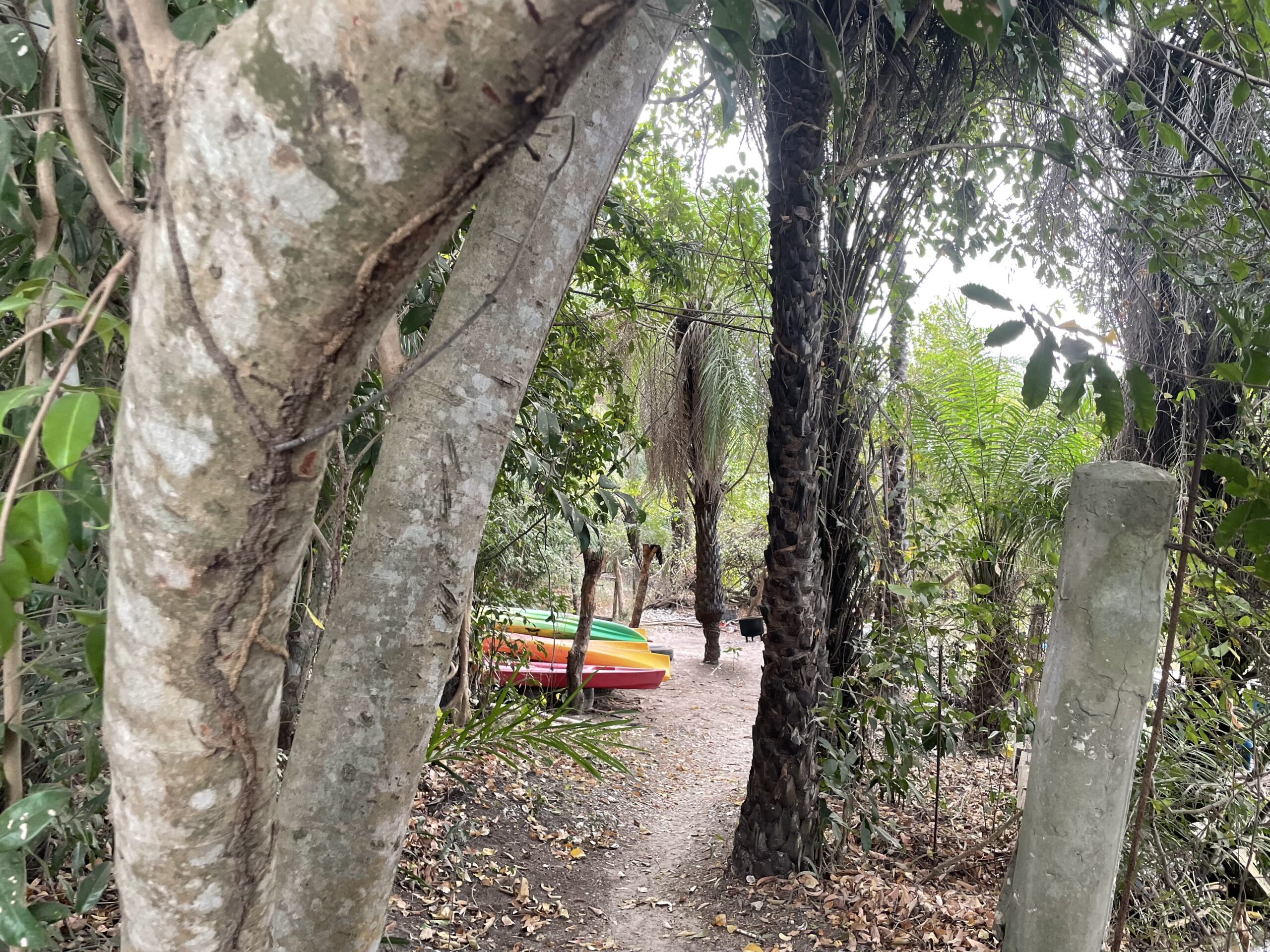
Einen Tag später ziehen wir weiter. Das Boot bringt uns zurück ans Festland, zu unseren Autos. Eine abenteuerliche Piste führt uns weiter durch Staub und Palmen. Wieder ein Boot, wieder Wasser unter uns. Diesmal erwartet uns eine andere Welt – eine Eco-Lodge, etwas luxuriöser, immer noch mitten in der Natur. Die neue Insel liegt tief inmitten der saftig grünen Mangroven. Das Wasser ist still, nur manchmal durchbrochen vom leisen Gleiten eines Bootes oder vom Ruf eines Vogels.
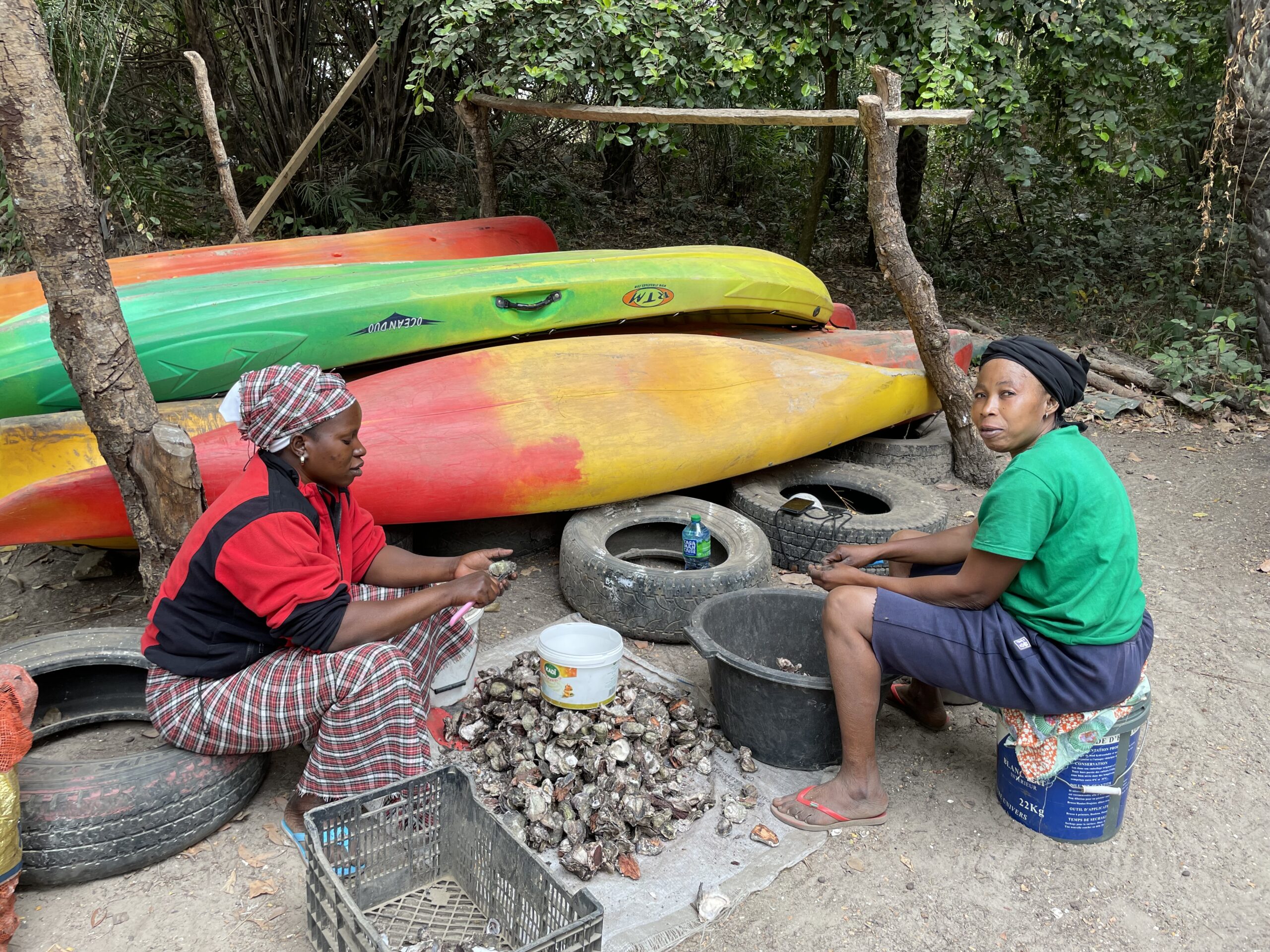
Ein kleiner Ausflug mit Kajaks bringt uns näher an das Leben des Flusses. Wir paddeln langsam zwischen den Wurzeln der Mangroven hindurch, ganz leise, fast schwebend. Hier leben auch Krokodile. Manchmal sehen wir nur eine Bewegung im Wasser, manchmal eines im Wasser verschwindet. Zur Mittagszeit brennt ein kleines Feuer. Darüber werden Austern gebraten, frisch aus dem Wasser geholt. Einfach, direkt, köstlich. Ein Festmahl mitten in den Mangroven. Die Lodge ist ruhig, fast versteckt. Überall sind Vögel – in den Bäumen, über dem Wasser ihr Rufen begleitet den Tag. Wir geniessen diese Ruhe.
Doch lange bleiben wir nicht stehen. Bald führt unser Weg noch weiter, tiefer hinein in das grüne Labyrinth der Mangroven. Zu einer Insel, auf der die Menschen noch sehr ursprünglich leben.
Davon – und von vielem mehr – erzählen wir beim nächsten Mal.
⸻
We drive south.
Two cars, a quiet morning, time stretching ahead of us. Ruedi and Ouly travel with us. The road first leads to Ziguinchor, then further to Pointe St. Georges. The journey feels shorter than before. Some of the worst potholes have been filled, and what once took almost a half day now takes only two hours. The landscape slowly opens up, savannah spreads wide and calm around us. Dusty tracks, red earth, long horizons.
Then the river appears – the Casamance. A silent world lives beneath its surface. Manatees rise slowly now and then. From a small observation tower we wait patiently for the small sign of life on the water. Our hotel is simple. A few rooms and a wide terrace above the river. The water tastes of salt and tides. At night we hear only wind and water. No mosques, no roosters greeting the morning.
The next day we take only the essentials. A boat carries us deep into the mangroves. Between roots and water lies an island. Four villages, about 1,500 people, and endless green. Life moves slowly here.The river flows past quietly, the air smells of salt and wood smoke. Lolo finds a dead squid, and suddenly there is a small biology lesson. Carefully opened, examined, discovered. Learning happens everywhere. Julien loves the bucket shower and sleeping in the hammock. The simplicity of the compound feels just right.
After a day we move on. The boat brings us back to the mainland and our cars. An adventurous track leads us further through dust and palms. Another boat, another crossing. This time we arrive at a beautiful eco-lodge, a little more luxurious, yet still surrounded by nature. The new island lies deep within lush green mangroves. The water is calm, sometimes disturbed only by the quiet glide of a boat or the call of birds. A small kayak trip brings us closer to the life of the river. We paddle slowly between the mangrove roots. Crocodiles live here too. Sometimes we see only a ripple in the water, sometimes we see them at the sandbanks. At midday a small fire is lit. Oysters are roasted above the flames, freshly taken from the water. Simple, direct, delicious. The lodge is peaceful, almost hidden. Birds are everywhere – in the trees, above the water, carried by the wind. We enjoy the quiet.
But we will not stay here long. Soon we travel deeper into the green labyrinth of the mangroves, towards another island where people still live in a very traditional way.
More about that – and many other stories – next time.
⸻
Nous roulons vers le sud.
Deux voitures, un matin tranquille, beaucoup de temps devant nous. Ruedi et Ouly voyagent avec nous. La route nous mène d’abord à Ziguinchor, puis plus loin à Pointe St. Georges. Le trajet semble plus court qu’autrefois. Certains des grands nids-de-poule ont disparu et ce qui prenait presque une journée entière ne demande plus que deux heures. Peu à peu, le paysage s’ouvre. La savane s’étend, vaste et paisible. Pistes rouges, poussière légère, horizons lointains.
Puis apparaît le fleuve Casamance.
Sous sa surface vit un monde silencieux. Parfois les lamantins remontent doucement respirer. Depuis une petite tour d’observation, nous observons l’eau avec patience. L’hôtel est simple. Quelques chambres et une grande terrasse au-dessus du fleuve. L’eau est salée, rythmée par les marées. La nuit, seuls le vent et l’eau nous accompagnent.
Le lendemain, nous partons légers. Une pirogue nous emmène au cœur des mangroves. Entre les racines et l’eau se trouve une île. Quatre villages, environ 1 500 habitants, et beaucoup de vert. La vie y est lente et simple. Le fleuve coule doucement, l’air sent le sel et la fumée de bois. Lolo trouve un calmar mort et une petite leçon de biologie commence. On observe, on découvre, on apprend.
Julien adore la bucket shower et dormir dans le hamac. La simplicité du compound nous plaît beaucoup.
Après un jour, nous repartons. Le bateau nous ramène vers les voitures. Une piste aventureuse nous mène plus loin, entre poussière et palmiers. Encore un bateau. Cette fois nous arrivons dans une magnifique éco-lodge, un peu plus luxueuse mais toujours entourée de nature. La nouvelle île se trouve au cœur des mangroves d’un vert profond. L’eau est calme, parfois troublée seulement par le passage silencieux d’une pirogue ou par le cri des oiseaux. Une excursion en kayak nous rapproche de la vie du fleuve. Nous pagayons doucement entre les racines des mangroves. Des crocodiles vivent ici aussi. Parfois nous apercevons un simple mouvement dans l’eau, parfois un qui ce mis dans l^leau. À midi, un petit feu est allumé. Des huîtres sont grillées au-dessus des flammes, fraîchement sorties de l’eau. Simple, mais délicieux. La lodge est paisible, presque cachée. Les oiseaux sont partout. Nous savourons ce calme.
Mais bientôt nous repartons, plus profondément dans le labyrinthe vert des mangroves, vers une autre île où les habitants vivent encore de manière très traditionnelle.
De cela – et de bien d’autres choses – nous vous parlerons la prochaine fois.