⸻
Eigentlich sitze ich da und will einen neuen Beitrag zu unserem Ausflug nach Gambia schreiben. Ein paar Notizen, ein paar Bilder im Kopf. Doch es kommt anders. Denn hinter uns liegt gerade eine Begegnung, auf die man gut hätte verzichten können.
Schon im Vorfeld hören wir immer wieder von Einbrüchen, die sich in dieser Gegend häufen. Ein französischer Ex-Militär, der seit vielen Jahren hier lebt, erklärt uns, dass mit dem schwindenden Fischfang auch die Arbeit verschwindet. Perspektiven werden weniger, Spannungen nehmen zu, und die Kriminalität ist heute deutlich spürbarer als noch vor ein paar Jahren.
Trotzdem rechnen wir nicht damit, selbst so direkt betroffen zu sein. Und doch geschieht es. In einer Nachtaktion wird in unseren Compound eingebrochen. Zwei der drei Häuser sind betroffen.
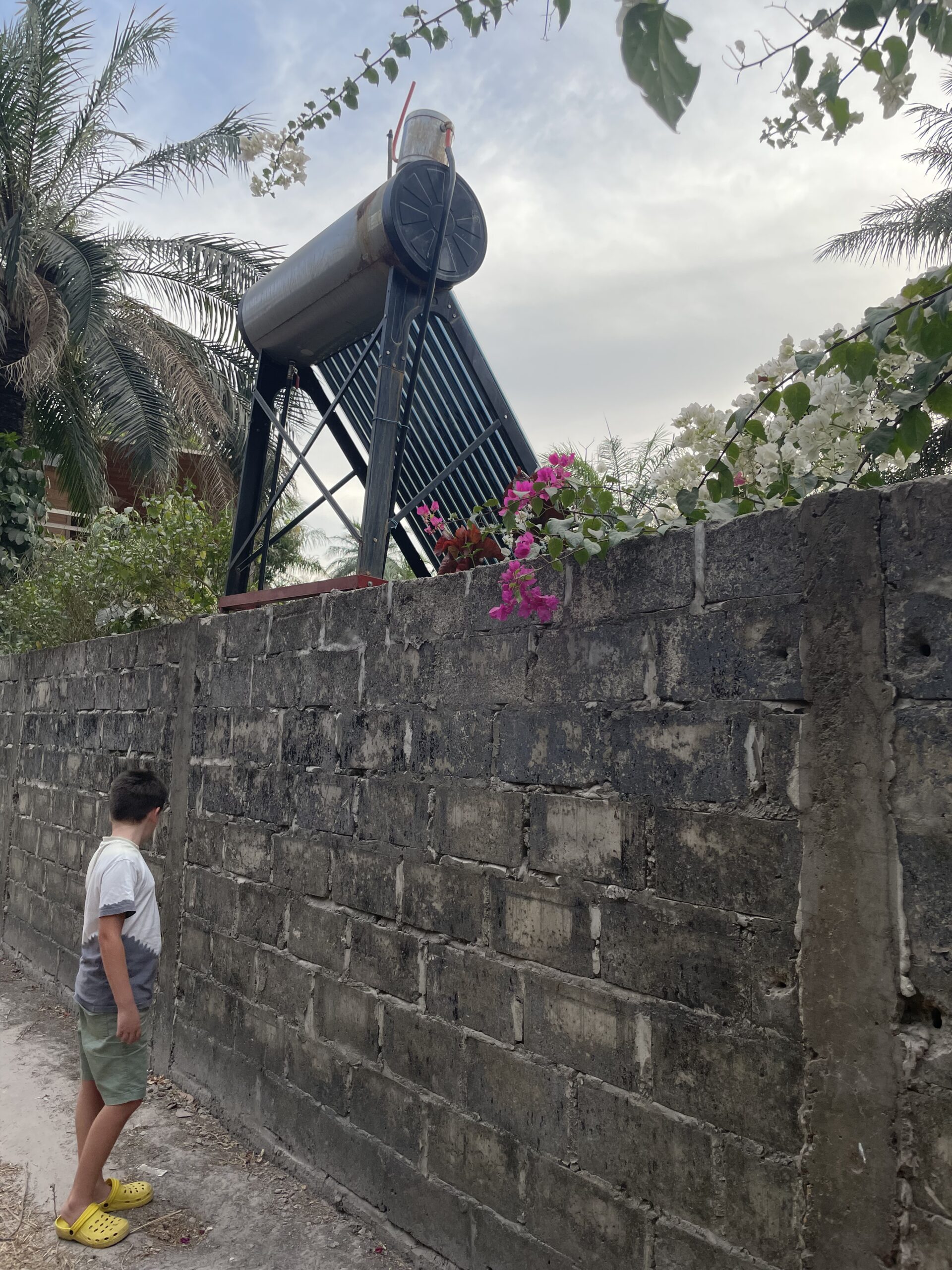
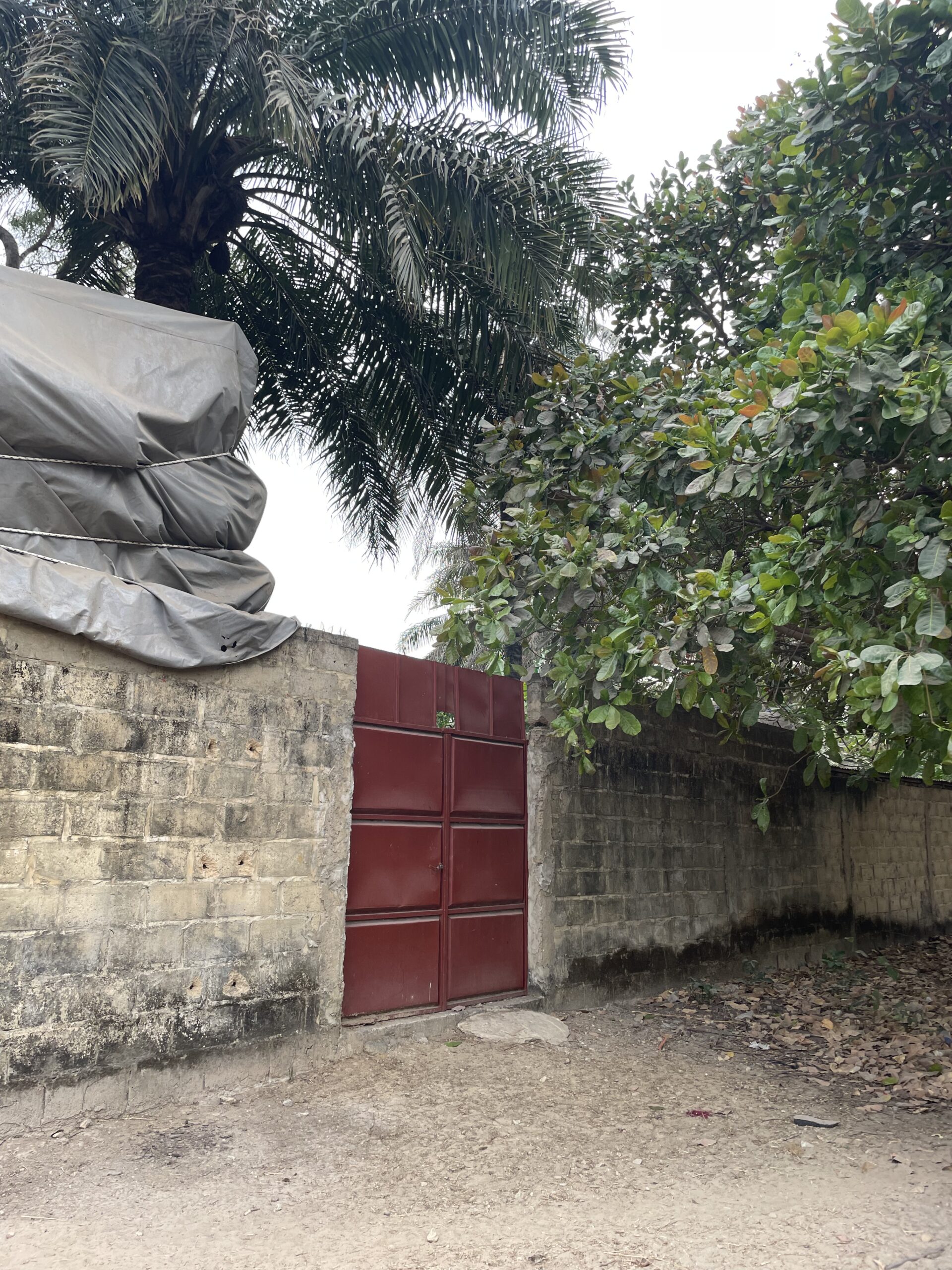
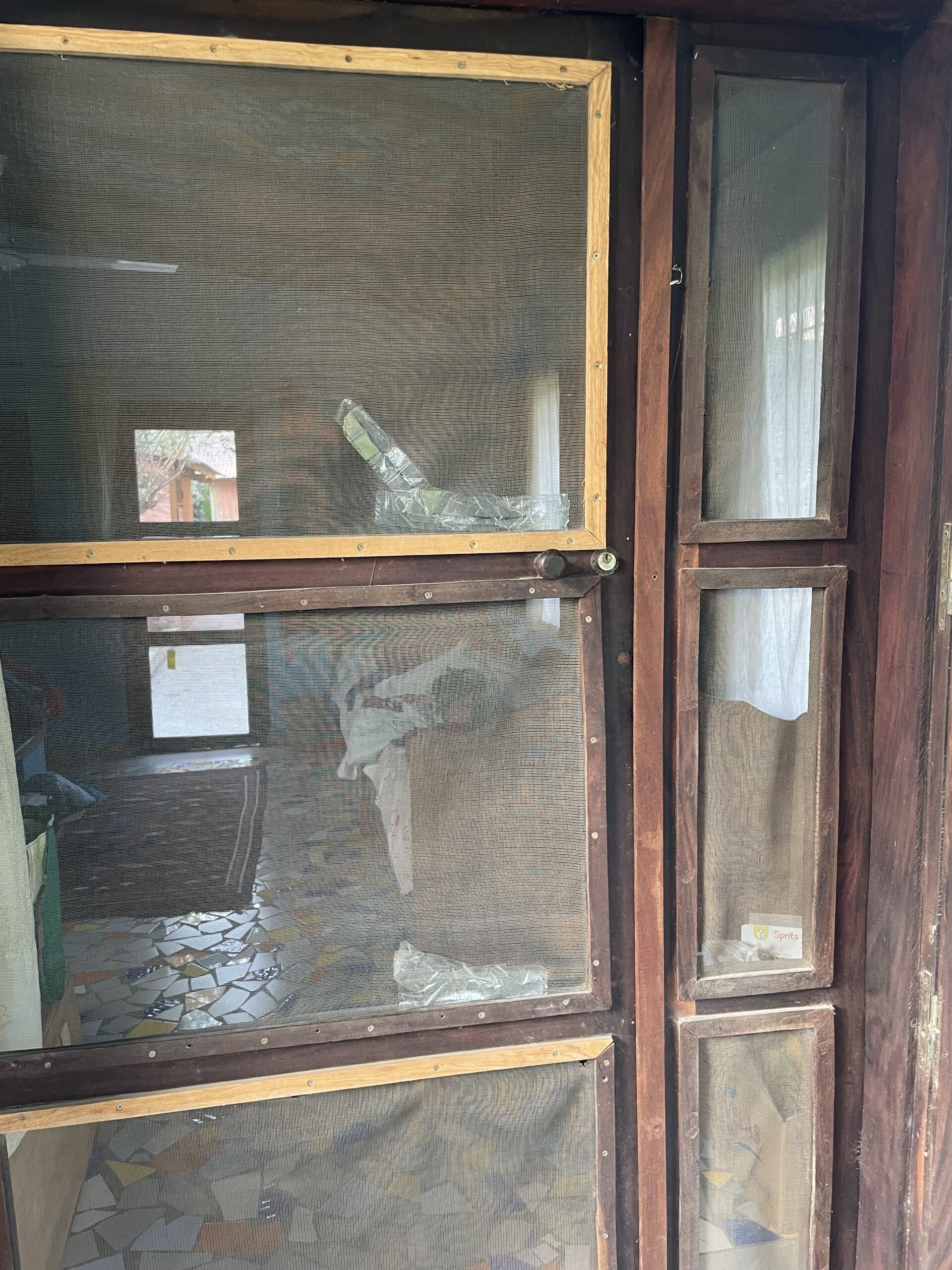
Mitten in der Nacht steigen vermutlich mehrere Diebe über eine Stelle in der Mauer ein, wo erst kürzlich Pflanzen gerodet wurden. Sie schneiden Moskitonetze auf, öffnen von innen die abgeschlossenen Türen und bewegen sich leise durch die Räume. Danach wird alles durchsucht, nichts ausgelassen.
Nichts bleibt verschont. Bargeld verschwindet, ebenso Telefone, AirPods und das Laptop, das auf einer Ablage am Kopfteil des Bettes liegt. Zum Glück bleiben die E-Readers unbeachtet. Die Kamera liegt offen herum, wird aber nicht mitgenommen. Auch das kleine Tablet bleibt zurück.
Es ist ein seltsames Gefühl zu wissen, dass Fremde uns so nah gekommen sind. Dass sie Dinge mitgenommen haben, während wir schliefen. Und doch überwiegt die Dankbarkeit, dass niemand von uns körperlich angegriffen wird.
Nach dem ersten Schock schalten wir in den Handlungsmodus. Wir versuchen, die Telefone mithilfe des Tablets zu orten. Vergeblich. Alle Geräte sind auf Flugmodus gestellt – auch das wissen unsere unliebsamen Gäste offenbar.
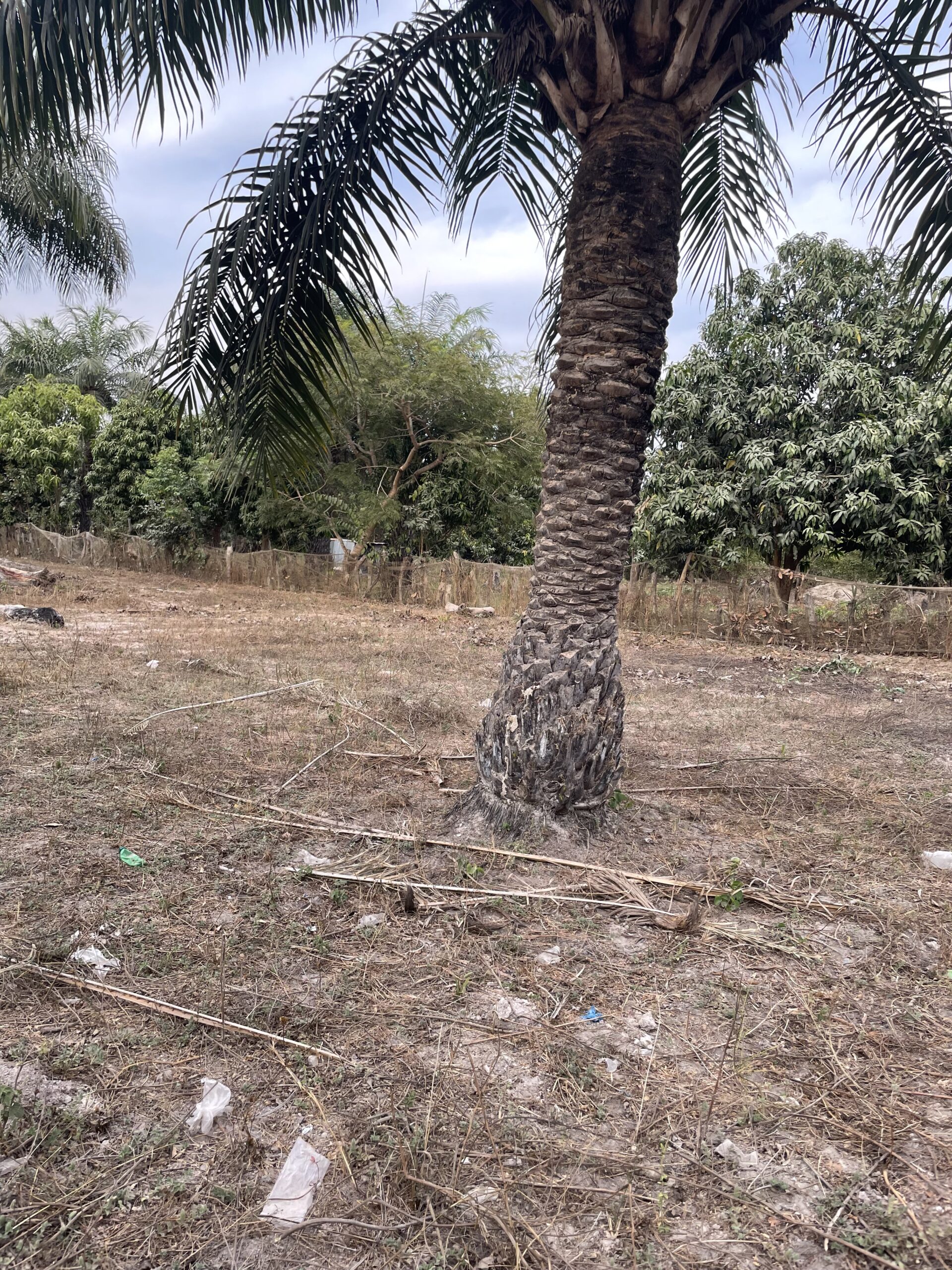
Am Morgen, mit dem ersten Licht, gehen wir eine Runde um unser Camp. Wo sind sie eingestiegen? Und dann – Erleichterung. Unter einer Palme, ein paar Meter entfernt, liegen mein Portemonnaie mit den Kreditkarten und unsere Pässen. Offenbar haben die Diebe die Dokumente nach dem Durchsuchen weggeworfen. Zum Glück.
Wir kontaktieren die Polizei. Zwei von uns fahren persönlich vorbei, denn Telefone haben wir keine mehr, und anrufen ist hier ohnehin nicht einfach. Kurz darauf stehen drei Polizisten im Camp, schauen sich alles ruhig an. Unsere Hoffnungen, etwas wiederzufinden, bleiben gering.
Die Tage danach fühlen sich zäh an. Kein Handy, kein Computer. Kein Internet, keine Nachrichten, keine schnellen Lösungen. Die externe Festplatte mit den Backups ist noch da, aber ohne Computer bleibt sie stumm.
Also fahren wir ins Städtchen. Auf der Suche nach neuen Telefonen und einem Laptop. Viele kleine Läden, verteilt über staubige Strassen. Erst nach einem ganzen Tag werden wir fündig. Vier neue Telefone, damit Ruedi, Ouly, Yann und ich wieder erreichbar sind. Dazu ein Laptop.
Langsam kehrt Struktur zurück. Konten, Kontakte, Passwörter. Zwei eSIM-Karten für die Schweiz und für Senegal. Backups, Wiederherstellungen. Es dauert fast eine Woche, bis wir das Gefühl haben, wieder halbwegs Ordnung im digitalen Chaos zu haben.
Schlafen ist schwierig. Jeder Laut weckt uns. Gedanken kreisen immer wieder um diese Nacht, um die Nähe, um das Wissen, dass jemand im Schlafzimmer stand.
Später stellen wir fest, dass auch Yanns AirPods fehlen. Doch es bleibt kompliziert. Niemand kann dingfest gemacht werden. Irgendwann taucht ein Signal in Gambia auf. Mindestens eines der Telefone ist offenbar dorthin gelangt.
All das führt dazu, dass wir rund zehn Tage länger hierbleiben als geplant. Zeit, um zu regeln, zu organisieren, wieder Boden unter den Füssen zu finden.
Und dann noch die Erkenntnis: In jener Nacht wären wir eigentlich gar nicht hier gewesen. Wäre da nicht kurz zuvor Juliens medizinisches Problem gewesen. Von dem – und von der kleinen Operation im Busch –und dem Besuch in Gambia erzählen wir beim nächsten Mal.
⸻
I sit down to write a new entry about our trip to Gambia. A few lines, a few memories. But the story takes a different turn. Behind us lies an encounter we could have done without.
Even before arriving, we hear about break-ins becoming more frequent in this area. A French former military officer who has lived here for many years tells us that as fish stocks decline, work disappears. Opportunities fade, tension grows, and crime is far more present than it was just a few years ago.
Still, we do not expect to be affected ourselves. Yet it happens. During a night-time operation, our compound is broken into. Two of the three houses are robbed.
In the middle of the night, several thieves likely climb in through a section of the wall where vegetation has recently been cleared. They cut through mosquito nets, unlock closed doors from the inside and move silently through the rooms. Everything is searched. Nothing is left untouched.
Nothing is spared. Cash disappears, as do phones and the laptop lying on a shelf at the head of the bed. Strangely, the e-readers are left untouched. The camera lies in plain sight but is not taken. The small tablet remains as well.
It is unsettling to know how close strangers came to us. That they moved through our space while we slept. And yet, above all, we are grateful that none of us is physically harmed.
After the first shock, we switch into action mode. We try to locate the phones using the tablet. No success. All devices have been put into flight mode – our unwelcome guests know this too.
At first light, we walk around the camp, still half asleep. And then relief. Under a palm tree, a short distance away, we find my wallet with the credit cards and the passports. The thieves have apparently discarded the documents after going through them. Luckily.
We contact the police. Two of us go there in person; we no longer have phones, and calling is not easy here anyway. Shortly after, three officers come to the camp and inspect the situation. Our hopes of recovering anything remain low.
The days that follow feel heavy. No phone, no computer, no internet, no messages, no quick solutions. The external hard drive with the backups is still there, but without a computer it remains silent.
So we head into town. Searching for new phones and a laptop. Many small shops, scattered along dusty streets. Only after a full day do we succeed. Four new phones, so Ruedi, Ouly, Yann and I are reachable again. And a laptop.
Slowly, structure returns. Accounts, contacts, passwords. Two eSIMs for Switzerland and Senegal. Backups restored. Almost a week passes before we feel that some order has returned to the digital chaos.
Sleeping is difficult. Every sound wakes us. Thoughts return again and again to that night, to the closeness, to the knowledge that someone stood in our bedroom.
Later, we realise that Yann’s AirPods are missing too. But it remains complicated. No one is identified. Eventually, a signal appears in Gambia. At least one device has clearly travelled on.
All of this keeps us here about ten days longer than planned. Time to organise, to deal with paperwork, to regain our footing.
And the realisation: we would not even have been here that night. If it were not for Julien’s medical issue shortly before. That story – and the small bush operation and the trip to Gambia – will have to wait for another post.
⸻
Je m’assieds pour écrire un nouvel article sur notre excursion en Gambie. Quelques phrases, quelques souvenirs. Mais le récit prend une autre direction. Derrière nous se trouve une rencontre dont nous nous serions bien passés.
Avant même notre arrivée, nous entendons parler de cambriolages de plus en plus fréquents dans la région. Un ancien militaire français, installé ici depuis de nombreuses années, nous explique qu’avec la diminution des ressources halieutiques, le travail disparaît. Les perspectives se réduisent, les tensions augmentent, et la criminalité est aujourd’hui bien plus présente qu’il y a quelques années.
Malgré cela, nous ne pensons pas être touchés nous-mêmes. Et pourtant. Une nuit, notre compound est cambriolé. Deux des trois maisons sont concernées.
Au cœur de la nuit, plusieurs voleurs entrent probablement par une section du mur récemment dégagée. Ils découpent des moustiquaires, déverrouillent les portes de l’intérieur et se déplacent silencieusement dans les pièces. Tout est fouillé. Rien n’est laissé au hasard.
Tout n’est pas épargné. De l’argent disparaît, ainsi que les telephones et l’ordinateur portable posé sur une étagère à la tête du lit. Étrangement, les e-readers sont laissées intactes. L’appareil photo est bien visible, mais n’est pas emporté. La petite tablette reste également sur place.
Il est troublant de savoir à quel point des inconnus se sont approchés de nous. De penser qu’ils ont traversé notre espace pendant notre sommeil. Et pourtant, par-dessus tout, nous ressentons de la gratitude : personne n’a été agressé physiquement.
Après le premier choc, nous passons en mode action. Nous essayons de localiser les téléphones à l’aide de la tablette. En vain. Tous les appareils sont en mode avion – nos visiteurs indésirables le savent aussi.
À l’aube, nous faisons le tour du camp, encore un peu engourdis. Et puis le soulagement. Sous un palmier, à quelques mètres de là, nous retrouvons mon portefeuille avec les cartes de crédit et les passeports. Les voleurs ont visiblement jeté les documents après les avoir examinés. Heureusement.
Nous contactons la police. Deux d’entre nous s’y rendent en personne, car nous n’avons plus de téléphones et appeler n’est de toute façon pas simple ici. Dans l’après-midi, trois policiers viennent au camp et examinent calmement la situation. Nos espoirs de retrouver quoi que ce soit restent faibles.
Les jours suivants sont lourds. Plus de téléphone, plus d’ordinateur. Pas d’internet, pas de messages, pas de solutions rapides. Le disque dur externe contenant les sauvegardes est toujours là, mais sans ordinateur, il reste muet.
Nous partons donc en ville. À la recherche de nouveaux téléphones et d’un ordinateur portable. De nombreux petits magasins, le long de routes poussiéreuses. Ce n’est qu’après une journée entière que nous trouvons enfin ce qu’il nous faut. Quatre nouveaux téléphones, pour que Ruedi, Ouly, Yann et moi soyons à nouveau joignables. Et un ordinateur portable.
Peu à peu, une structure revient. Comptes, contacts, mots de passe. Deux eSIM pour la Suisse et le Sénégal. Restauration des sauvegardes. Presque une semaine passe avant que nous ayons l’impression de remettre un peu d’ordre dans le chaos numérique.
Dormir est difficile. Le moindre bruit nous réveille. Les pensées reviennent sans cesse à cette nuit, à cette proximité, à cette présence dans la chambre.
Plus tard, nous réalisons que les AirPods de Yann ont également disparu. Mais tout reste compliqué. Personne n’est identifié. Puis, un signal apparaît en Gambie. Au moins un des appareils a clairement poursuivi sa route.
Tout cela nous retient ici environ dix jours de plus que prévu. Le temps de régler, d’organiser, de retrouver un certain équilibre.
Et puis cette prise de conscience : cette nuit-là, nous n’aurions même pas dû être ici. Sans le problème médical de Julien, survenu peu avant. Cette histoire – et la petite opération dans la brousse et la Gambie – attendra le prochain épisode.
⸻